
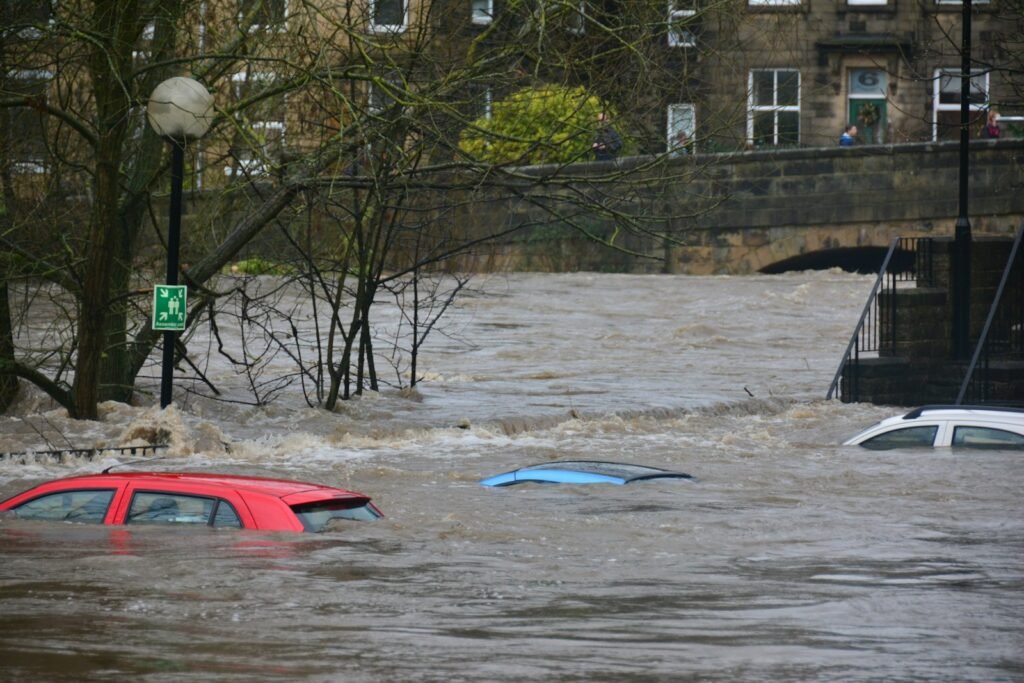
If you own a home in Savannah, you already know the drill. A summer thunderstorm parks itself over Chatham County, the tide happens to be high, and suddenly streets in Ardsley Park or near the Ogeechee look more like canals. Between the Savannah River, the marsh, tropical systems, and plain old heavy rain, flooding here isn’t a maybe. It’s a when.
What most homeowners don’t know is that they have a choice in how they insure against it. For decades, the National Flood Insurance Program (NFIP) was essentially the only game in town. Today, the private flood insurance market is active in Georgia, and for a lot of Savannah properties, it’s cheaper. Sometimes dramatically so.
But not always. So let’s break down how flood insurance rates in Savannah, GA actually work, compare the two options honestly, and help you figure out which one deserves your premium dollars.

First things first: your homeowners policy won’t help
Quick but important reminder. Standard homeowners insurance does not cover flood damage. Not from storm surge, not from an overflowing river, not from rainwater rising into your house. If water comes up from the ground and gets in, you need a separate flood insurance policy. That’s true whether you live in a high-risk flood zone on Tybee Island or a so-called low-risk area in Pooler or Georgetown.
How NFIP flood insurance rates work in Savannah
The NFIP is the federal flood insurance program run by FEMA. Most policies are sold through familiar insurance companies, but the coverage and pricing are set by the government. A few years back, FEMA overhauled its pricing with a system called Risk Rating 2.0, and it changed the math for a lot of Savannah homeowners.
Under the old system, your rate mostly came down to your FEMA flood zone. Now, the NFIP prices each property individually based on things like distance to the river or coast, your foundation type, your first-floor height, the cost to rebuild your home, and even the claims history of your area. Two neighbors on the same street in Midtown can pay very different premiums.
Roughly $800–$1,000+ per yearThat’s the typical range for NFIP flood insurance in Savannah, with the statewide Georgia average sitting just over $1,000. Older homes near the water and properties with past claims often pay considerably more.
A few other NFIP realities worth knowing:
- Coverage caps. The NFIP maxes out at $250,000 for your home’s structure and $100,000 for contents. If rebuilding your house would cost more than that, and in many Savannah neighborhoods it would, you’d be left covering the gap yourself.
- The 18% glide path. Federal law caps most annual increases at 18%. That sounds protective, but if FEMA has calculated a higher “full risk” rate for your home, your premium can climb every single year until it gets there. Your renewal notice isn’t done surprising you.
- A 30-day waiting period. New NFIP policies generally don’t kick in for 30 days. You can’t buy coverage when a storm is already named and headed for the Georgia coast.
- No extras. The NFIP won’t pay for temporary housing if you’re displaced, and contents are paid at depreciated value, not replacement cost.
How private flood insurance rates work
Private flood insurance is exactly what it sounds like: flood coverage written by private insurance carriers instead of the federal government. These companies use their own flood modeling, often with more granular data than FEMA’s, and they price to compete.
For the right property, that competition pays off. Private carriers tend to offer their best rates on homes that are elevated, newer, or built to modern coastal codes. If your Savannah home sits a few feet above base flood elevation, a private insurer may see far less risk than the NFIP’s pricing reflects, and quote you accordingly.
Private policies also flex in ways the NFIP can’t:
- Higher limits. You can insure your home for its actual rebuild cost, even well past $250,000. That matters a lot in the Historic District, Isle of Hope, and Skidaway Island.
- Replacement cost on contents. Your five-year-old furniture gets replaced, not paid out at garage-sale value.
- Loss of use coverage. Many private policies help pay for a rental while your home is being repaired.
- Shorter waits. Waiting periods are often 10 to 14 days, and sometimes shorter, versus the NFIP’s 30.
Savannah rate comparison: what homeowners actually see
Every property is different, so treat these as illustrations rather than promises. But they reflect the patterns we see when Savannah homeowners shop both markets side by side.
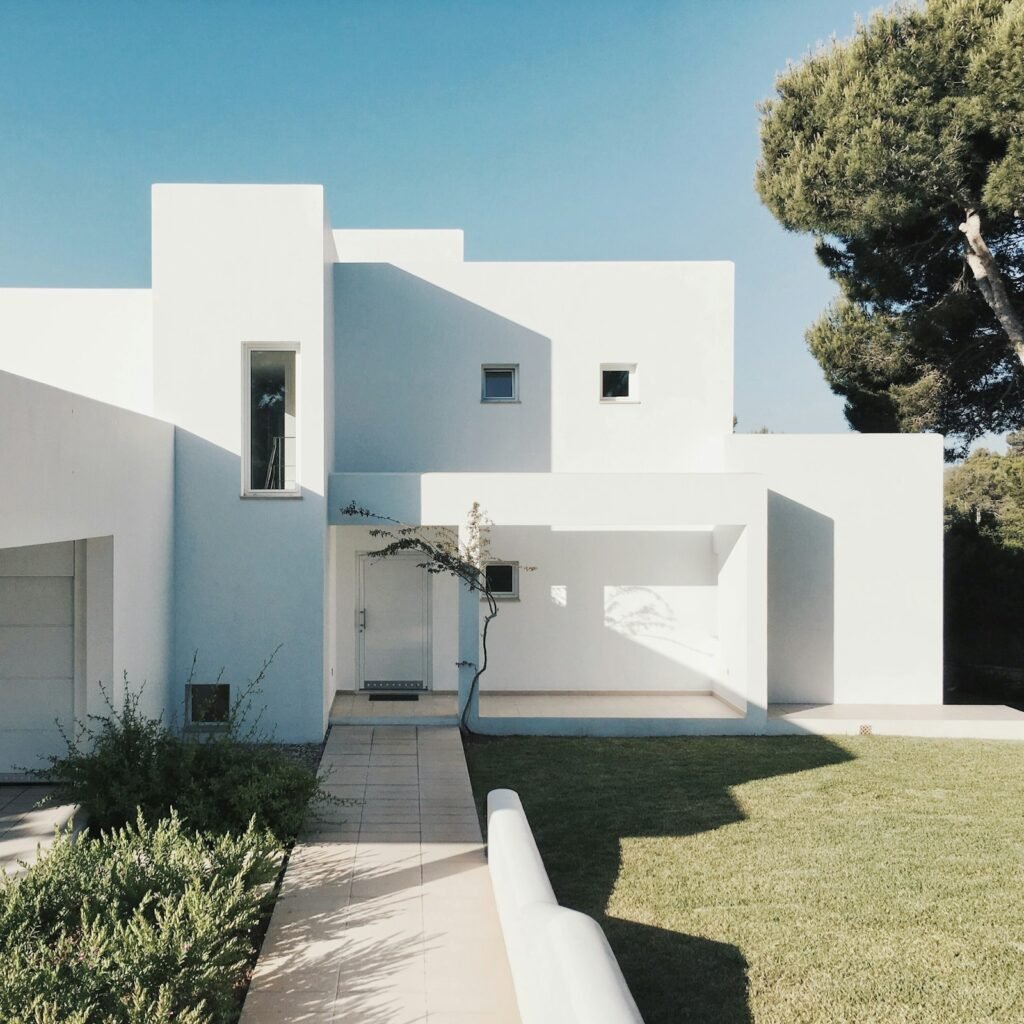
Example 1: The elevated newer build. A home in Godley Station built in 2015, first floor well above base flood elevation, no claims history. The NFIP might quote around $900 a year. A private carrier, seeing a genuinely low-risk property, might come in at $400 to $600 for similar or better coverage. For newer and elevated homes, private flood insurance frequently beats the NFIP by a wide margin.
Example 2: The older bungalow near the water. A 1940s slab-foundation home in a flood-prone pocket near the Ogeechee, with one prior claim. Here the script can flip. Private carriers may decline the risk or quote high, while the NFIP, which must accept every eligible property, might be the more affordable and stable home for it.
Example 3: The high-value Historic District home. Rebuild cost of $600,000. The NFIP’s $250,000 cap leaves a $350,000 hole no matter what the premium is. A private policy, or a private excess policy stacked on top of the NFIP, is really the only way to be fully covered.
| Factor | NFIP | Private Flood |
|---|---|---|
| Typical Savannah premium | ~$800–$1,000+/yr | Varies widely; often lower for elevated or newer homes |
| Max building coverage | $250,000 | $1 million+ available |
| Contents payout | Depreciated value | Replacement cost often available |
| Temporary living expenses | Not covered | Often available |
| Waiting period | 30 days | Often 10–14 days |
| Guaranteed acceptance | Yes, in participating communities | No; carriers can decline or non-renew |
Before you switch: three things to check
1. Your lender’s requirements
If your mortgage requires flood insurance, the good news is that lenders must accept qualifying private flood policies. Just confirm the policy meets your lender’s standards before you cancel anything.
2. The grandfathering trap
If you’re paying a discounted NFIP rate that’s still climbing toward full risk, leaving the program and coming back later could mean re-entering at today’s full Risk Rating 2.0 price. Make sure the private savings are worth giving that up.
3. Stability of the carrier
Private insurers can non-renew policies; the NFIP can’t. Work with an agent who knows which carriers have staying power on the Georgia coast, not just the cheapest quote this year.
So which is cheaper in Savannah?
Honest answer: it depends on your house, and that’s exactly why you should quote both. As a rule of thumb, private flood insurance tends to win for elevated homes, newer construction, higher-value properties, and homeowners who want real coverage extras. The NFIP tends to win for older, lower-lying homes with claims history, and for anyone who values guaranteed, can’t-be-dropped coverage above all else.
The mistake is assuming. Plenty of Savannah homeowners have been auto-renewing the same NFIP policy for a decade without ever seeing a private quote, and plenty of them are overpaying by hundreds of dollars a year. It costs nothing to find out which side of that line you’re on.
Find out what your home should actually cost to insure
We’ll compare NFIP and private flood insurance rates for your Savannah property side by side, no pressure and no obligation. It takes just a few minutes.Get My Free Flood Insurance Quote
Premiums and examples above are illustrative and based on typical market conditions; your actual rate depends on your property’s location, elevation, construction, coverage limits, and claims history. Coverage features vary by carrier and policy. Talk with a licensed agent for quotes specific to your home.