
An RV is a strange and wonderful thing to insure. It’s a vehicle when it’s rolling down I-95, a house when it’s parked under the pines at Skidaway Island or Fort McAllister, and a very large storage unit for your grill, bikes, and kayaks the rest of the time. No single auto or homeowners policy is built for something that lives all three lives — which is exactly why RV insurance exists as its own thing.
Whether you tow a travel trailer to the coast on weekends, run a Class A south for the winter, or live in your rig full-time, here’s what coverage should look like for coastal Georgia RVers.
Motorhomes (Class A, B, and C) are motor vehicles in Georgia’s eyes. They require liability insurance to be on the road, just like a car — at least the state’s 25/50/25 minimums. Given that a motorhome can weigh 30,000 pounds and cost as much as a house, minimums are a starting point, not a plan.
Travel trailers and fifth wheels work differently, and this is where owners get surprised. When you’re towing, the liability from your truck’s auto policy generally extends to the trailer. But that’s liability only. Damage to the trailer itself — collision, fire, theft, a blowout that shreds the sidewall, a tree limb through the roof — isn’t covered by your auto policy at all. A $45,000 fifth wheel with no physical damage coverage is one bad exit ramp away from being a total loss you eat yourself.
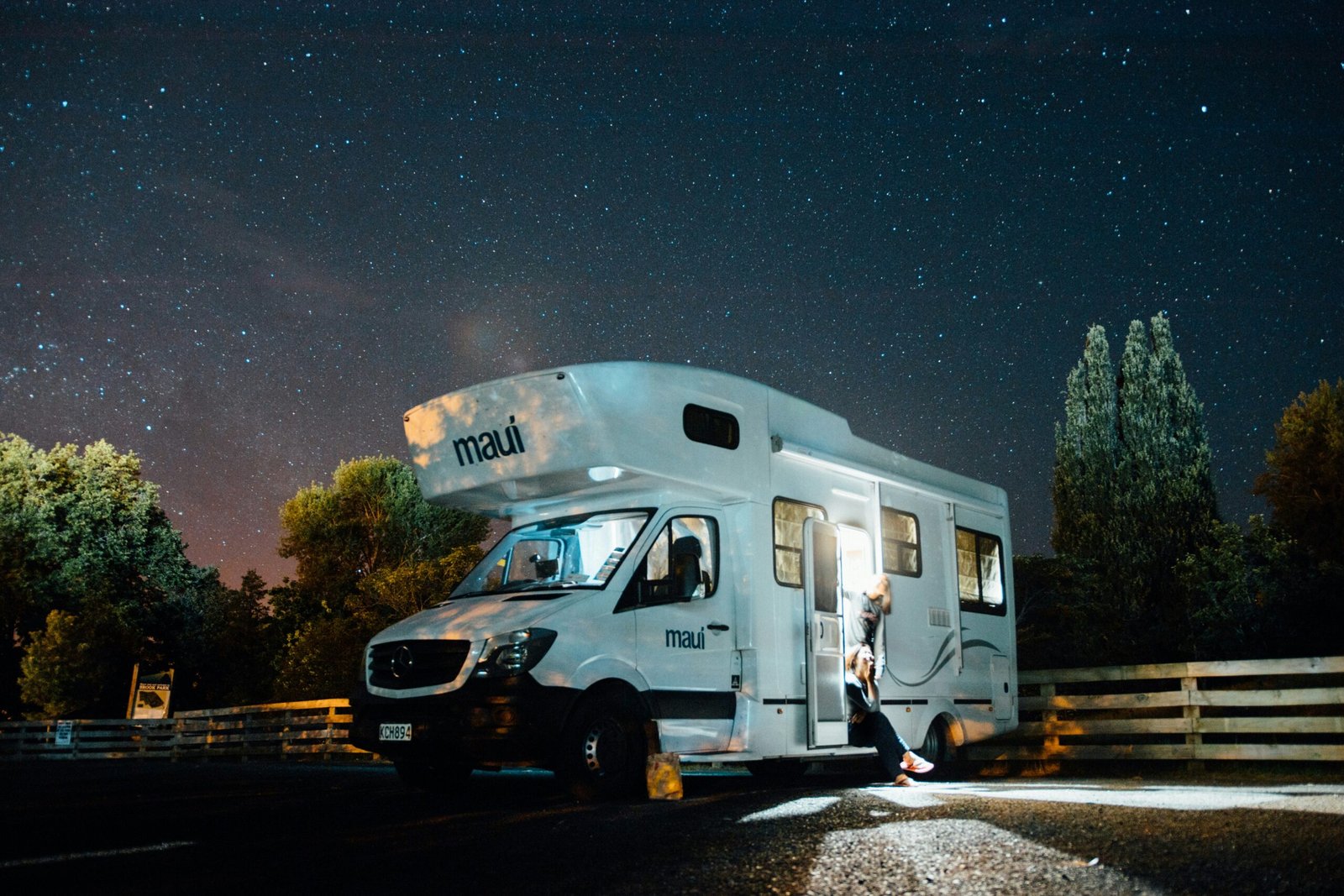
A good RV policy borrows the best of auto and homeowners coverage:
injuries and damage you cause on the road, plus vacation liability, which covers incidents at the campsite. If a guest trips over your awning stakes at CreekFire or a state park, this is what responds.
damage to the rig from accidents, theft, vandalism, fire, floods, falling limbs, and storms. In hurricane country, comprehensive is what pays when a live oak branch finds your roof.
RVs depreciate fast. This option replaces a totaled newer RV with a brand-new comparable model instead of paying depreciated value — often the difference between starting over and settling.
Everything you keep in the rig — TVs, cookware, clothes, fishing gear, e-bikes — can add up to $10,000 or more. Standard limits are low; make sure yours match what's actually inside.
If a covered loss strands you mid-trip, this helps pay for lodging and transportation home — the RV version of loss-of-use.
A tow rig that can handle a Class A is a different animal than a car tow. RV-specific roadside coverage matters more than people think.
If your RV is your primary residence, you need this package — it adds homeowners-style personal liability and higher contents protection, because you no longer have a home policy backing you up.
The range is wide because RVs are. A travel trailer might cost a few hundred dollars a year to insure, while a large Class A motorhome can run $1,000–$2,000 or more. The drivers: the rig’s type and value, how often you use it, whether you live in it full-time, where it’s stored, and your driving record.
Ways to keep the premium down:
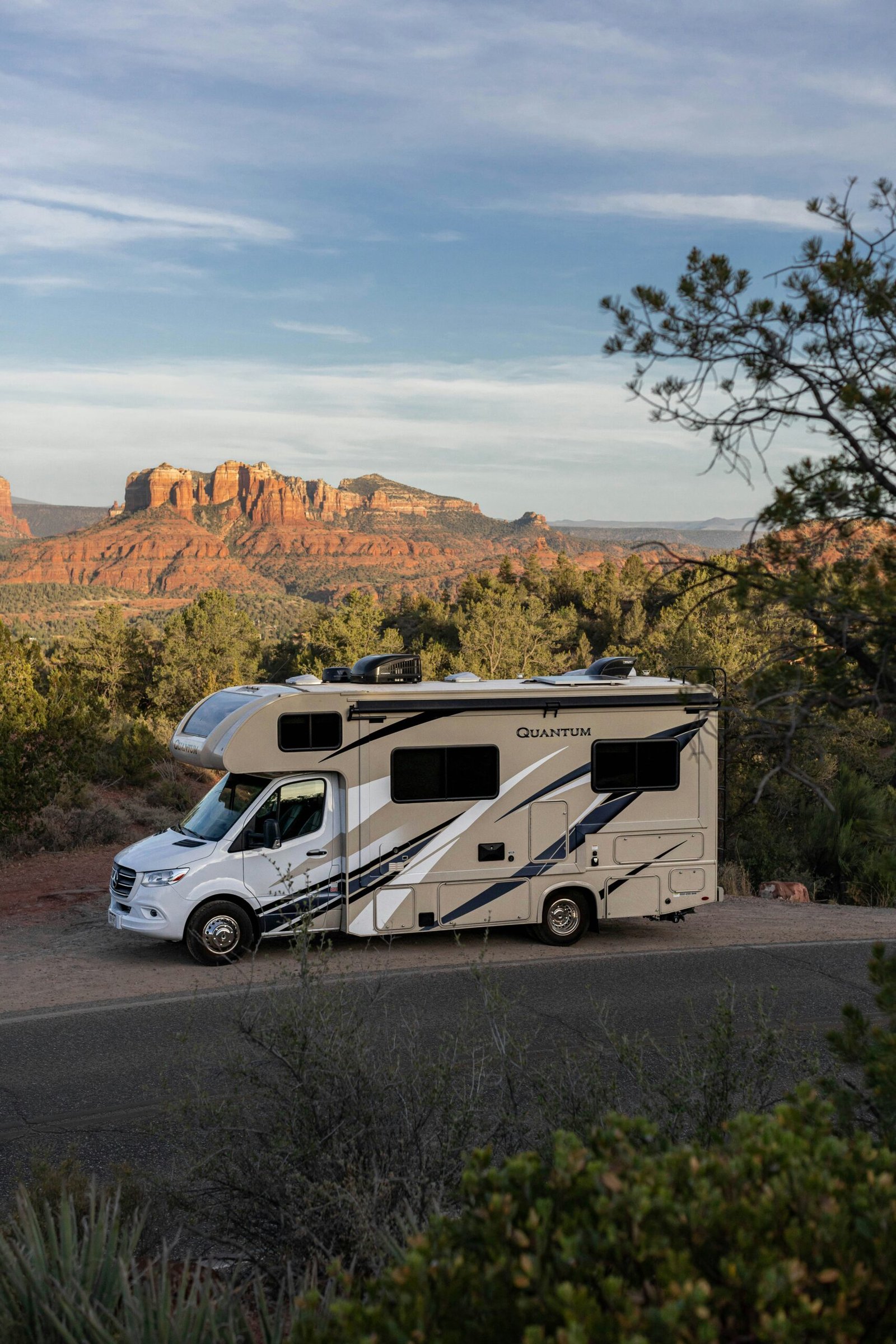
Hurricane season cuts both ways. An RV is a liability in a storm — high-sided, vulnerable to wind, and often parked under big trees — but it’s also an asset: plenty of coastal families evacuate in their rig and live in it comfortably while repairs happen back home. Either way, carriers freeze new policies once a storm is named, so coverage needs to be in place before the forecast cone shows up.
Sun and salt age rigs fast. Coastal weather is hard on roof seals and seams, and water intrusion from wear is a maintenance issue, not a covered claim. Good storage habits protect both your RV and your claims history.
I-95 and I-16 are heavy traffic. Between port trucks and tourist season, our stretch of interstate demands real liability limits — and pairs well with an umbrella policy for RV owners with assets to protect.
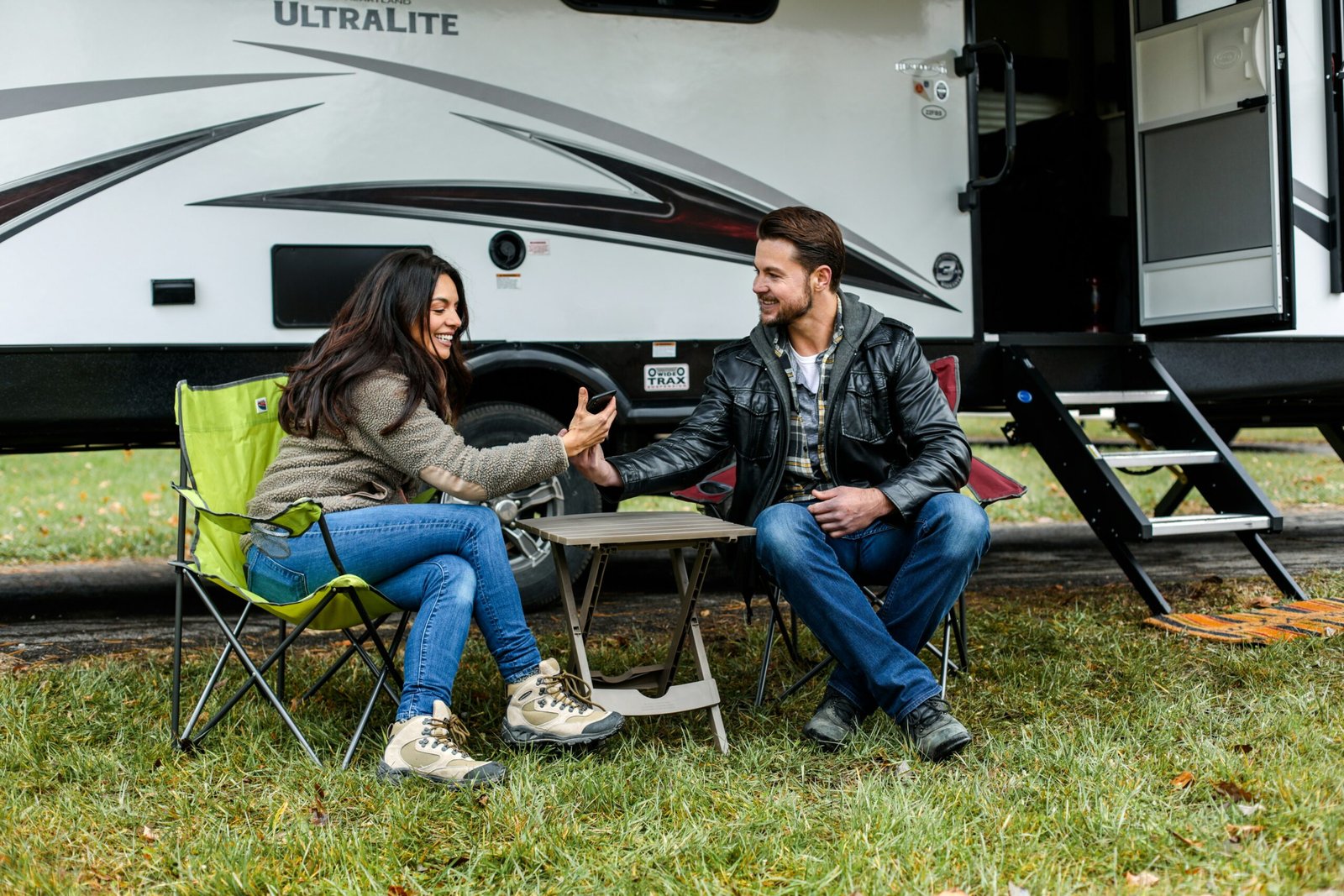
We insure motorhomes, travel trailers, fifth wheels, and campers across the greater Savannah area and the Georgia coast, including:
Savannah, Pooler, Garden City, Port Wentworth, Bloomingdale, Thunderbolt, Tybee Island, Vernonburg, Rincon, Springfield, Guyton, Richmond Hill, and Pembroke.
Whether your trailer lives beside the house in Guyton, your motorhome winters in a storage lot near Pooler, or your family camps the coast from Fort McAllister to the mountains, we’ll fit the policy to how you actually roll.
RV policies differ wildly between carriers — total loss replacement terms, full-timer eligibility, personal effects limits, how storage periods work. And the right answer depends on questions an online form never asks: Do you live in it? Where does it sit in August? What’s the truck towing it, and are the two policies coordinated? We ask, we compare carriers that write RVs well, and we make sure your auto, RV, and umbrella coverage fit together without gaps — all from one local office.
Liability extends while towing; damage to the trailer does not. The trailer needs its own physical damage coverage.
It takes just a few minutes, and there’s no obligation. Tell us about your rig — type, year, value, how you use it, and where it’s stored — and we’ll compare coverage from carriers that understand RV life on the Georgia coast.
Home is wherever you park it. Insure it like one.