
Condo life in the Savannah area is easy to love. A renovated loft near the river downtown, a beach condo on Tybee, a low-maintenance townhome-style unit in Pooler — somebody else cuts the grass, fixes the roof, and paints the outside. The trade-off is that insuring a condo is genuinely confusing, because your HOA insures part of your home and you insure the rest. The trouble starts when nobody’s sure where that line is.
Condo insurance — an HO-6 policy, if you want the industry term — covers your side of the line. Here’s how to make sure the two policies actually meet in the middle, with no gap for your savings to fall through.
Your condo association carries a master policy on the building. What it covers inside your unit depends on which type it is, and this single detail should drive your entire policy:
“Bare walls” master policies cover the structure only — the framing, exterior walls, roof, and common areas. Everything inside your unit’s walls is yours to insure: cabinets, countertops, flooring, interior walls, light fixtures, even the drywall.
“All-in” (or single entity) master policies cover the unit’s original interior finishes too — but often not upgrades you or a previous owner made. That granite kitchen and the heart-pine floors someone installed in a downtown unit? Possibly on you.
Reading the association’s declarations to find this line is not exciting. It’s also exactly what we do when we quote your policy — because guessing wrong means a fire or burst pipe could leave you paying to rebuild your own kitchen.

Rebuilds the inside of your unit — floors, cabinets, fixtures, built-ins — after a covered loss like fire or water from a burst pipe. This is the piece sized to your master policy type.
Furniture, electronics, clothing, kitchenware — everything you'd take with you if you moved. Beach condo owners on Tybee: this includes the furnishings in a unit you rent out, though short-term rentals need special handling (more below).
If a guest is injured in your unit or your overflowing tub damages the unit below — the classic condo claim — liability coverage responds. Water flows downhill, and in a building, downhill is your neighbor's ceiling.
Pays for somewhere to stay if a covered loss makes your unit unlivable while repairs happen.
The sleeper coverage every coastal condo owner should know about — it gets its own section.
When a hurricane damages a condo building, the master policy pays — minus its deductible. On coastal buildings, that deductible is often a percentage of the building’s insured value, which can mean hundreds of thousands of dollars. The association divides that shortfall among the owners as a special assessment. Your share could be a five-figure bill that arrives whether or not your own unit was touched.
Loss assessment coverage pays your share of qualifying assessments for covered perils, and it’s inexpensive to add. For a beachfront building on Tybee or a riverfront property in Thunderbolt, we’d call it essential — and we’ll help you pick a limit that reflects your building’s actual wind deductible, not a token amount.
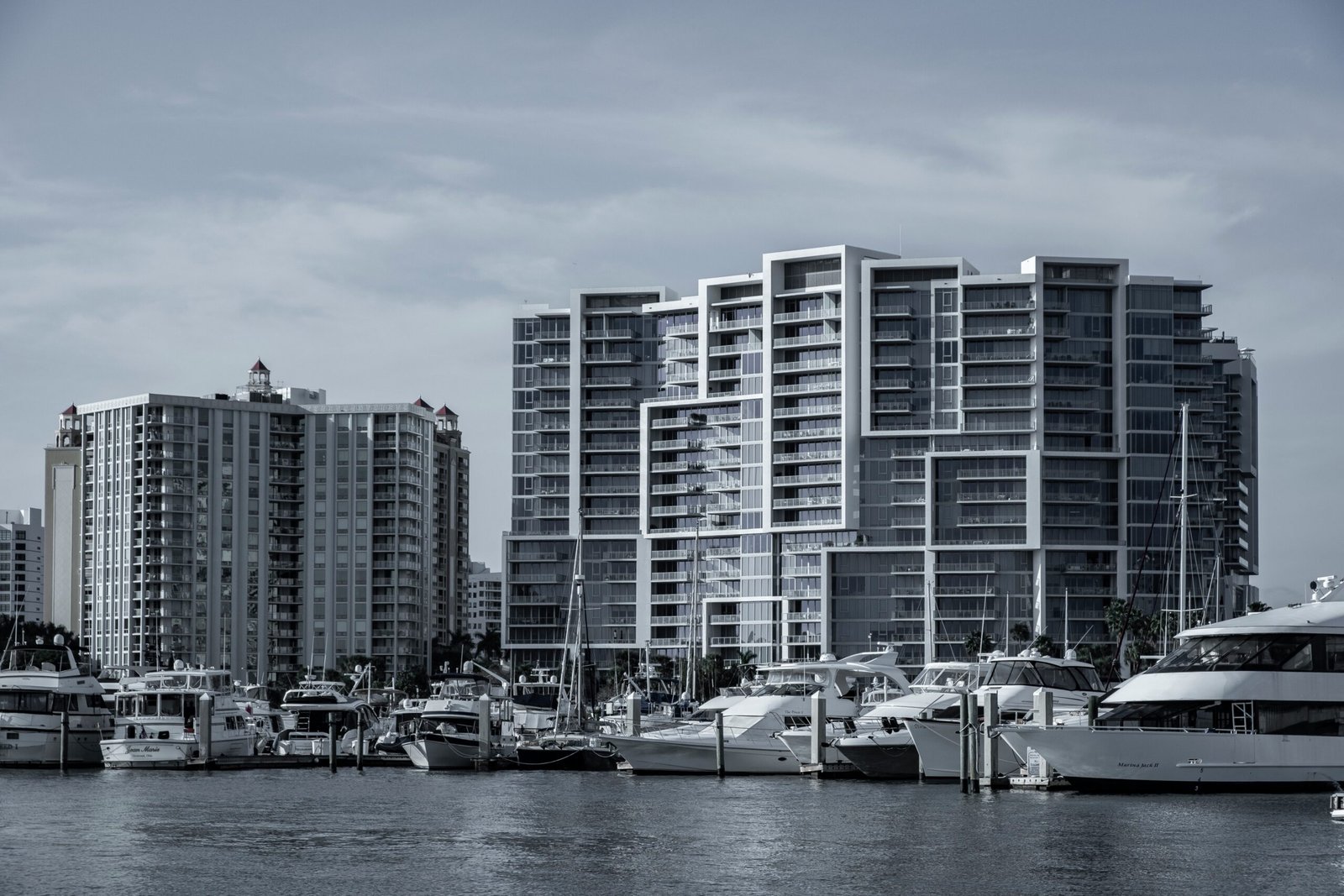
Flood is separate — again. Neither the master policy’s wind coverage nor your HO-6 covers rising water. Ground-floor units near the river, the marsh, or the beach should carry contents flood coverage at minimum. It pairs with the association’s flood policy the same way your HO-6 pairs with the master policy.
Renting your unit changes everything. A long-term tenant or a short-term vacation rental — common for Tybee condos — means you need landlord-style or rental-use coverage, not a standard HO-6. Renting on a policy that doesn’t know about it is how claims get denied. Tell us how the unit is used; we’ll match the policy to reality.
Good news: HO-6 policies are typically far cheaper than homeowners insurance — often a few hundred dollars a year — because the master policy carries the building’s biggest risks. Your rate depends on your interior coverage amount, the building’s construction and location, your deductible, claims history, and credit. Bundling with your auto policy usually earns a meaningful discount, and it’s the easiest saving available.
We help condo and townhome owners across the greater Savannah area and the Georgia coast, including:
Savannah, Pooler, Garden City, Port Wentworth, Bloomingdale, Thunderbolt, Tybee Island, Vernonburg, Rincon, Springfield, Guyton, Richmond Hill, and Pembroke.
From historic district condos and Starland lofts to beach units on Tybee Island, riverfront buildings in Thunderbolt, and newer communities in Pooler and Richmond Hill, we know the local buildings — and in many cases, the master policies behind them.
Condo insurance done right starts with a document, not a quote: your association’s master policy and bylaws determine where your coverage needs to begin. We read them, set your walls-in and loss assessment limits to match, flag whether flood coverage makes sense for your floor and location, and compare multiple carriers for the best rate on that correctly built policy. An online form can’t do the first half of that job — and the first half is the part that decides whether a claim gets paid.
It covers the building and common areas. Your interior finishes, your belongings, your liability, and your share of assessments are yours — that’s the whole reason HO-6 policies exist.
It takes just a few minutes, and there’s no obligation. Send us your building’s info — we’ll check the master policy line, build your coverage to meet it, and compare rates from top carriers.
The HOA covers the building. We’ll cover everything that makes it yours.