
Own one home, and your liability risk lives at one address. Own a rental in Garden City, a duplex in Savannah, and a vacation property on Tybee, and you’ve tripled the number of staircases, decks, dogs, tenants, and guests that could produce a lawsuit with your name on it. Every door you own is income — and every door is also exposure.
Here’s the math that keeps property owners up at night. A landlord policy typically carries $300,000 to $500,000 in liability coverage per property. A serious injury claim — a tenant’s guest through a rotted deck railing, a child hurt at a rental’s pool — can settle or verdict well into seven figures. Everything above your policy limit comes from you: the equity in your properties, your savings, your other assets. One bad afternoon at one property can reach everything you’ve built across all of them.
Excess property liability insurance — extra liability coverage layered above the policies on your properties — is how owners cap that risk. Usually for a few hundred dollars a year per million of protection.
The structure is simple layering:
A well-built excess policy sits over your entire property schedule at once. Instead of buying separate protection for the rental in Pooler, the duplex downtown, and the house on Tybee, one excess layer covers a claim arising at any of them. It typically pays legal defense costs too — and in a seven-figure lawsuit, the defense bill alone can rival a small property’s value.
Depending on how you own and use your properties, this protection gets written a few different ways: a personal umbrella with rental properties scheduled onto it, an excess liability policy over landlord policies, or commercial excess coverage for portfolios held in an LLC. The right form depends on your situation — more on that below — but the job is the same: one big layer over everything you own.

Liability risk isn’t spread evenly across the world, and property ownership concentrates it:
Loose stair treads, deck and porch railings (a special concern on older Savannah housing stock), uneven walkways, inadequate lighting, dog bites by a tenant's animal you allowed in the lease. You don't have to live there to be liable — you have to own it.
Tenants, their guests, delivery drivers, maintenance workers, prospective renters at showings. A short-term rental on Tybee can see more visitors in a season than a private home sees in a decade — every one a potential claimant.
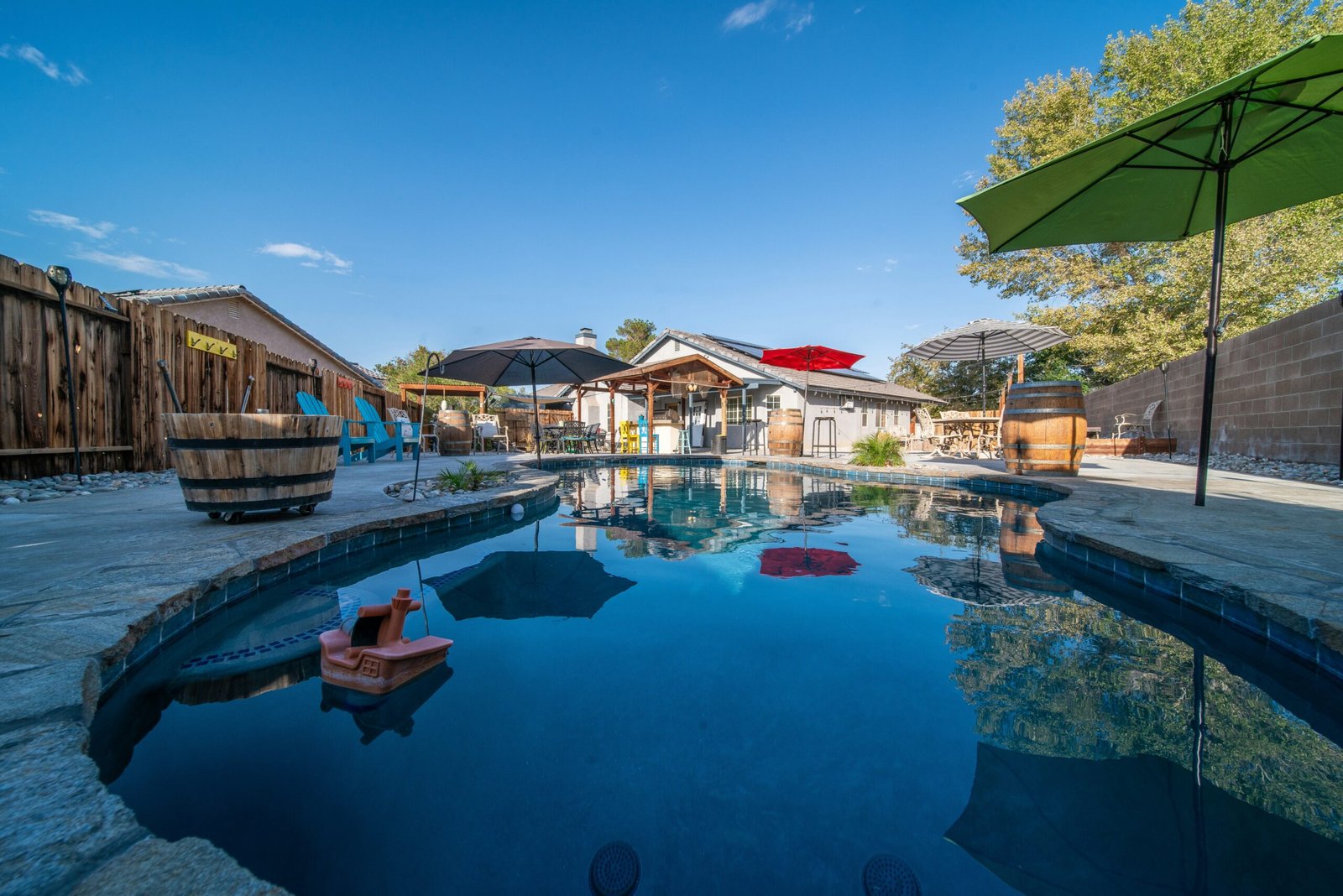
Pools, hot tubs, docks, trampolines a tenant sets up, golf carts guests borrow. Around the water — docks in Thunderbolt, riverfront properties in Port Wentworth, beach houses on Tybee — the amenity list gets long and the claims get expensive.
Fairly or not, an injured plaintiff suing a property owner reads differently to a jury than a neighbor suing a neighbor. Settlements and verdicts against landlords trend accordingly — and plaintiff's attorneys check defendants' insurance limits and assets before deciding how hard to push.

Excess liability is priced per million of coverage, adjusted for what’s underneath it: how many properties, how they’re used (long-term rental, short-term rental, vacant), amenities like pools and docks, and your claims history. As a rough guide, a $1 million layer often runs a few hundred dollars a year, with each additional property adding a modest surcharge and each additional million costing less than the first. A short-term rental or a pool moves the number up; it’s still one of the cheapest ways to buy seven-figure protection anywhere in insurance.
One requirement to know going in: excess carriers require minimum liability limits on each underlying policy — commonly $300,000 or more per property. If any of your landlord policies carry less, we’ll raise them as part of the package (usually cheaply) so every property connects to the excess layer with no gap in between. A gap between layers is exactly where a big claim slips through — closing those gaps is most of the craft in building this coverage.
We build excess liability protection for property owners across the greater Savannah area and the Georgia coast, including:
Savannah, Pooler, Garden City, Port Wentworth, Bloomingdale, Thunderbolt, Tybee Island, Vernonburg, Rincon, Springfield, Guyton, Richmond Hill, and Pembroke.
Whether you own two doors or twenty — long-term rentals in Garden City and Port Wentworth, a vacation rental on Tybee Island, workforce housing in Rincon and Springfield, or a mixed portfolio across Chatham, Effingham, and Bryan counties — we’ll put one strong layer over all of it.
Excess liability over a property portfolio is an architecture problem, not a product purchase. Every property has to be scheduled, every underlying policy has to meet the excess carrier’s minimums, short-term rentals need excess carriers that accept them (many don’t), entity-owned properties need the commercial form, and the whole structure has to be updated every time you buy, sell, or change how a property is used. We manage that architecture as your portfolio grows: one review of everything you own, one layer sized to your real net worth, and one office to call when something changes. And because we’re independent, we shop the excess market — where appetite for coastal Georgia rental risk varies enormously between carriers.
No — that’s a property coverage that pays for flood damage to your building above NFIP limits. Excess liability pays when someone holds you responsible for their injury or loss. Coastal property owners frequently need both, for entirely different reasons.
It takes just a few minutes, and there’s no obligation. Tell us what you own and how each property is used — we’ll review your underlying limits, find the gaps, and price one layer of protection over everything.
You built the portfolio one property at a time. Protect it all at once.