
Drive around this region on any weekday morning and you’ll see the local economy on wheels. Work trucks pulling equipment trailers up Highway 21 toward Rincon. HVAC vans threading the new subdivisions in Pooler and Richmond Hill. Delivery vehicles, landscaper rigs, food trucks headed to Tybee, catering vans, and everything moving in and out of the port corridor through Garden City and Port Wentworth. If your business rolls, your business needs commercial auto insurance — and probably sooner than you think.
Because here’s the trap that catches more small businesses than any other on this page: your personal auto policy excludes business use. The pickup that’s fine for the grocery run becomes uninsured the moment it’s hauling your tools to a paying job — and the claim after a wreck on I-16 is precisely when you’ll find that out. Personal policies are priced for commuting and errands. Ladder racks, magnetic signs, trailers, jobsite miles, and paid deliveries all tell the adjuster a different story, and adjusters read those stories for a living.
The honest test isn’t “do I have a fleet?” It’s “does this vehicle make me money?”
The biggest group in this booming market. Trucks carrying tools and materials, vans with shelving and equipment, anything pulling a trailer to a job site. GCs and job sites will also demand your certificate before you're badged on.
Plumbers, electricians, cleaners, pest control, mobile detailers, IT techs, home health.
Including restaurants running their own delivery.
The vehicle is the business; it needs commercial coverage for both driving and, often, the equipment built into it.
Trucks plus trailers plus mowers is a three-part insurance question, and we'll sort which policy covers which part.
If it's titled to the business or an LLC, it generally can't sit on a personal policy at all.
You don't need employees or a logo to need commercial auto. One person, one work truck, real business use — that's a commercial risk, and pricing it honestly is cheaper than a denied claim.
Liability — the core, and usually the contract requirement. Injuries and property damage your vehicles cause, plus legal defense. Georgia’s minimums (25/50/25) apply to commercial vehicles too, but almost no business should stop there: a loaded work truck causes bigger accidents than a sedan, juries treat business defendants accordingly, and most contracts and job sites require a $1 million combined single limit. Stack a commercial umbrella above it when contracts demand more — a routine and affordable structure we build constantly.
Collision and comprehensive. Damage to your own vehicles — the wreck, the tree limb, the theft, the flood in a low-lying lot (a genuinely local peril: a storm-flooded work van is a total loss, and only comprehensive pays it). If a vehicle is financed, your lender requires both.
Uninsured/underinsured motorist coverage. Roughly one in ten Georgia drivers carries no insurance. When one of them hits your revenue-producing truck and your employee inside it, UM/UIM pays. For businesses, we consider it non-negotiable.
Medical payments — injuries to your drivers and passengers, regardless of fault.
Hired and non-owned auto (HNOA) — the coverage almost every business is missing. If an employee runs a business errand in their own car — the bank run, the supply pickup, delivering an order — and causes a serious accident, the injured party’s attorney sues your business too. The employee’s personal policy wasn’t built for that, and your commercial auto policy only covers listed vehicles. HNOA fills exactly this gap, plus rented vehicles. It’s inexpensive, it’s often available as an endorsement to your BOP or auto policy, and if your people ever drive their own cars for work — most do — you need it.
The useful extras: rental reimbursement and downtime coverage (a work truck in the shop is a crew not earning), roadside built for commercial vehicles, and trailer coverage. One distinction we’ll make sure is handled: tools and equipment inside the vehicle usually aren’t covered by auto policies — cargo and tools ride on inland marine coverage, and a break-in that empties a contractor’s van is one of the most common claims in the trades. We pair the two policies so the truck and what’s in it are both protected.
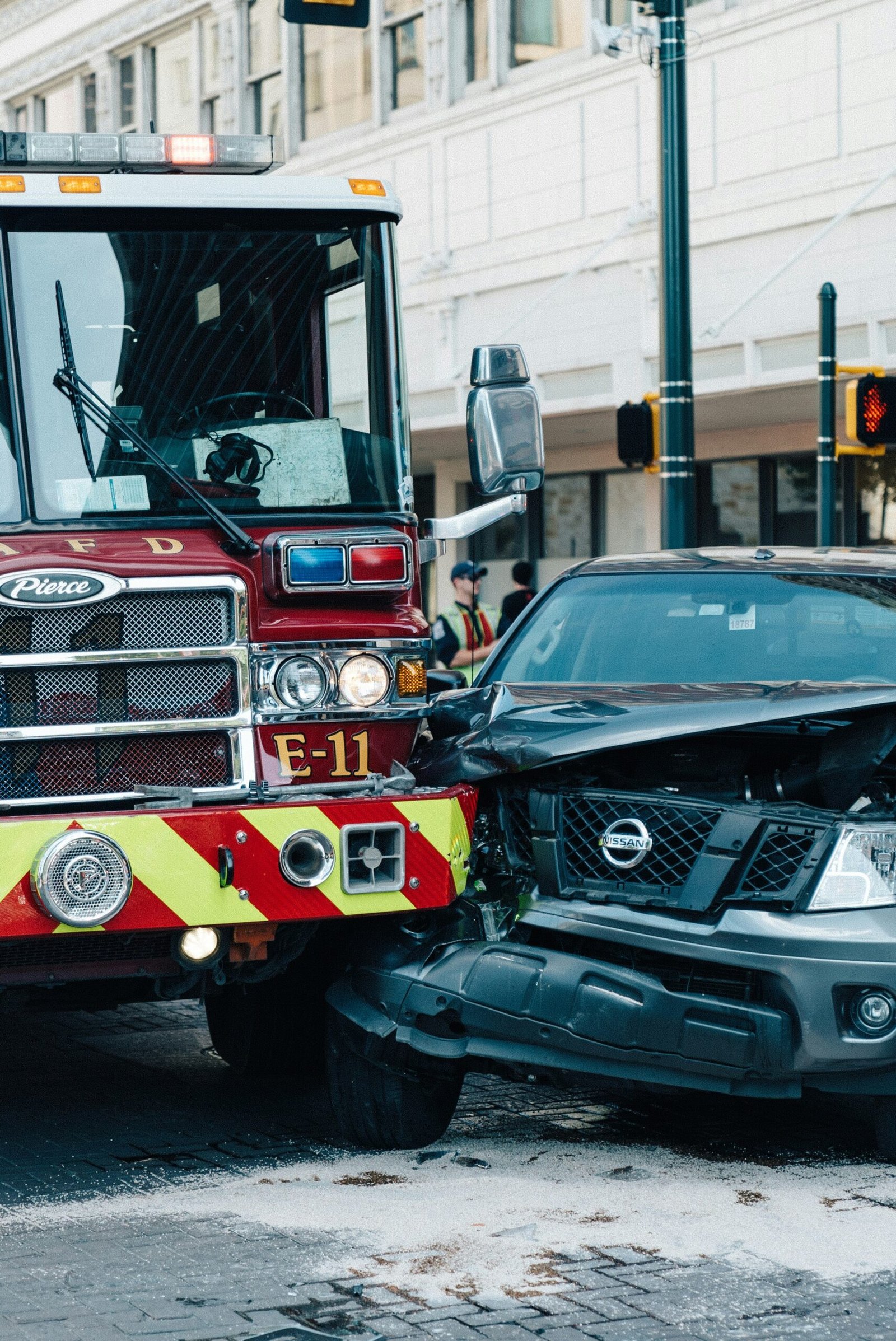
For a single light work truck or van, commercial auto commonly runs $1,500 to $3,000+ per vehicle per year — more than a personal policy, because the vehicle works harder, hauls more, and carries higher limits. Heavier vehicles, longer radius, and delivery exposure raise it; the levers that lower it are the ones you control: hire good drivers and check MVRs before handing over keys (driver records move commercial rates more than any other factor), keep vehicles maintained and garaged, choose sensible deductibles, consider telematics programs that reward safe driving, and bundle with your BOP and general liability. And because carrier appetite for coastal Georgia commercial auto — especially contractors — varies dramatically, shopping it through an independent agency routinely finds four-figure differences on identical fleets.
We insure business vehicles across the greater Savannah area and the Georgia coast, including:
Savannah, Pooler, Garden City, Port Wentworth, Bloomingdale, Thunderbolt, Tybee Island, Vernonburg, Rincon, Springfield, Guyton, Richmond Hill, and Pembroke.
Trade trucks working the corridor from Pooler to Richmond Hill, port-adjacent operations in Garden City and Port Wentworth, delivery and catering vehicles downtown, food trucks bound for Tybee, and one-truck businesses from Rincon to Pembroke — if it works for a living, we’ll cover it like it does.
Commercial auto is where quiet mistakes get expensive: a business-titled truck sitting on a personal policy, HNOA missing while employees run errands daily, tools uninsured in the van, certificates that don’t match the GC’s requirements, a new hire driving before anyone pulled the MVR. We audit all of it — how each vehicle is titled, used, and driven, what your contracts require, where the umbrella should sit — and we build the auto, inland marine, and liability pieces as one coordinated program instead of three disconnected policies. Add a truck, lose a driver, win a bigger contract: one call updates everything, same day when a job is waiting on the certificate.
Not without hired and non-owned auto coverage. This is the most common gap we find in small business programs, and one of the cheapest to fix.
It takes just a few minutes, and there’s no obligation. Tell us about your vehicles, your drivers, and what your contracts require — we’ll price it across carriers, close the HNOA and tools gaps while we’re at it, and get certificates moving the same day you bind.
Your trucks earn their keep every day. Insure them like it.