
Short answer: yes. Wind is a covered peril on a standard homeowners policy, and that includes wind from a hurricane or a tropical storm.
Longer answer: yes, but what you’ll actually pay out of pocket is probably not the number you think it is. And there’s one type of storm damage your policy won’t touch at all.
If you own a home in Savannah, Tybee, Wilmington Island, Pooler, or anywhere else in Chatham County, this is worth ten minutes of your attention before the next named system spins up.
What wind coverage actually pays for
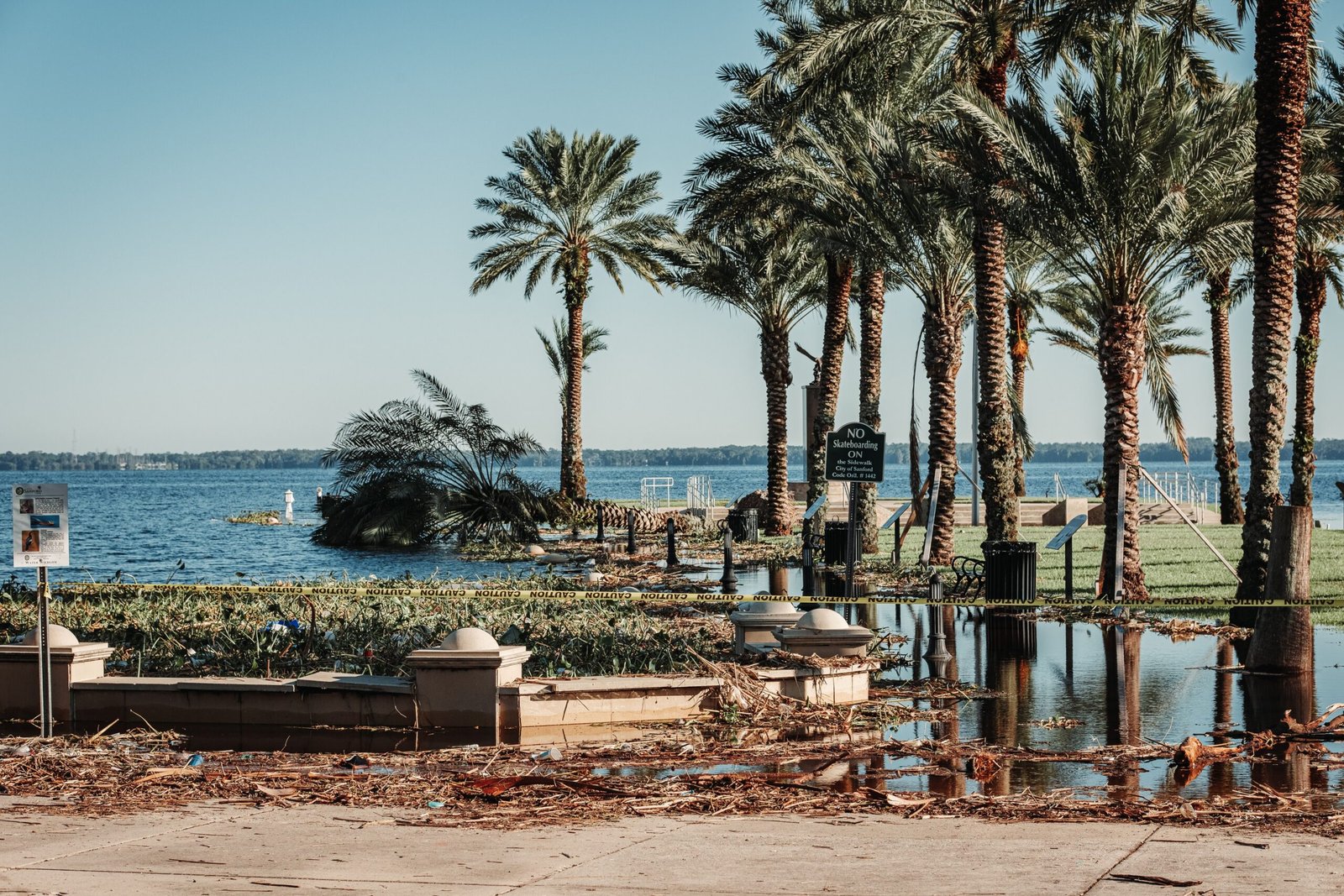
When a named storm comes through and the wind does the damage, your homeowners policy is doing the work. That covers:
- Shingles stripped off the roof, and the water that gets in through the hole
- Siding, windows, gutters, and soffits
- A live oak limb through your roofline — and the cost of hauling the tree off
- Detached structures like a shed, fence, or carport
- Your belongings inside, if wind opened the house up
- Additional living expenses if you can’t stay there while it’s repaired
That’s real, meaningful coverage. Most Savannah storm claims are wind claims, and they get paid.
The part that catches people: your deductible isn’t your deductible
Here’s where coastal Georgia policies work differently than most people assume.
You probably know your deductible — $1,000, maybe $2,500. That’s your all other perils deductible. It applies to a kitchen fire or a burglary.
It does not apply to a hurricane.
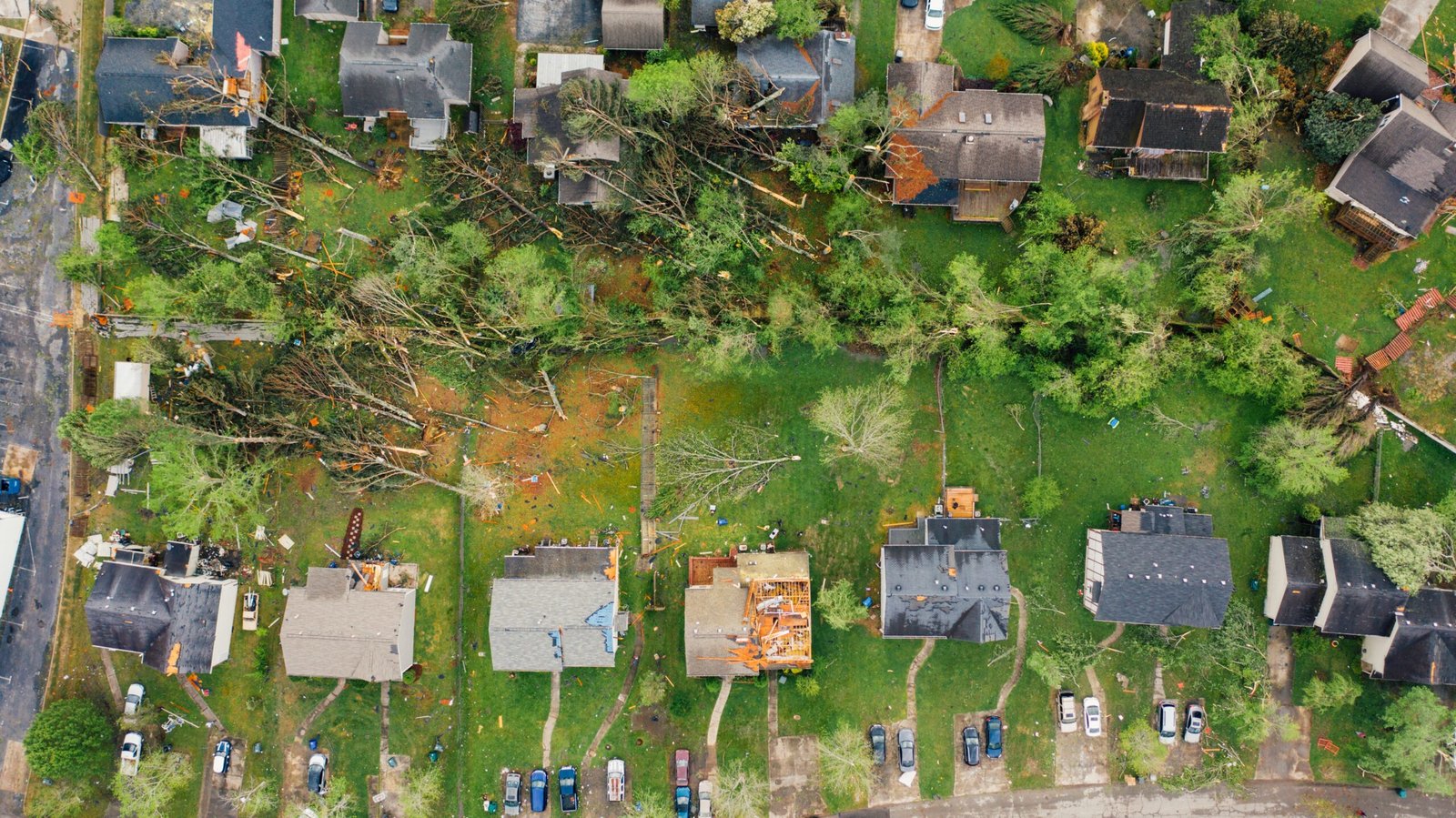
Coastal Georgia policies carry a separate windstorm or hurricane deductible, and it’s written as a percentage of your dwelling coverage — usually 1% to 5% — not a flat dollar amount. That distinction is worth thousands.
Run the math on your own house:
| Dwelling coverage | 2% deductible | 5% deductible |
|---|---|---|
| $300,000 | $6,000 | $15,000 |
| $450,000 | $9,000 | $22,500 |
| $600,000 | $12,000 | $30,000 |
So picture a Tybee homeowner with $450,000 in dwelling coverage and a 2% named storm deductible. A tropical storm takes the roof, and repairs run $35,000. She’s paying the first $9,000 herself — not the $1,500 she’d been picturing all these years. The check comes to $26,000.
The percentage applies to your insured value, by the way, not to the size of the loss. That trips up almost everyone.
Georgia law requires insurers to spell these numbers out in your policy documents. They’re in there. Most people just never look until the worst possible moment.

Three deductibles, not one
Coastal Chatham County policies often stack three separate deductibles. Pull your declarations page and look for all three:
1. All other perils. Flat dollar amount. Fire, theft, a burst pipe.
2. Wind and hail. Percentage-based. Any wind event — a summer thunderstorm, straight-line winds, a hailstorm.
3. Named storm or hurricane. Also percentage-based. This is the coastal layer, and it’s usually the biggest.
Which one applies depends entirely on the trigger language in your policy — and that language varies by carrier, because Georgia leaves the specifics up to the individual insurer.
The difference matters more than you’d guess. A named storm deductible typically activates once the National Hurricane Center names a system at tropical storm strength, 39 mph. A hurricane deductible waits for 74 mph. If a tropical storm damages your roof but never becomes a hurricane, one of those triggers fires and the other doesn’t.
There’s a time window, too. Coverage under the storm deductible usually starts when the storm is named or a watch is issued, and runs until somewhere between 24 and 72 hours after it’s downgraded. Damage outside that window falls back to your regular deductible.
Read the trigger line on your declarations page. It’s the difference between owing $1,000 and owing $10,000 on the exact same roof.
What your policy will not cover: water that rises
This is the big one, and it’s the reason a lot of Savannah homeowners get a nasty surprise after a storm.
*Wind-driven rain that comes in through a hole in your roof? Covered.*
*Storm surge, tidal flooding, or rising water that comes in your door? Not covered.*
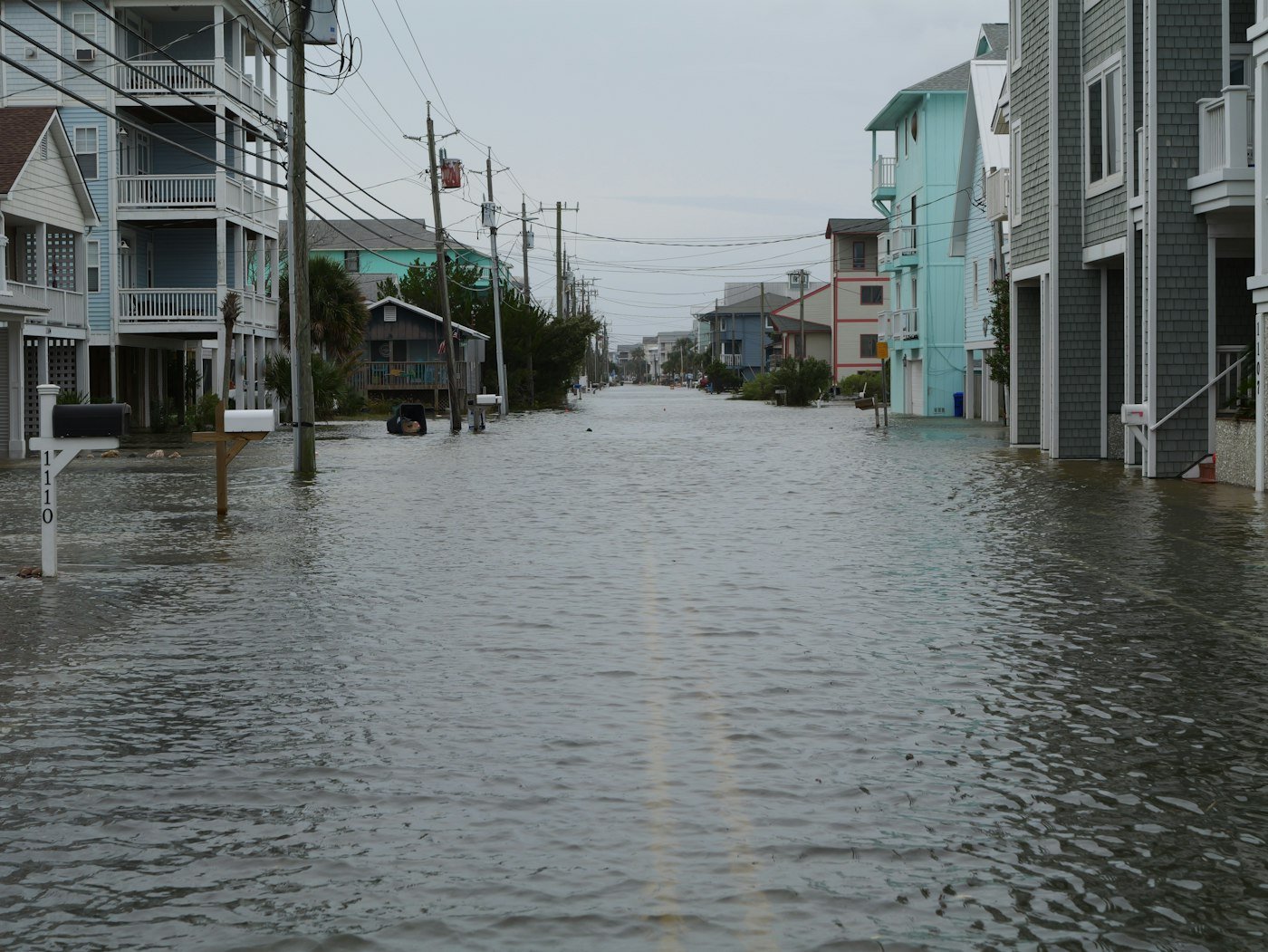
There is no version of a standard homeowners policy that pays for flood. Not one. Storm surge coming off the Savannah River or up through the marsh is a flood loss, and it requires a separate NFIP or private flood policy.
Same hurricane. Same night. Two completely different claims — and if you only have the homeowners policy, one of them pays nothing.
For a low-lying city where a hurricane’s water often does more damage than its wind, that gap is the single biggest exposure most homeowners have.
Two more things worth checking
How your roof is valued. Some policies pay replacement cost on the roof. Others pay actual cash value, which subtracts depreciation for age and wear. On a 12-year-old roof that costs $15,000 to replace, that difference can be bigger than your deductible. Look for a roof settlement schedule or an ACV endorsement — carriers have been adding them.
Whether your coverage limit still matches reality. If you last set your dwelling amount in 2020 or 2021, construction costs have moved a long way since. Underinsured is a problem you only discover while rebuilding.
The timing thing nobody tells you
Once a hurricane watch goes up for the Georgia coast, most carriers freeze new policies and mid-term changes. You cannot raise your limits, drop your deductible, or add flood coverage with a storm three days out. NFIP flood policies also carry a 30-day waiting period in most cases.
Which means the only useful time to fix any of this is a quiet, sunny day. Like today.

What to do this week
- Find your declarations page and write down all three deductibles as **dollar amounts**, not percentages.
- Check the named storm trigger language — tropical storm strength, or hurricane strength?
- Confirm whether your roof is covered at replacement cost or actual cash value.
- Ask whether your dwelling limit reflects 2026 rebuild costs.
- If you don’t have flood insurance, price it. Roughly a quarter of flood claims come from properties outside high-risk zones.
None of this is complicated. It’s just easy to put off — until it isn’t.
Want a second set of eyes on your policy before storm season? We’ll walk through your deductibles line by line and tell you straight whether you’re covered the way you think you are.
Coverage terms, deductibles, and triggers vary by carrier and property. Figures are illustrative, not quotes.