
Here’s the conversation that catches people off guard.
You bought a Victorian District home for $525,000. Your tax assessment says something close to that. So you assume your dwelling coverage should be about $525,000, and your carrier’s software agrees.
Then a fire takes half the house, and the estimate to rebuild it comes back at $840,000.
Replacement cost isn’t market value. It isn’t your tax assessment, and it has nothing to do with what you paid. It’s one number: what it would cost, today, to rebuild your house the way the city will actually let you rebuild it.
In Savannah’s historic districts, that last part changes everything.
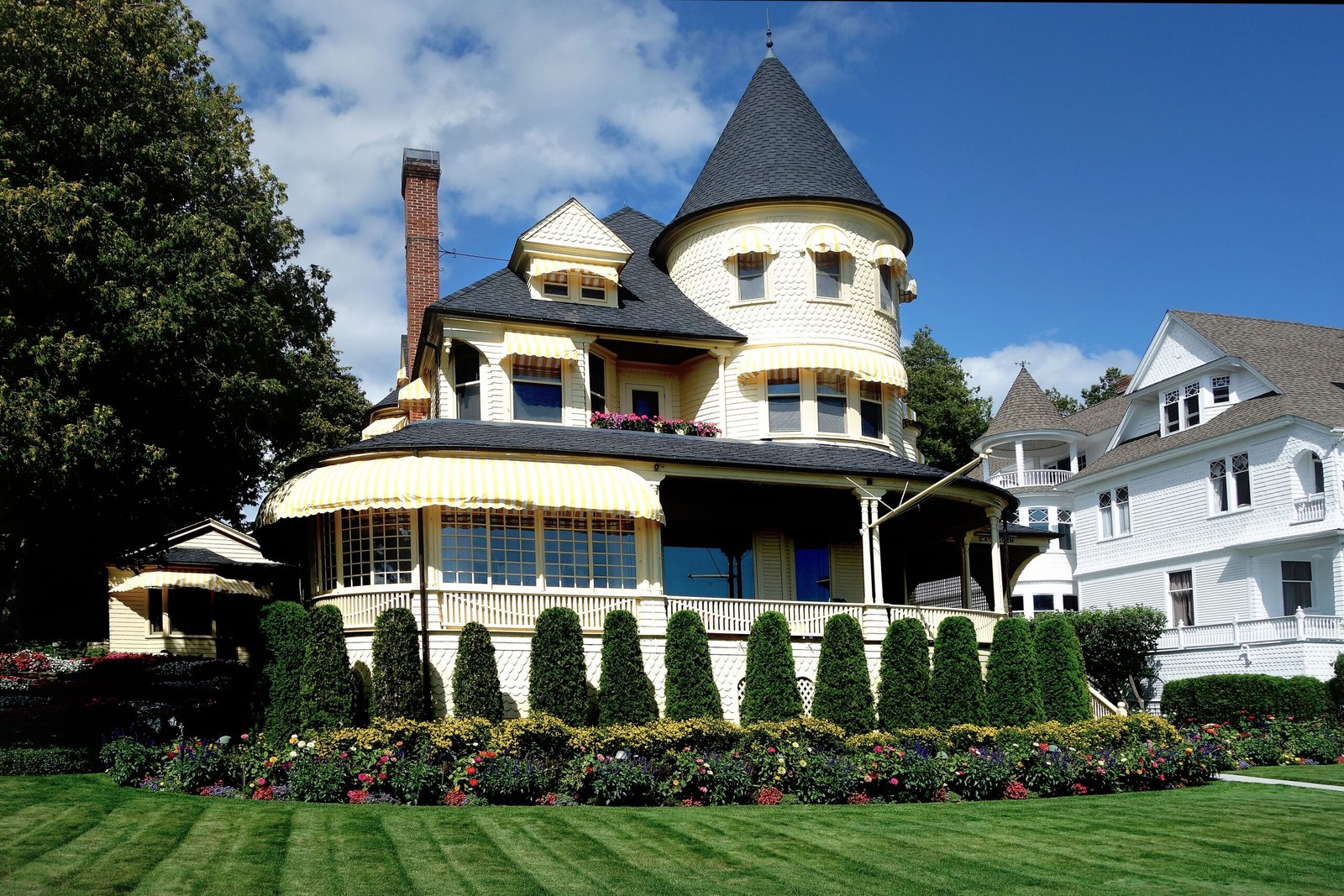
How carriers come up with the number
Most insurers run your home through cost-estimating software. It takes square footage, year built, number of stories, roof type, and a “quality grade,” then multiplies against regional construction costs.
For a 2015 build in Pooler, that works fine. For an 1890s home on Bull Street, it breaks in a specific way: the software’s default assumptions describe a modern house of the same size. Drywall instead of plaster. Vinyl instead of heart pine. Stock windows instead of true divided-light sash.
Nothing in that model is dishonest. It just answers the wrong question — what a builder would put up on your lot, rather than what the law requires you to put back.
What actually drives the cost up
Walk through a typical Savannah historic home and count the line items no estimator’s default grade includes:
- Heart pine flooring, framing, and trim. Old-growth longleaf pine isn’t harvested anymore. Reclaimed stock costs multiples of new lumber, and matching board widths on a repair is its own scavenger hunt.
- Plaster and lath walls. Skilled plasterers are scarce and slow. Drywall is a fraction of the price — and often not permitted as a substitute.
- True divided-light windows. Wood sash with individual panes, made to match an existing profile. Not something you order from a catalog.
- Ornamental millwork. Brackets, corbels, spindles, mantels. Each one gets replicated by hand from what survived.
- Roofing. Standing seam metal, slate, or tile — not architectural asphalt shingle.
- Masonry. Savannah grey brick, lime mortar rather than modern Portland cement, and true stucco.
Then add the practical stuff. Narrow lots. Lane access. No staging area. A crane that can’t get where it needs to be. And a small pool of contractors in this market who genuinely know historic work, which means their calendars — and their rates — reflect it.
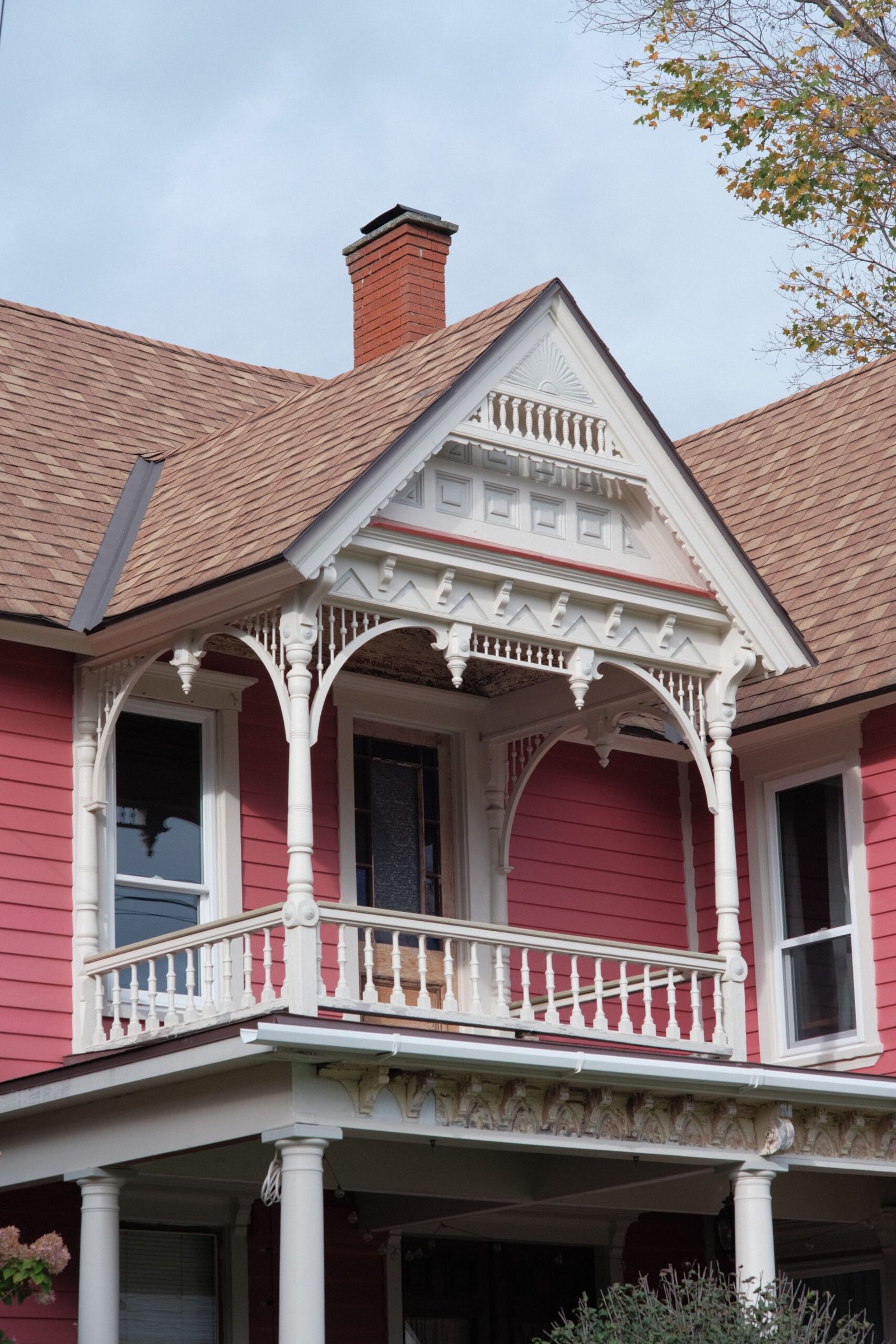
The Savannah multiplier: you don’t get to choose the materials
This is the part national insurance advice misses entirely, and it’s the reason a generic replacement cost estimate is nearly useless downtown.
Every exterior change visible from the public right-of-way in the Savannah Historic District requires a Certificate of Appropriateness. The Historic District Board of Review — nine volunteer residents appointed by the Mayor and Aldermen, meeting monthly since 1973 — decides what goes back up.
And their standards are specific. Exterior walls must be repaired with in-kind materials rather than replaced whenever the degradation allows repair. Fiber cement siding is prohibited on historic buildings as a replacement for existing wood siding, even though it’s permitted on new construction. Shutters have to be durable wood.
Read that again, because it’s the whole ballgame. Hardie board is cheaper, tougher, and better in a hurricane. On your historic house, you can’t use it.
So your replacement cost isn’t an estimate of what a reasonable builder would do. It’s an estimate of what the board will approve — and the gap between those two numbers is frequently 30% to 50%.
One more wrinkle: the Victorian District is a separate historic area south of the original downtown district, with its own rules and review path. Savannah also has the Streetcar and Cuyler-Brownville districts and other overlays. Which district you’re in changes which standards apply, so “historic Savannah” isn’t one answer.

Ordinance or law coverage isn’t optional here
Say a kitchen fire damages 40% of your house. The building inspector rules that reconstruction has to bring the whole structure up to current code — electrical, plumbing, insulation, egress.
Without ordinance or law coverage, your policy pays to repair the fire damage. It does not pay for the mandatory upgrades, which can add well into six figures on a house this old.
The coverage comes in three parts, and you want all three: increased cost of construction, demolition of the undamaged portion, and loss of value of that undamaged portion.
Many policies default to 10% of dwelling coverage. For a historic Savannah home, that’s usually not close. Ask about 25% or 50%.
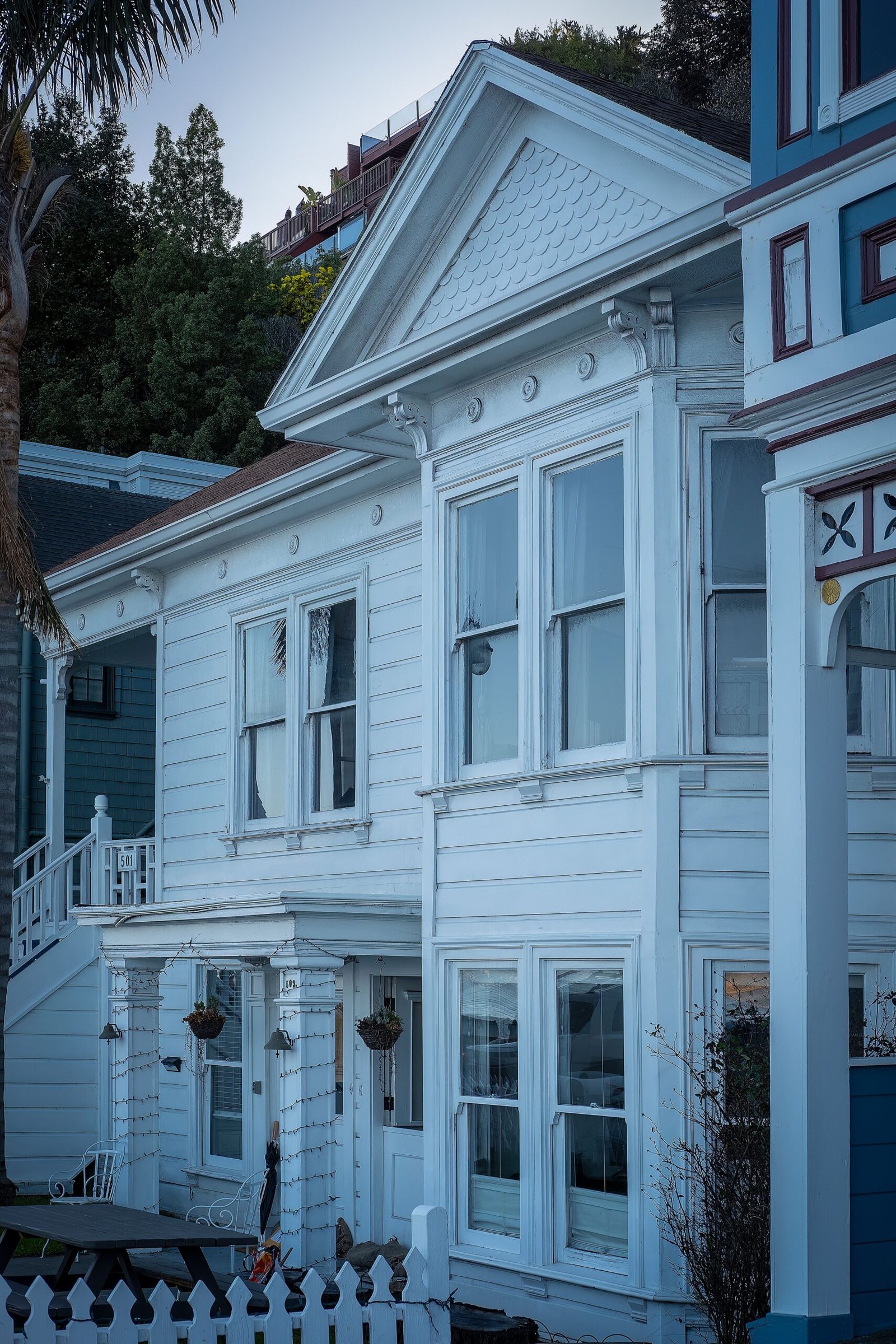
Know which coverage form you actually have
Three terms get used loosely. They mean very different things when you file a claim.
Extended or guaranteed replacement cost pays beyond your stated dwelling limit — extended typically caps at 125% to 150%, guaranteed removes the cap. This is what you want. Expect to pay roughly 20% more for it.
Functional replacement cost pays to rebuild with functionally equivalent but cheaper materials. Vinyl for wood. Drywall for plaster. It’s a legitimate product, and it’s a poor fit for a house whose materials are legally specified.
HO-8 is the older-home form, built for cases where replacement cost exceeds market value. It covers a short list of named perils and pays actual cash value — replacement cost minus depreciation. On a 130-year-old house, depreciation is brutal. Sometimes HO-8 is the only offer on the table. Just know what you’re accepting.
Getting to a real number
- Ask for a replacement cost estimate that reflects historic materials. If the worksheet says “average” quality grade and vinyl siding, it’s describing someone else’s house.
- Document everything now. Photograph the millwork, mantels, staircase, windows, and any stained glass. Keep receipts and contractor invoices from every restoration. After a loss, that file is your evidence.
- Pull your COA history. Prior approvals tell your carrier what the board has already required of you.
- Confirm your ordinance or law limit as a percentage, then do the arithmetic.
- Revisit it annually. Construction costs have moved substantially since 2020, and specialty trades have moved more.
A property that’s been well maintained with updated electrical, plumbing, and HVAC often prices better than an identical one with deferred maintenance. Historic designation itself isn’t what drives premiums — knob-and-tube wiring is.

The bottom line
If your dwelling limit looks a lot like your purchase price, that’s a flag worth checking. These houses cost more to rebuild than to buy, and the districts that make them worth owning are the same districts that make them expensive to put back.
Let’s look at your declarations page together and see whether the number holds up.
Design standards, coverage forms, and rates vary by district, property, and carrier. Figures are illustrative, not quotes. Confirm current requirements with the Metropolitan Planning Commission before planning any work.