
Most standard homeowners policies stop covering a house once it sits empty for about one to two months, which means you typically need a separate vacant home policy or endorsement to protect against fire, vandalism, theft, and liability during that time. Vacant coverage usually costs more than a standard policy. Rules, thresholds, and availability vary by state and insurer, so what applies to your neighbor’s lake house in Michigan may not apply to your empty rental in Savannah.
TL;DR:
- Vacant home insurance premiums typically increase by 25% to 50% compared to standard policies, mainly due to higher fire and theft risks.
- Most insurers consider a home vacant after 30 to 60 days of no routine activity or furniture, requiring specific coverage to avoid claim denial.
- Common coverage gaps include fire, vandalism, theft, and windstorm, with exclusions like water damage, unreported vacancy, or unauthorized occupants.
- Proper documentation, such as photos, inspection logs, and security measures, can streamline claims and prevent denial during a loss in a vacant property.
- Working with independent agents to compare endorsed and standalone policies helps owners find tailored coverage in high-hazard or long-term vacancy situations.
Table of Contents
- Vacant vs. unoccupied: why the difference matters to your insurer
- What vacant home insurance covers, and where the gaps show up
- What vacant home insurance costs and what pushes the price up
- How to buy vacant home insurance and what to ask your agent
- Reducing risk and strengthening your claim before trouble starts
- How Daly & Alexander Insurance supports vacant-property owners
- Filing a claim on a vacant home: the process and the timeline
- Coordinating vacant coverage with your existing homeowners policy
- Documentation insurers typically ask for before issuing vacant coverage
- Who sells vacant home insurance and where to start looking
- When paying for a vacant policy actually makes sense
- Getting a quote and policy review from Daly & Alexander
- Sources
- FAQ
Vacant vs. unoccupied: why the difference matters to your insurer
Insurers draw a sharp line between “unoccupied” and “vacant,” and that line determines whether your claim gets paid. An unoccupied home still has furniture and signs of life, like a seasonal beach cottage between visits. A vacant home has no furniture, no routine activity, and no one planning to move back in soon. Think of a house sitting empty between renters or stuck on the market for months.
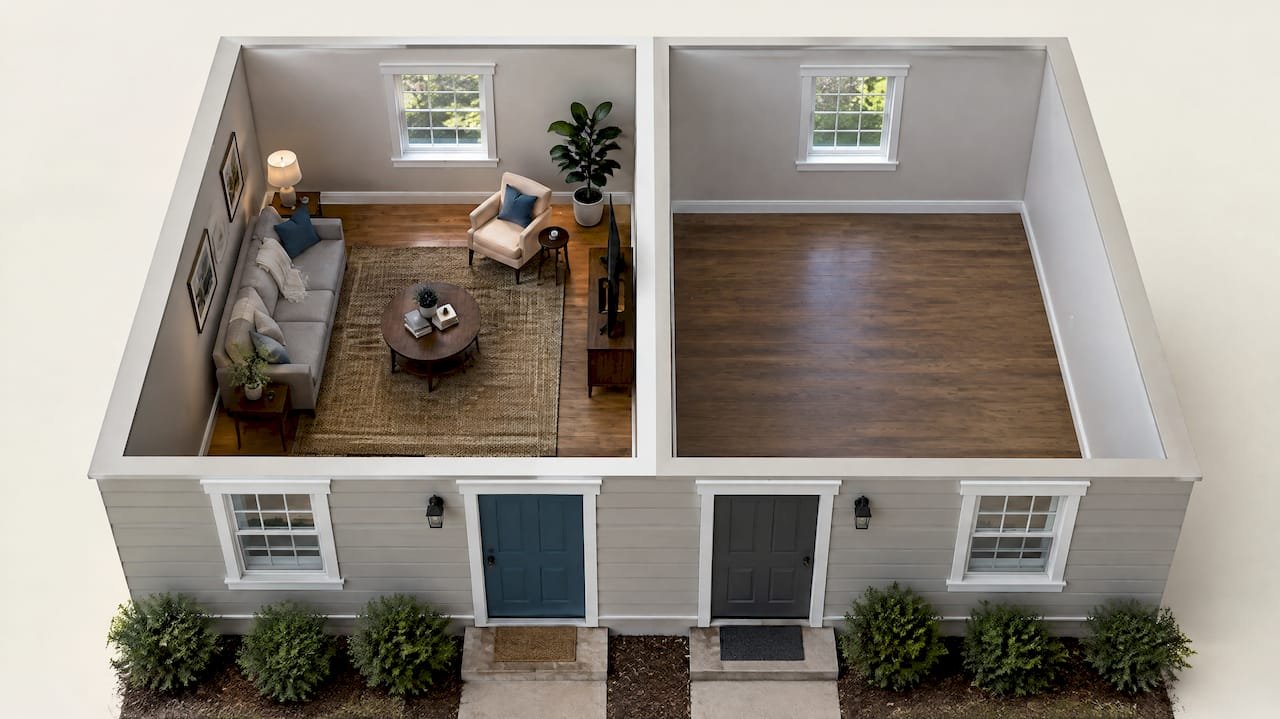
Most insurers use a 30 to 60 day window as the trigger point, after which a standard homeowners policy either reduces coverage or excludes it entirely, according to Rocket Mortgage. Cross that threshold without telling your carrier, and you could find out the hard way that your claim is denied.
Common vacancy scenarios include:
- A house listed for sale after the owners have already moved out
- A rental property sitting empty between tenants
- An inherited home awaiting probate or renovation
- A second home left unused for an extended stretch outside peak season
If you have a mortgage, your lender likely requires continuous insurance coverage regardless of occupancy status, so keep a copy of your vacancy dates and any lender correspondence on hand.
What vacant home insurance covers, and where the gaps show up
A vacant home policy generally protects against fire, vandalism, theft, windstorm, and hail damage, along with limited liability if someone gets hurt on the property. Coverage for contents and liability tends to be lower than what you’d get on an occupied home, since insurers assume less personal property is present and less activity is happening on-site.
Typical coverage includes:
- Dwelling protection against fire, lightning, and windstorm
- Vandalism and malicious mischief
- Theft of fixtures or building materials
- Limited liability for injuries to visitors or contractors
Common exclusions and conditions that void coverage:
- Failing to disclose vacancy to your insurer
- Frozen or burst pipes from not winterizing the property
- Gradual water damage, like a slow roof leak
- Squatters or unauthorized occupants
Fire remains one of the biggest threats to an empty structure. Vacant and unoccupied buildings account for a meaningful share of structure fires reported to fire departments each year, according to NFPA data, often because delayed detection lets a small fire become a total loss. Endorsements like a vacancy permit, expanded theft coverage, or ordinance-and-law protection can close specific gaps, and they matter most if your property sits in a high-crime area or an older home subject to costly code-upgrade requirements after a loss.
What vacant home insurance costs and what pushes the price up
Vacant home insurance almost always costs more than a standard homeowners policy, and the gap can be substantial. Industry sources commonly cite premium increases in the range of 25% to 50% over occupied-home rates, according to Rocket Mortgage, though your actual number depends heavily on where you live and how long the property will sit empty.
Vacant homes see higher rates of both fire and burglary loss, which is the core reason premiums climb. Burglary and vandalism patterns tracked through the FBI’s Uniform Crime Reporting program help explain why insurers price empty structures more cautiously than occupied ones.
Your premium is shaped by a handful of factors:
- Hazard exposure, including flood zones, wildfire risk, and hurricane-prone coastal areas
- Property condition and age of the roof, plumbing, and electrical systems
- How long the vacancy is expected to last
- Security measures like alarms, cameras, and deadbolts
- The length of the policy term you choose
You can trim costs by opting for a short-term policy that matches your actual vacancy window, installing basic security upgrades, and keeping documented inspection records that show the property is being maintained.
How to buy vacant home insurance and what to ask your agent
Buying vacant coverage is less about shopping blindly and more about matching the right product to your situation. Here’s a practical sequence:
- Review your current homeowners policy to see if it already excludes vacancy or offers an endorsement option.
- Call your agent before the property sits empty, not after, so you’re not scrambling to backdate coverage.
- Request quotes for both a vacancy endorsement on your existing policy and a standalone vacant property policy.
- Compare term lengths, typically 3, 6, or 12 months, against your expected vacancy period.
- Document the property’s condition with photos and a written inspection log before coverage begins.
An endorsement adds vacancy protection to your existing homeowners policy, while a standalone vacant policy is written specifically for an empty structure, often with its own perils list and exclusions. If the home is a seasonal second residence rather than truly empty, a secondary-home policy may fit better than either option. Daly & Alexander’s vacant property insurance guide walks through these distinctions in more detail.
Pro Tip: Ask your agent directly about the vacancy threshold, covered perils, deductible on vacant claims, inspection requirements, and cancellation terms before you sign anything.
Reducing risk and strengthening your claim before trouble starts
The single biggest factor in whether a vacant home claim gets paid smoothly is whether you can prove the property was being maintained. Insurers expect active management, not a locked door and a hope for the best.
Concrete steps that reduce both risk and claim friction:
- Winterize plumbing to prevent freeze-related bursts
- Secure all entry points, including basement windows and garage doors
- Install cameras or a monitored alarm system
- Schedule inspections at least every two weeks, more often in extreme weather
- Keep utilities set at a level that prevents freezing without inviting waste
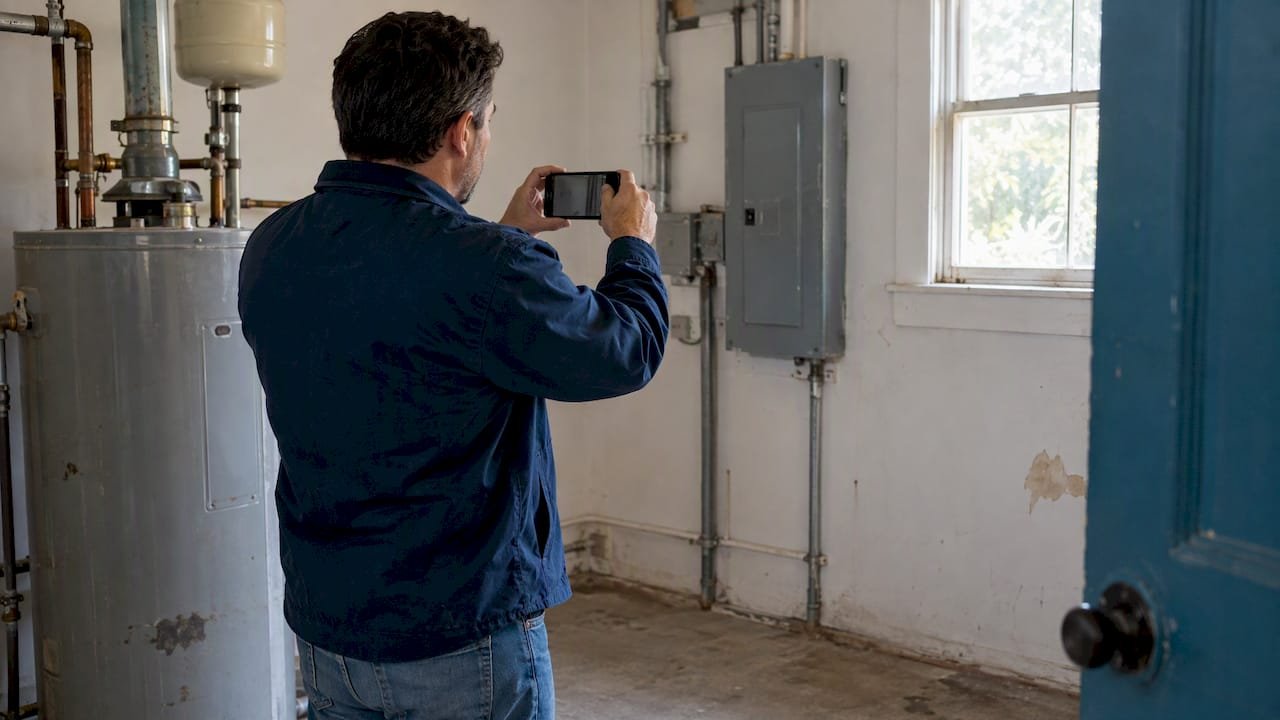
Keep time-stamped photos, written inspection logs, vendor receipts for any repairs, and a visitor log if contractors or caretakers come through. Failure to disclose vacancy and neglecting basic maintenance are the two most common reasons insurers push back on vacant-home claims, so documentation is your strongest defense when something does go wrong.
Pro Tip: Snap dated photos every time you check the property. A simple phone photo with a timestamp can be the difference between a paid claim and a denied one.
How Daly & Alexander Insurance supports vacant-property owners
A property and casualty insurance agency with over 45 years of experience often includes vacant properties as a regular part of their service offerings, not as an afterthought. The agency offers dedicated vacant property policies alongside vacant renovations coverage for homes mid-rehab, a common need around Savannah’s older housing stock.
An insurance agent can help with:
- Reviewing your current homeowners policy before vacancy begins
- Providing quotes comparing endorsement and standalone vacant options
- Coordinating property inspections to support underwriting
- Assisting with claims advocacy if a loss occurs while the property is empty
For Savannah-area owners, the vacant property insurance page lays out local options in plain language.
Filing a claim on a vacant home: the process and the timeline
Filing a claim on a vacant property follows the same basic structure as any homeowners claim, but the stakes around documentation are higher. Report the loss to your insurer as soon as you discover it, ideally within 24 to 48 hours, since delayed reporting on an empty property raises red flags about how closely it was being monitored.
After you report the claim, expect these stages:
- An adjuster is assigned and typically schedules an inspection within a few days to a week.
- You’ll be asked to provide your inspection logs, photos, and any vendor records showing the property was maintained.
- The adjuster evaluates whether the vacancy was properly disclosed and whether the cause of loss is covered or excluded.
- A settlement offer usually follows within two to four weeks for straightforward claims, longer for disputed or large losses.
The biggest variable is proof. A homeowner who can produce dated photos, a maintenance log, and repair receipts tends to move through the process faster than one who can only describe what the property looked like from memory. Insurers are also more likely to scrutinize water damage claims closely, checking whether the loss was sudden (typically covered) or gradual (typically excluded). If your policy included a vacancy permit endorsement, keep a copy handy, since adjusters will ask for it to confirm the vacancy was disclosed and approved before the loss occurred.
Coordinating vacant coverage with your existing homeowners policy
Buying vacant coverage doesn’t mean scrapping your existing homeowners policy, but it does require paying attention to how the two interact. Many standard homeowners policies include an automatic clause that suspends certain coverages, often theft and vandalism protection, once a home has been vacant beyond the policy’s stated threshold. That clause doesn’t cancel your policy outright, but it can leave a real gap exactly when you need protection most.
There are generally two ways to handle the overlap:
- Add a vacancy endorsement to your existing policy, which extends coverage without requiring a separate contract.
- Replace the relevant coverage with a standalone vacant property policy for the duration of the vacancy, then switch back once the home is occupied again.
If you go the endorsement route, confirm with your agent exactly which perils the endorsement restores, since some endorsements only address theft and vandalism while leaving weather-related gaps untouched. If you choose a standalone policy, ask whether your original homeowners policy needs to be paused, canceled, or simply left dormant, since running two active policies on the same structure can create confusion during a claim. Daly & Alexander’s guide to understanding your homeowners insurance policy is a useful starting point for seeing exactly where your current policy’s vacancy clause sits.
Documentation insurers typically ask for before issuing vacant coverage
Insurers want proof that a vacant property is a manageable risk, not an abandoned liability, before they’ll write a policy. Expect to provide a mix of ownership, condition, and security documentation during the application process.
Commonly requested items include:
- Proof of ownership or a copy of the deed
- A recent inspection report or photos showing the property’s current condition
- Details on security measures, such as alarm systems or monitored cameras
- The expected vacancy start date and anticipated duration
- Information on utility status, since a home with water shut off presents different risks than one with active plumbing
Some insurers also ask about the reason for vacancy, whether it’s a pending sale, a rental turnover, or a renovation project, since that context affects both pricing and the perils they’re willing to cover. If the vacancy is tied to a renovation, note that products like Vacant Renovations coverage exist specifically for that scenario, and financing resources like Surge Financial’s guide to fix and flip property types can help owners managing a rehab project understand how financing timelines often line up with insurance needs during the same stretch.
Having your documentation ready before you call an agent speeds up underwriting considerably, since incomplete applications are one of the most common reasons quotes get delayed.
Who sells vacant home insurance and where to start looking
Vacant home coverage isn’t a niche product you’ll struggle to find, but not every carrier offers it directly, and availability varies more by state than most homeowners expect. Your options generally fall into three categories.
- National insurers that write vacant endorsements on existing homeowners policies, though terms and thresholds differ by carrier.
- Specialty insurers that focus specifically on vacant, unoccupied, or renovation properties and often offer more flexible term lengths.
- Independent agencies that shop multiple carriers on your behalf and can match you to whichever insurer handles your specific vacancy scenario best.
Working through an independent agent is often the fastest way to compare options, since a single carrier may not offer the exact term length or endorsement you need. According to the NAIC’s product coding matrix, vacant status is treated as a distinct underwriting factor across the industry, which is part of why not every standard homeowners carrier will quote a vacant policy without routing it through a specialty product line. Local agencies familiar with regional risks, such as coastal flood exposure around Savannah, can also flag coverage gaps that a national call center might miss.
When paying for a vacant policy actually makes sense
If your home will sit empty longer than 60 days, sits in a high-hazard zone, or your mortgage lender requires continuous coverage, buying a vacant policy is the right call. The cost premium is real, but so is the exposure: an uninsured fire or burst pipe in an empty house can turn into a total loss with no one around to catch it early.
For shorter gaps, a caretaker arrangement and frequent inspections might cover you without the added premium, though it’s worth having an agency review your specific situation before you gamble on “it’s only a few weeks.”
— Nathan
Getting a quote and policy review from Daly & Alexander
An experienced insurance agency has spent decades helping property owners match coverage to real-world situations, including vacant homes. Whether you need a standalone vacant policy, a renovation-specific endorsement, or a quick review of how your current homeowners insurance handles vacancy clauses, an agent can walk through your options without the guesswork of comparing carrier fine print alone.

If your property is sitting empty now or about to, start with the vacant property insurance page for Savannah and request a quote directly.
Sources
- UNIFORM PROPERTY & CASUALTY PRODUCT CODING MATRIX
- What is vacant home insurance and do I need it? | Rocket Mortgage
- NFPA fire statistical reports
This article is general information, not a substitute for advice from a qualified financial advisor. Consult a qualified financial professional about your own circumstances before acting on anything here.
FAQ
What insurance company will insure a vacant home?
Many national insurers offer a vacancy endorsement on an existing homeowners policy, while specialty carriers focus specifically on vacant or unoccupied properties. Independent agencies, including Daly & Alexander, typically shop several carriers to match your specific vacancy length and location.
Is it more expensive to insure a vacant house?
Yes, vacant home insurance generally costs more than a standard occupied-home policy. Industry sources commonly cite increases in the range of 25% to 50%, according to Rocket Mortgage, though the exact amount depends on your location and property risk.
What insurance do I need for an unoccupied house?
An unoccupied house, meaning it still has furniture but no one living there, may qualify for a standard homeowners policy or a lighter endorsement rather than a full vacant policy. Once the home is stripped of furniture and activity for an extended period, it typically shifts into vacant status and needs a dedicated policy or endorsement instead.
How long can a house be vacant for insurance?
Most insurers set a threshold of 30 to 60 days before standard homeowners coverage reduces or excludes vacancy-related claims, according to Rocket Mortgage. Beyond that window, you generally need a vacancy endorsement or a standalone vacant property policy to stay protected.