
Condo insurance — formally known as an HO-6 policy — is a specialized form of property and liability insurance designed specifically for condominium unit owners. It protects the interior of your unit, your personal belongings, and your personal liability, filling the critical gaps left by your condo association’s master insurance policy.
Condo insurance exists because condominium ownership creates a dual insurance responsibility: the association is responsible for insuring the shared building and common elements, while each individual unit owner is responsible for insuring their own unit’s interior and contents. Without a dedicated HO-6 policy, unit owners have no coverage for the portions of their condo that the master policy does not address.
The Building Coverage Gap: Under an HO-3, the homeowner insures the entire structure from foundation to roof. Under an HO-6, the condo association insures the building shell, and the unit owner insures the interior — but exactly where the association’s coverage ends and the unit owner’s coverage begins depends on the type of master policy (bare walls-in, single entity, or all-in). This means a condo owner must understand their association’s master policy before selecting HO-6 coverage limits.
Why Renters Insurance Is Not Sufficient for Condo Owners: Condo owners are financially responsible for the interior of their unit including walls, flooring, fixtures, and improvements. If a fire damages the interior, the unit owner — not the association — is responsible for restoring it. Additionally, condo owners face unique financial exposures like special assessments that renters insurance does not address.
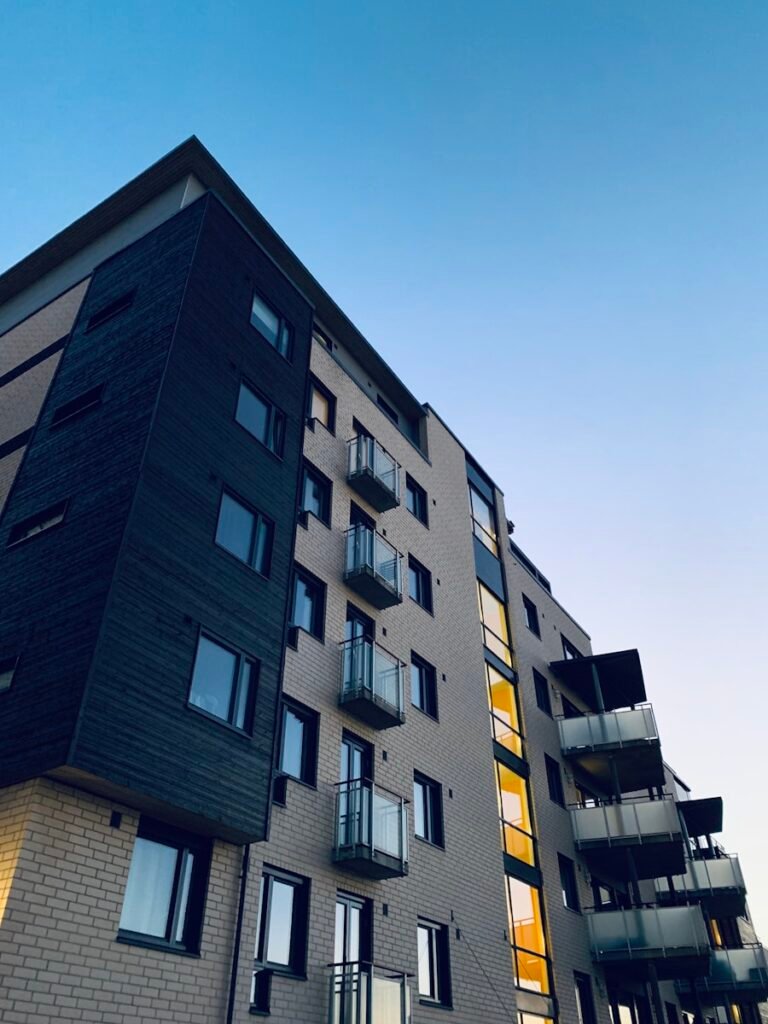
Five Critical Reasons Every Condo Owner Needs an HO-6 Policy: The master policy does not cover your personal belongings; the master policy does not cover your unit’s interior finishes; the master policy does not cover your personal liability; you can be assessed for the master policy deductible; and mortgage lenders require it.
The Water Damage Scenario: Water damage originating in one condo unit and spreading to other units is one of the most common and contentious condo loss scenarios. The unit owner where the damage originated is typically held liable for the damage caused to neighboring units — regardless of whether the cause was negligence. An HO-6 policy’s liability coverage makes this scenario manageable rather than catastrophic.
The Condo Association’s Master Insurance Policy covers building exterior and structure, common areas and shared spaces, shared mechanical and utility systems, general liability for common areas, and directors and officers liability. How the Master Policy Deductible Affects Unit Owners: Modern master policies carry deductibles of $5,000–$25,000 or more. When a covered loss occurs, the association may assess unit owners to cover the deductible — making loss assessment coverage critical.

The Three Master Policy Types: Bare Walls-In: Association covers only the building structure to the bare drywall. Unit owner responsible for everything inside including all fixtures and finishes. Single Entity (Original Specifications): Association covers original fixtures and finishes but not improvements or upgrades made by current or prior owners. All-In: The most comprehensive — association covers all fixtures, finishes, and improvements regardless of who installed them.
Key Coordination Points: HO-6 and master policy — confirm master policy type annually and adjust HO-6 Coverage A accordingly; HO-6 and personal umbrella — condo liability of $300,000 is the standard minimum underlying limit required by most umbrella policies; HO-6 and personal articles floater for high-value jewelry, art, and collectibles; HO-6 and flood insurance; HO-6 and earthquake coverage in seismic zones.
Annual Program Review: Obtain current master policy summary, update improvements and betterments, review loss assessment limits ensuring coverage is at least equal to the master policy deductible ($25,000–$50,000 minimum for most associations), review personal property limits, confirm scheduled items, and check liability limits.
Disclaimer: Condo insurance requirements, association master policy terms, and individual coverage needs vary significantly by property, association, state, and carrier. Daly Insurance, Inc. and Daly & Alexander Insurance make no representations or warranties of any kind regarding the completeness, accuracy, or reliability of any content published online or offline, and expressly disclaim all liability for any errors, omissions, or inaccuracies. Coverage availability, terms, and pricing are subject to underwriting approval and vary by carrier, state, and individual circumstance.
Daly Insurance, Inc. | Daly & Alexander Insurance | www.dalyandalexander.com | Licensed Insurance Professionals