
Motorcycle insurance is a specialized form of vehicle insurance designed specifically to protect motorcycle riders, their machines, and third parties from the financial consequences of accidents, theft, damage, and liability. It is a distinct product with its own coverage structure, rating factors, exclusions, and endorsements that reflect the unique risks, uses, and characteristics of motorcycles and the riders who operate them.
Motorcycle Insurance vs. Auto Insurance: You cannot simply add a motorcycle to your auto insurance policy and expect the same coverage to apply. Standard auto insurance policies explicitly exclude motorcycles. The fundamental reason motorcycle insurance is a separate product is that motorcycles represent a substantially different risk profile — motorcyclists are significantly more likely to be injured or killed per mile traveled than automobile occupants.
State Minimum Requirements: Most states require motorcyclists to carry a minimum level of liability insurance as a condition of legally operating on public roads. A small number of states (New Hampshire, Montana, Washington) do not require insurance but may require proof of financial responsibility. Even in these states, riding without insurance creates substantial personal financial risk.
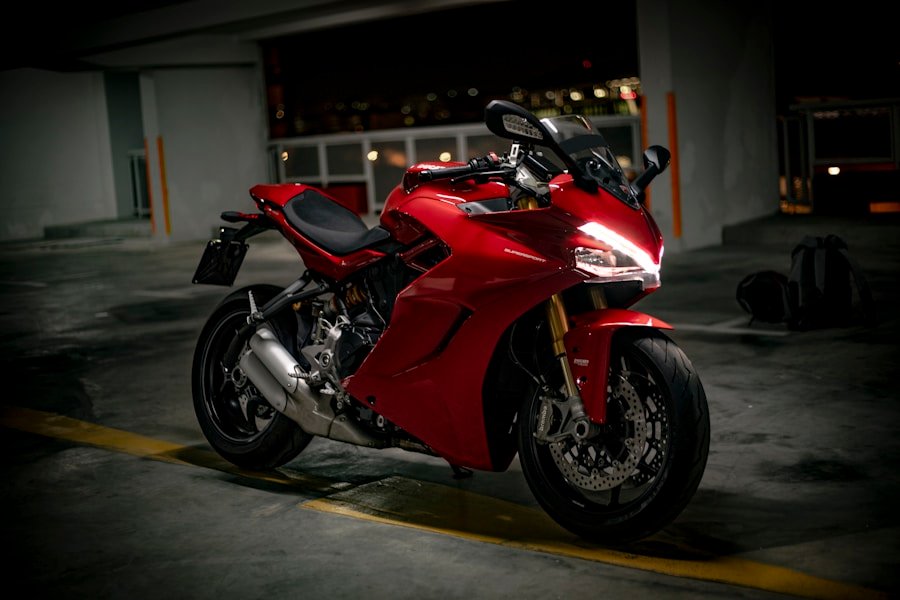
Who Needs Motorcycle Insurance: Registered motorcycle owners, operators on public roads, financed motorcycle purchasers, leased motorcycle operators, off-road and track riders, collectors and vintage bike owners, and high-value motorcycle owners. Owners of premium brands such as BMW, Ducati, Harley-Davidson, or Indian face replacement costs of $15,000–$40,000+ that justify comprehensive physical damage coverage.
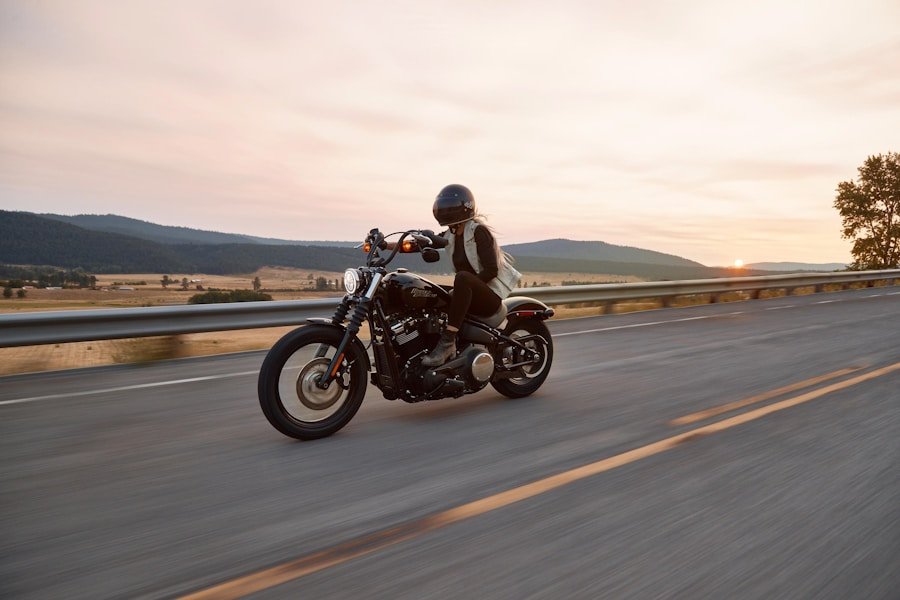
Motorcycles, Scooters & Mopeds: Motorcycles, scooters, and mopeds are distinct vehicle types with different engineering, legal classifications, and insurance requirements. Mopeds are generally defined as low-speed motorized bicycles with pedals — the exact definition varies significantly by state.
Seasonal Coverage & Lay-Up Options: A lay-up endorsement formally modifies the policy to suspend liability, collision, and uninsured motorist coverages during a specified storage period while keeping comprehensive coverage active. During a declared lay-up period, the motorcycle cannot be ridden on public roads. Proper storage requires enclosed storage, battery maintenance, fuel stabilization, tire and fluid care, and security measures such as disc locks and chain locks.
New Rider Insurance Considerations: New riders pay more due to higher statistical accident rates. Strategies to lower premiums include completing the MSF Basic RiderCourse, choosing a beginner-appropriate bike (250cc–500cc), maintaining a clean driving record, bundling with existing policies, increasing deductibles, and taking an advanced rider course after the first year.
Key Coordination Points: Motorcycle liability and personal umbrella — ensure motorcycle liability limits meet the umbrella’s required minimums of usually $300,000 per accident; motorcycle medical payments and health insurance; riding gear and homeowners; motorcycle and auto UM/UIM.
Disclaimer: State motorcycle insurance requirements, legal definitions, and coverage terms vary significantly and are subject to change. Daly Insurance, Inc. and Daly & Alexander Insurance make no representations or warranties of any kind regarding the completeness, accuracy, or reliability of any content published online or offline, and expressly disclaim all liability for any errors, omissions, or inaccuracies. Coverage availability, terms, and pricing are subject to underwriting approval and vary by carrier, state, and individual circumstance.
Daly Insurance, Inc. | Daly & Alexander Insurance | www.dalyandalexander.com | Licensed Insurance Professionals