
At Daly & Alexander Insurance, we help boat owners across Savannah and Coastal Georgia compare coverage designed for local waterways and coastal use.
Around here, a boat isn’t a luxury — it’s how you live. Weekends mean redfish in the sound, sandbar afternoons off Tybee, sunset runs up the Wilmington River, or just idling out of a Thunderbolt marina with the cooler packed. Coastal Georgia gives you tidal creeks, the Intracoastal Waterway, and the open Atlantic, all within a few minutes of the dock.
It also gives you shifting sandbars, oyster rakes that eat lower units, summer squalls, and a hurricane season that every boat owner on this coast has to plan around. That’s why boat insurance here isn’t a checkbox — it’s part of owning the water responsibly.
Barely. Most homeowners policies offer only minimal coverage for watercraft — often capped around $1,000 to $1,500 in physical damage, usually limited to small boats with small motors, and with little or no liability protection once you’re underway. If your boat is anything more than a jon boat with a trolling motor, you need a dedicated boat policy. Full stop.
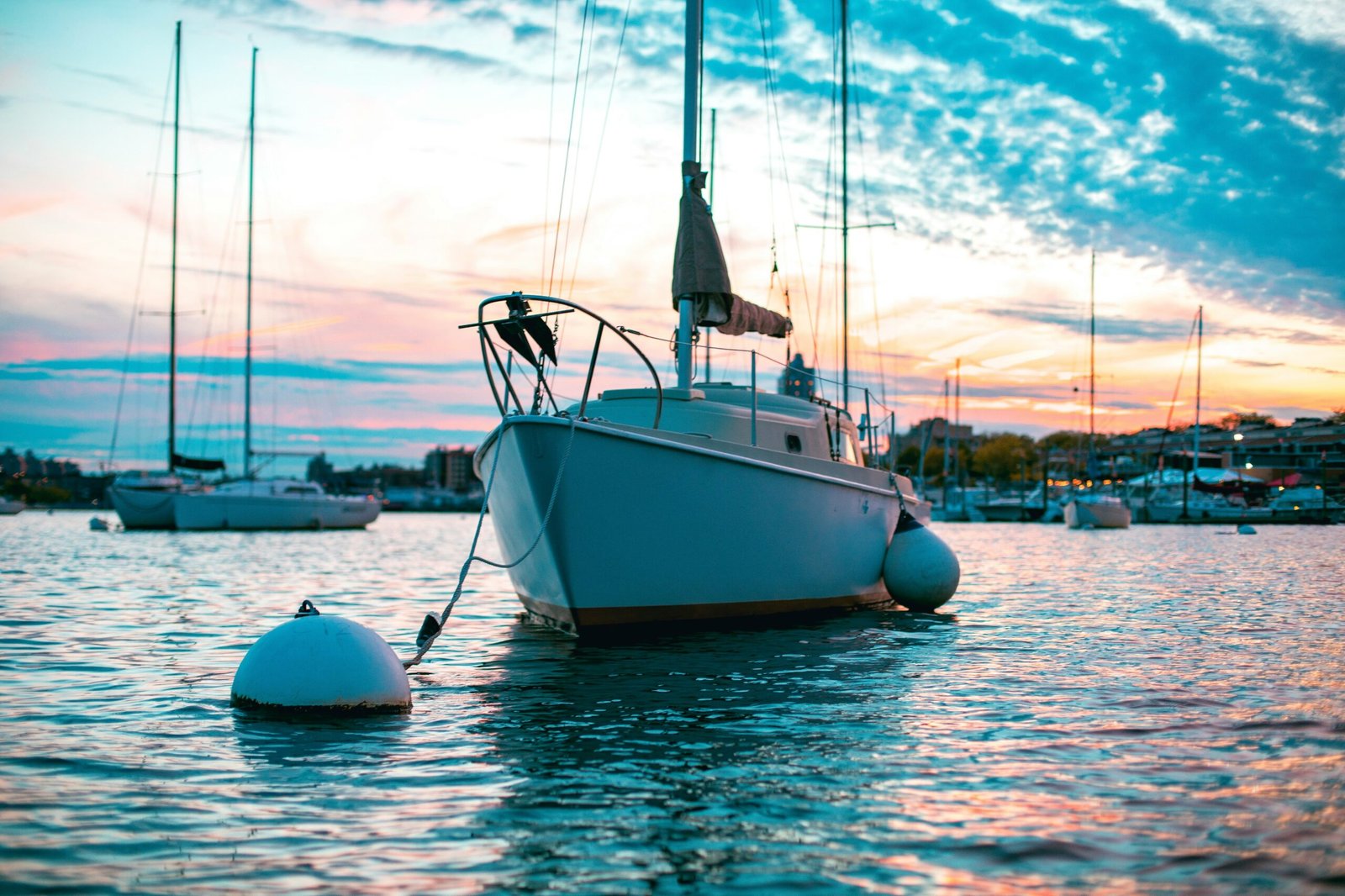
Hull coverage protects the boat itself — plus the motor, trailer, and permanently attached equipment — against collision, sinking, storms, fire, theft, and striking submerged objects. That last one matters in our waters: hit an oyster bed or a sandbar at low tide and the repair bill on a modern outboard adds up fast.
One detail worth understanding before you buy: agreed value vs. actual cash value. An agreed value policy pays a set amount if your boat is totaled — no depreciation haircut. An actual cash value policy pays what the boat was worth at the time of loss, which shrinks every year. Agreed value costs a bit more and is usually worth it, especially on newer boats.
Liability coverage pays for injuries and damage you cause with the boat — another boater, a swimmer, a dock, a skier you’re towing. On busy summer water between Tybee and the sound, this is the coverage protecting your savings.
Uninsured boater coverage protects you when the at-fault boater has no insurance. Georgia doesn’t require boat insurance by law, which means plenty of boats on our water are running bare. If one of them hits you, this is what pays.
Medical payments covers injuries to you and your passengers, regardless of fault.
The extras that matter on this coast:
A breakdown in the sound means a tow bill that can run into the hundreds or more. Towing coverage — or pairing your policy with a towing membership — turns that into a non-event.
If your boat sinks, federal law can make you responsible for cleanup and raising the wreck. Good policies include this; cheap ones sometimes don't.
Rods, reels, electronics, coolers, and tackle add up to real money on a serious fishing boat.
Your boat spends a lot of its life on Highway 80 and I-95. The trailer needs protection too — and your auto policy's liability extends to a trailer you're towing, but not to damage to the trailer or boat itself.
Insuring a boat on the Georgia coast means thinking about named storms before they think about you.
Named storm deductibles. Like coastal home policies, many boat policies carry a higher deductible for named storm damage. Know your number before June.
Haul-out coverage. Some policies reimburse part of the cost of hauling and storing your boat ashore when a named storm approaches — which is both cheaper for everyone and the single best way to save the boat. Ask us whether your policy includes it.
Have a storm plan. Some carriers ask where the boat goes when a hurricane threatens. A documented plan — a trailer and a driveway inland in Rincon, or a haul-out arrangement with your marina — can help both your rate and your outcome.
The binding freeze. Once a storm is named and approaching, carriers stop writing new coverage. The week before landfall is the one week you can’t buy a policy. Get covered before the season heats up.
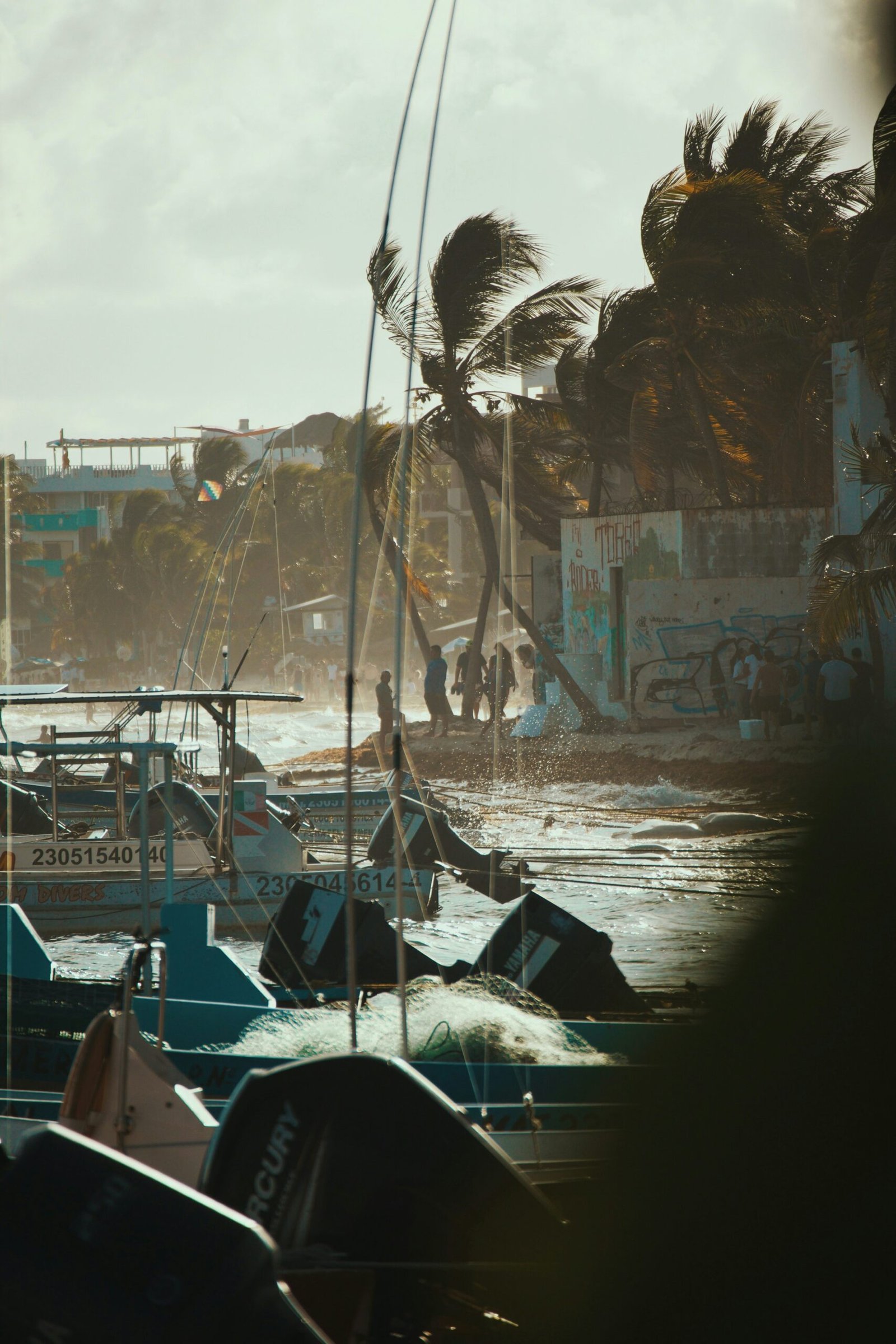
As a rough rule of thumb, boat insurance often runs about 1–2% of the boat’s value per year — so a $40,000 center console might cost somewhere in the range of $400 to $800 annually, though coastal exposure, horsepower, and how you use the boat all move the number. Ways to bring it down: complete a boating safety course, bundle with your home and auto, choose a sensible deductible, and keep a clean record on the water. Slower boats, stored ashore, cost less to insure than fast ones kept in a wet slip — no surprise there.

We insure boats across the greater Savannah area and the Georgia coast, including:
Savannah, Pooler, Garden City, Port Wentworth, Bloomingdale, Thunderbolt, Tybee Island, Vernonburg, Rincon, Springfield, Guyton, Richmond Hill, and Pembroke.
From center consoles in Thunderbolt marinas to bay boats trailered out of Richmond Hill, jon boats fishing the Ogeechee, and jet skis running off Tybee, we’ll match the policy to your boat and your water.
Boat policies hide their differences in the details: agreed value or cash value, whether your navigational limits cover the offshore runs you actually make, how the policy treats a boat in a wet slip versus dry storage, what happens during a named storm. We ask the questions an online form doesn’t, compare carriers that know coastal Georgia water, and we’re here in Savannah when something goes wrong — whether that’s a claim or just a question before a trip.
Usually permissive users are covered, but age and experience rules vary by carrier. Tell us who runs the boat and we’ll make sure the policy matches.
It takes just a few minutes, and there’s no obligation. Tell us about your boat — make, length, horsepower, where it lives, and how you use it — and we’ll compare coverage from carriers that understand this coast.
The water’s calling. Answer it covered.