
Your homeowners policy won’t cover a house that doesn’t exist yet. Here’s what will.
Picture this. You’re six weeks into building a new home off Highway 17. The framing is up, the roof is dried in, and thirty thousand dollars’ worth of lumber and windows sits on site. Then a tropical storm spins up off the coast, and by morning half of your framing is on the ground.
Who pays for that?
If you don’t have builders risk insurance, the answer might be you. Not your homeowners policy. Not your contractor’s general liability. You.
That’s the gap builders risk insurance exists to fill, and if you’re building or renovating anywhere in the Savannah area, from Pooler to Richmond Hill to the Historic District, it’s one of the smartest purchases you’ll make on the whole project.
What Is Builders Risk Insurance?
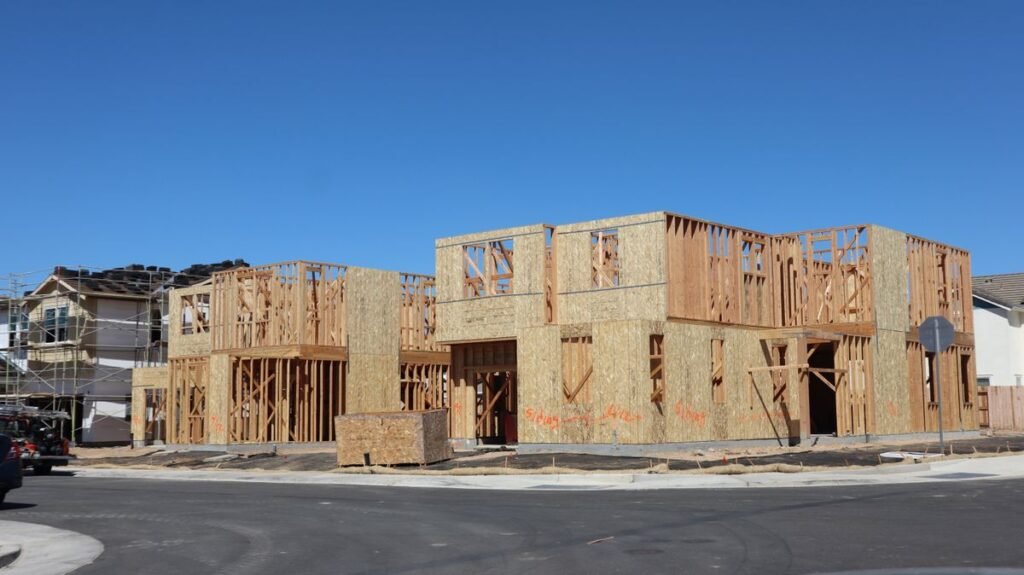
Builders risk insurance, sometimes called course of construction insurance, is a temporary property policy that covers a building while it’s being built or renovated. It protects the structure itself, plus the materials, fixtures, and equipment that will become part of it, whether they’re installed, sitting on site, in transit, or stored at another location.
Think of it as homeowners insurance for a home that isn’t a home yet. A standard property policy assumes a finished, occupied building. A construction site is a different animal: open framing, no locks on anything, expensive materials stacked in the yard, subcontractors coming and going. Insurers price and cover that risk separately, which is exactly what a builders risk policy does.
The policy runs for the length of the project, typically three, six, or twelve months, and ends when construction is complete and the building is occupied or sold. At that point, a regular homeowners or commercial property policy takes over.
Why Savannah Projects Carry More Risk Than Most
Builders risk insurance matters everywhere. In coastal Georgia, it matters more. A few reasons why.
Hurricane season lasts half the year
The Atlantic hurricane season runs June through November, which means any project longer than a few months in Savannah will likely overlap with it. A partially built structure is far more vulnerable to wind than a finished one. No sheathing, no shingles, no windows means wind and rain get inside and do real damage fast. Even a garden-variety summer thunderstorm can soak exposed subflooring or flatten braced walls.
Heat, humidity, and sudden downpours
Savannah’s climate is famously humid, and afternoon storms can dump inches of rain with little warning. Water intrusion during construction leads to warped lumber, ruined drywall, and mold, problems that are expensive to fix and even more expensive to discover later.
A busy construction market attracts theft
The Savannah metro has been growing quickly, with new subdivisions, port-related industry, and steady infill construction. Busy markets are good news for builders and, unfortunately, for thieves. Copper wire, appliances, lumber, and power tools disappear from job sites all the time, and material prices in recent years have made stolen loads more valuable than ever. Builders risk coverage typically includes theft of materials (though not the contractor’s own tools, more on that below).
Historic renovations raise the stakes
Renovating a 150-year-old townhome near Forsyth Park is a different project than framing a new build in Pooler. Older structures hide surprises, and fire risk during renovation, from soldering, sanding, or temporary wiring, is real. A builders risk policy written for renovation can cover both the new work and, depending on how it’s structured, the existing structure while work is underway.
What Does Builders Risk Insurance Cover?
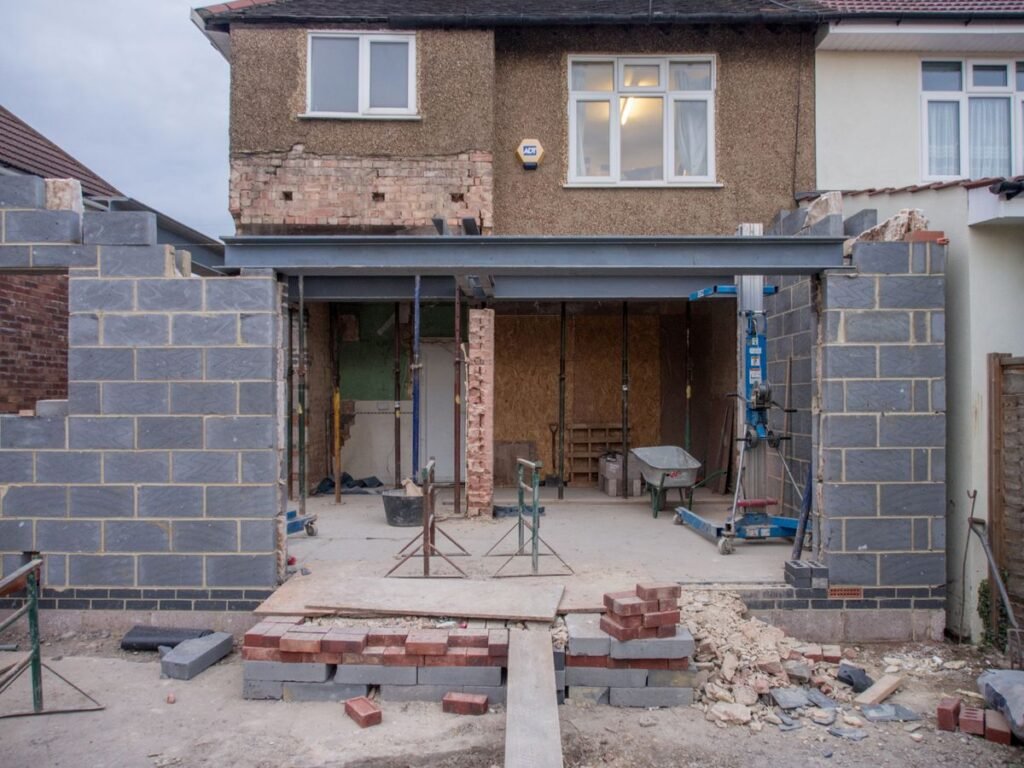
Policies vary, and the details matter, but a typical builders risk policy covers damage to the structure and materials caused by:
- Fire and lightning — the classic construction-site catastrophe, and one of the most common large claims
- Wind and hail — critical on the Georgia coast, though wind coverage terms deserve a close read here (some coastal policies carry separate wind deductibles or exclusions)
- Theft of building materials — lumber, wire, appliances, and fixtures that haven’t been installed yet or were just installed
- Vandalism — broken windows, graffiti, deliberate damage to the structure
- Vehicle or aircraft damage — a delivery truck backing into your framing counts
- Materials in transit and off-site storage — many policies extend coverage to materials on the way to the site or stored elsewhere
Many policies can also be endorsed to cover what are called soft costs: the ripple-effect expenses of a covered loss. If a fire sets your project back four months, you may face extra loan interest, extended permit fees, additional architect fees, and lost rental income on an investment property. Soft cost coverage helps absorb those.
What It Doesn’t Cover
Just as important is knowing where the policy stops. Builders risk generally does not cover:
- Liability — if a worker or visitor is injured on site, that’s the territory of general liability and workers’ compensation, not builders risk
- Faulty workmanship or design — the policy pays for accidents, not for redoing a bad job (though resulting damage from a covered peril may still apply)
- Contractor tools and equipment — a contractor’s own tools are usually insured under separate inland marine or equipment coverage
- Normal wear, rust, and gradual deterioration
- Flood and earthquake — usually excluded by default, though flood coverage can sometimes be added by endorsement or purchased separately, which is worth a serious conversation in low-lying parts of Chatham County
The takeaway: builders risk protects the thing being built. It works alongside, not instead of, liability coverage, workers’ comp, and flood insurance. A good agent will help you see how the pieces fit together so nothing falls through the cracks.
Who Needs a Builders Risk Policy in Savannah?
More people than you’d think. The policy can be purchased by whoever has a financial stake in the project, and often several parties are named on it.
Homeowners building a custom home. If you own the lot and you’re financing the build, you have skin in the game from day one. Many construction lenders in Georgia actually require proof of builders risk coverage before they’ll release funds.
Homeowners doing major renovations. Adding a second story, gutting a kitchen, converting a carriage house? Your existing homeowners policy may exclude or limit damage connected to major construction, and it definitely won’t cover the new materials properly. A renovation builders risk policy closes that gap.
General contractors and custom builders. If your contract makes you responsible for the work until handover, you’re carrying the risk. One uninsured fire can erase years of profit. Many contractors carry a reporting-form policy that covers all their projects as they start.
Real estate investors and house flippers. A vacant house under renovation is a magnet for theft and vandalism, and standard landlord or homeowner policies typically won’t respond during a gut renovation. Flippers in Savannah’s older neighborhoods should treat builders risk as a cost of doing business.
Developers and commercial builders. From a new restaurant build-out downtown to a warehouse near the port, commercial course of construction coverage protects projects that can run into the millions.
Builders Risk vs. Homeowners Insurance: A Costly Mix-Up
Here’s the mistake we see most often. A homeowner assumes their existing policy, or the contractor’s insurance, has the project covered. Both assumptions can go wrong.
A homeowners policy is built around an occupied, finished dwelling. Start a major renovation and you may run into vacancy clauses, exclusions for construction-related damage, and coverage limits that don’t come close to the value of new materials on site. Some insurers can even decline claims on a home left vacant during a long remodel if they weren’t notified.
A contractor’s general liability policy, meanwhile, covers injuries and damage the contractor causes to other people and their property. It doesn’t pay to rebuild your half-finished house after a lightning strike.
The fix is simple: before work begins, sort out in writing who is buying the builders risk policy, you or your contractor, and make sure the policy names everyone with a stake in the project, including your lender if you have one.
How Much Does Builders Risk Insurance Cost in Savannah, GA?
Less than most people expect, especially compared to what it protects. As a rough industry rule of thumb, builders risk premiums often land somewhere between one and four percent of the total construction budget, with many straightforward residential projects at the lower end. On a $400,000 build, that might mean a few thousand dollars for the entire course of construction, a small line item next to the cost of losing the project itself.
Your actual premium depends on factors like:
- The total completed value of the project (structure plus materials and labor)
- Location, and in coastal Georgia, distance from the water matters for wind pricing
- New construction vs. renovation, since remodels of older structures often cost more to insure
- Construction type and materials, frame vs. masonry, for example
- Project length and the policy term you choose
- Site security measures like fencing, lighting, and cameras
- Deductibles and optional coverages such as soft costs or flood
One practical tip: insure the project for its full completed value, not just what you’ve spent so far. Underinsuring to save a little on premium is the classic way to end up short after a total loss.
Two Quick Stories That Make the Case
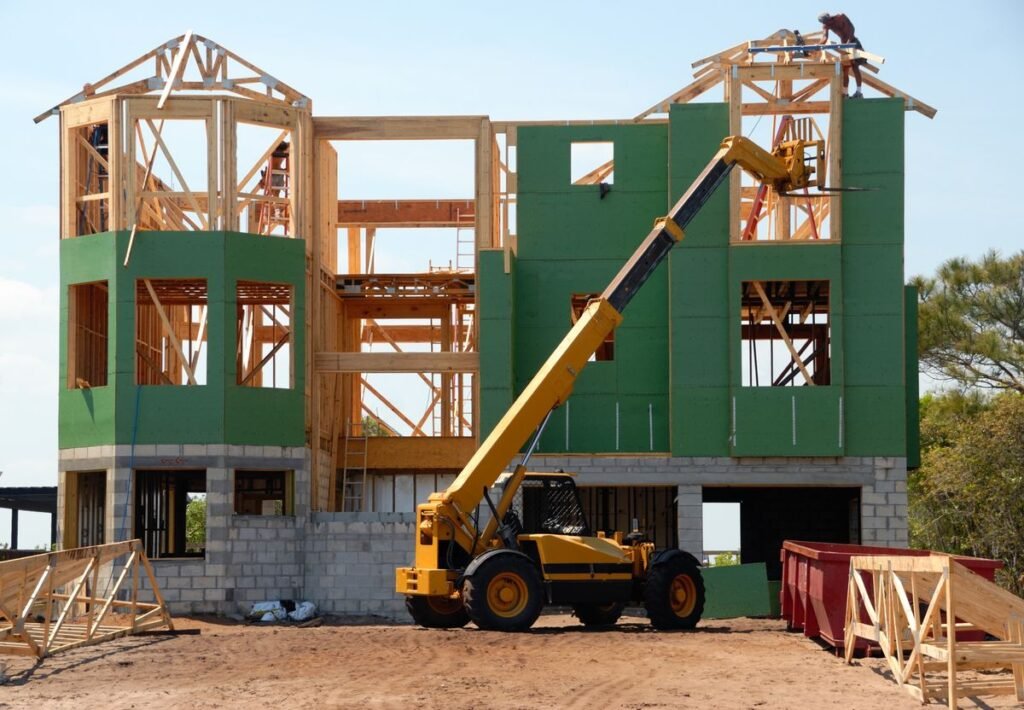
The framing loss. A family building in a new subdivision west of Savannah had their home framed and roofed when a severe thunderstorm with straight-line winds came through overnight. Several framed walls collapsed and engineered trusses were damaged beyond use. With builders risk in place, the policy paid for demolition of the damaged sections, replacement materials, and re-framing labor. Without it, the family would have been negotiating with their contractor over tens of thousands of dollars neither party had budgeted.
The renovation theft. An investor renovating a vacant bungalow had just taken delivery of appliances, HVAC equipment, and copper wiring for a Friday install. Over the weekend, all of it walked off. Because materials on site were covered under the builders risk policy, the loss was a deductible and a delay instead of a project-killing hit.
Neither story is exotic. These are the ordinary ways construction projects lose money, and they happen in Chatham County every year.
How to Get the Right Policy
A few things to nail down before you break ground:
- Buy it before work starts. Coverage should begin the day materials arrive or ground is broken, whichever comes first. Insurers generally won’t backdate a policy onto a project already underway without a fresh look.
- Match the term to a realistic schedule. Savannah weather and supply chains cause delays. Choose a term with room to spare, and ask how extensions work.
- Read the wind and water provisions carefully. On the coast, wind deductibles, named-storm terms, and flood exclusions are where policies differ most.
- Name every stakeholder. Owner, general contractor, subcontractors as their interests appear, and the lender.
- Ask about soft costs and off-site coverage. Cheap to add, painful to miss.
- Work with someone local. An agent who insures projects in coastal Georgia every week knows which carriers write here, how they treat wind, and what a fair price looks like.
The Bottom Line
Every construction project in Savannah spends months exposed to wind, water, fire, and theft before it becomes a building anyone can lock up and live in. Builders risk insurance is how you carry that risk without betting your savings, or your business, on a run of good luck through hurricane season.
It’s temporary, it’s affordable relative to what’s at stake, and on many financed projects it isn’t optional anyway. Get it in place before the first load of lumber hits the ground, and you can spend the build worrying about paint colors instead of weather radar.
Protect Your Savannah Project Today
Get a fast, no-obligation builders risk insurance quote from a local independent agency that knows coastal Georgia construction inside and out.Get Your Free Builders Risk Quote
Photos courtesy of Pexels (royalty-free, no attribution required under the Pexels license). This article is for general information only and is not insurance, legal, or financial advice. Coverage terms, conditions, and exclusions vary by policy and carrier — review your policy documents and speak with a licensed agent about your specific project.