
Coastal Georgia is building like never before. Subdivisions are going vertical across Pooler and Richmond Hill, the manufacturing boom up the corridor is pulling new rooftops into Rincon, Guyton, and Springfield, and custom homes keep rising on the islands and along the water. Every one of those projects shares a strange insurance problem: for months, there’s a very expensive, half-finished building that no standard policy covers.
A homeowners policy can’t insure a house that isn’t a home yet. A commercial property policy wants a completed building. In between — from the first load of lumber to the certificate of occupancy — the project needs its own coverage. That’s builders risk insurance, also called course of construction coverage, and if you’re building anything around Savannah, it belongs in the budget next to the concrete.
From foundation to framing to finish work, the building under construction is covered against fire, lightning, wind, hail, vandalism, and theft. Fire is the risk underwriters lose sleep over — temporary power, cutting and welding, and a site full of raw lumber — but on this coast, wind runs a close second.
This is the part that surprises people. Builders risk typically covers materials before they're installed: the cabinet package sitting in the garage, the lumber drop in the yard, the windows on a truck between the supplier and the site, the fixtures waiting in a rented storage unit. On a custom home, uninstalled materials can represent six figures at peak — and job sites full of lumber, copper, and appliances are theft magnets. Around fast-growing areas, materials theft isn't a hypothetical; it's a Tuesday.
When a covered loss delays the project, the damage isn't just physical. Extra loan interest, extended permit fees, re-inspection costs, additional architect fees — soft cost coverage picks up these ripple expenses. For anyone building with a construction loan, this option deserves a hard look.
After a loss, someone has to haul off the wreckage before rebuilding starts. Good policies include it; it's worth confirming yours does.
Knowing the edges of the policy prevents ugly surprises:
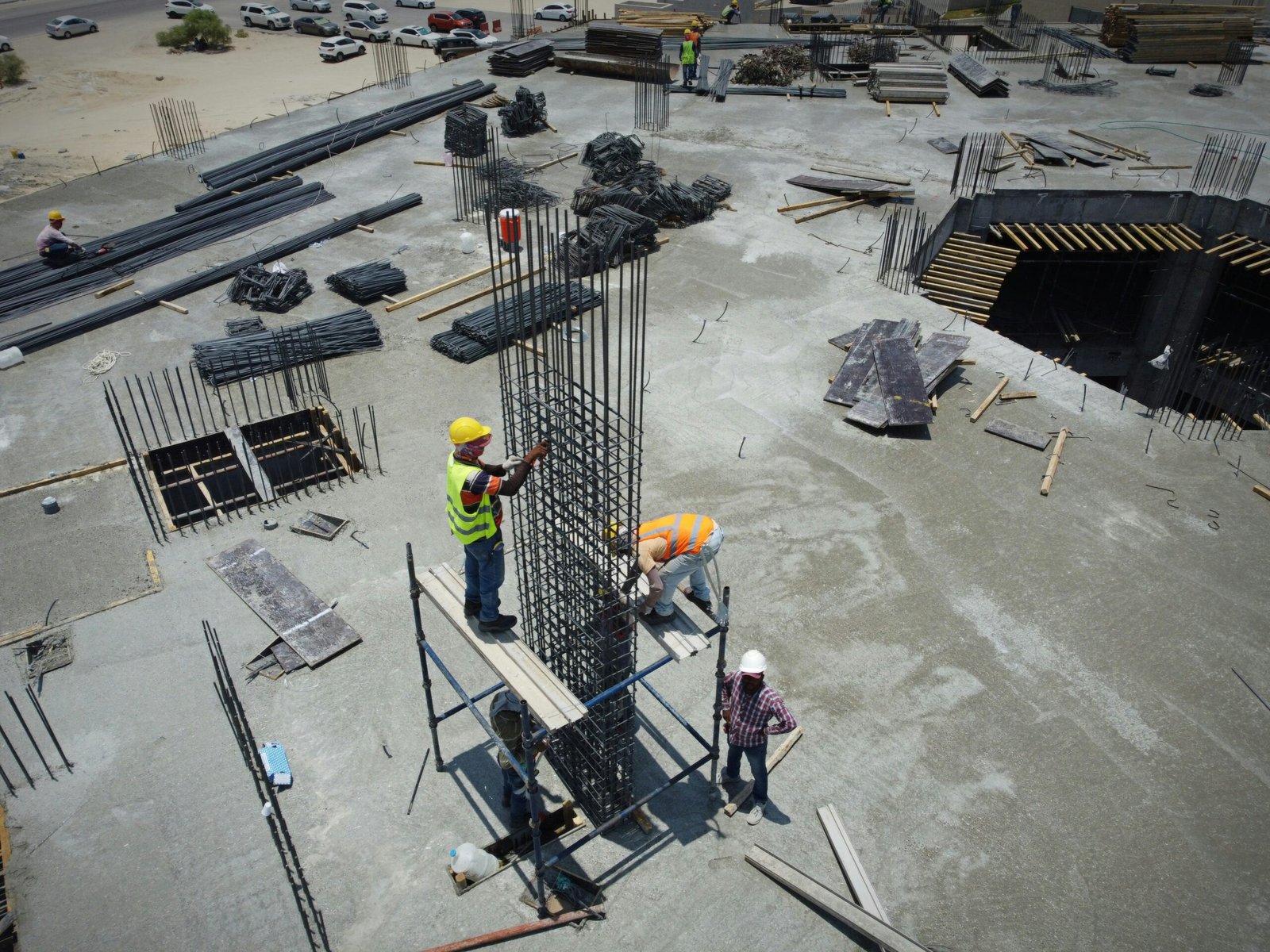
Either can, and your construction contract should say which. Sometimes the general contractor carries builders risk and builds it into the price; sometimes the owner buys it directly, which gives you control over limits, deductibles, and who’s protected. Whichever way it goes, the policy should name everyone with skin in the game — owner, general contractor, and often subcontractors and the construction lender — as insureds. A policy that protects only one party invites finger-pointing after a loss. If you’re an owner and your builder says “I’ve got insurance,” the right follow-up is: “Builders risk for this project, naming me — can I see the certificate?” We help owners and builders get this structure right every week.
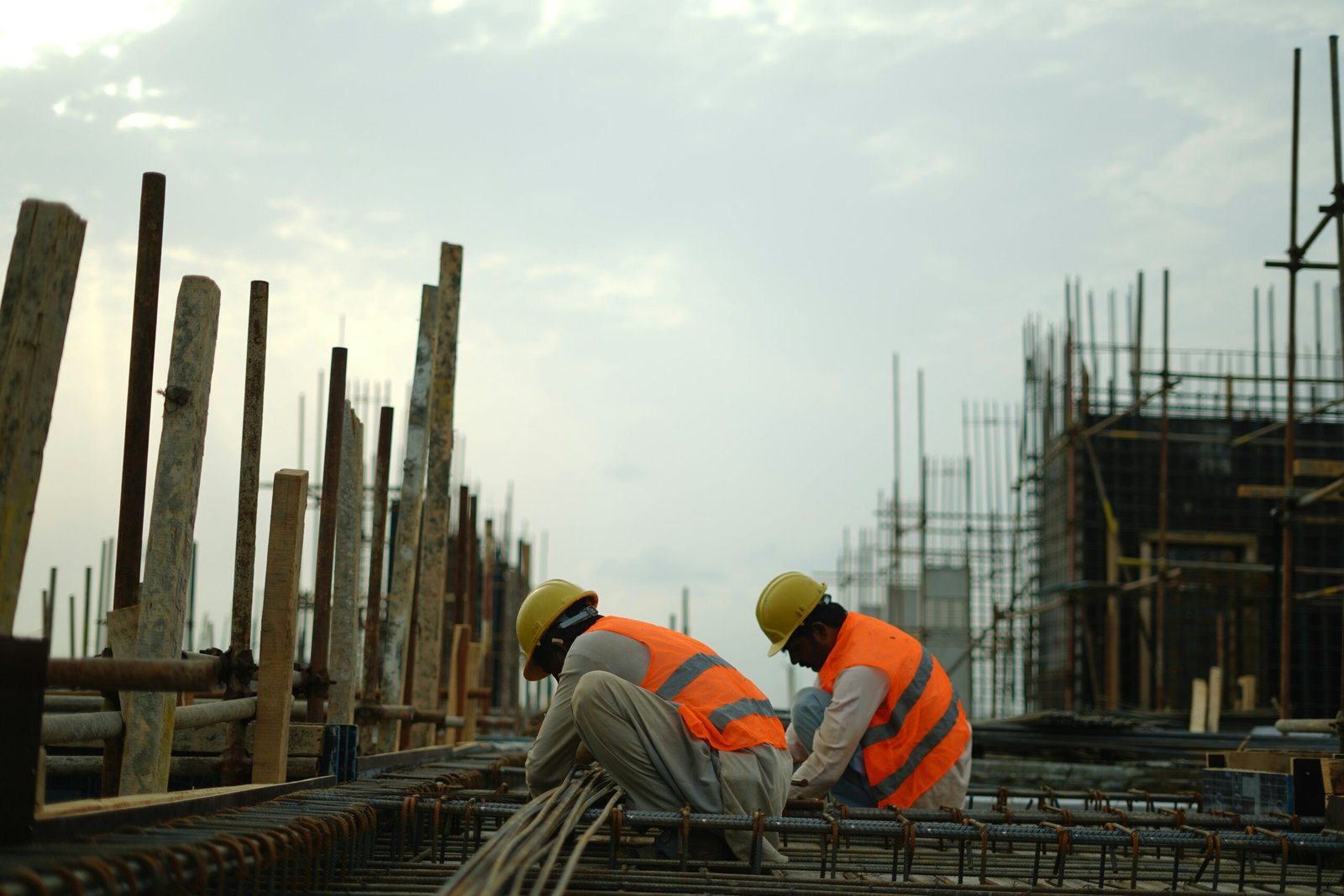
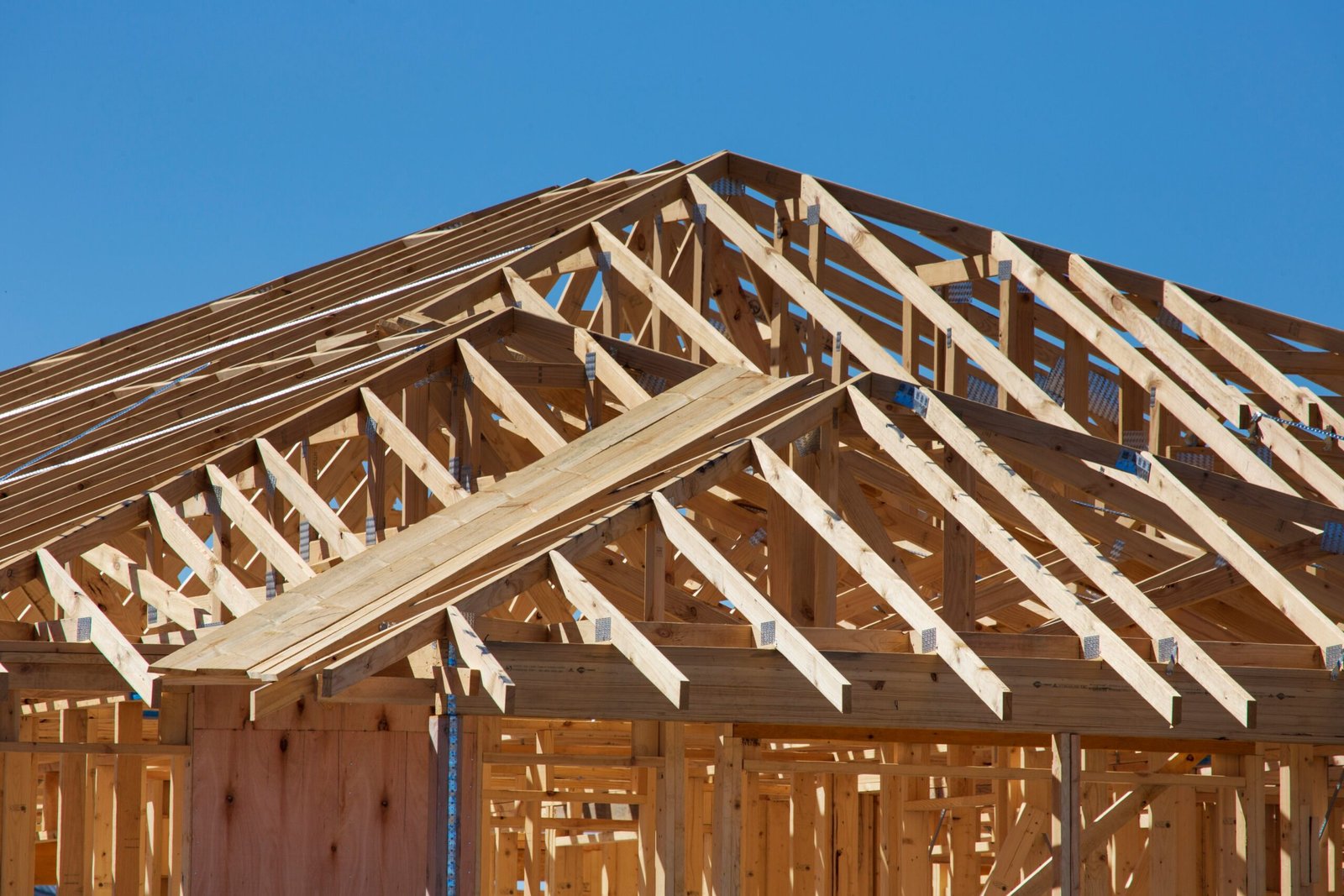
A house is never more vulnerable to wind than the week it’s framed and not yet sheathed and strapped. Building on the Georgia coast means planning for that:
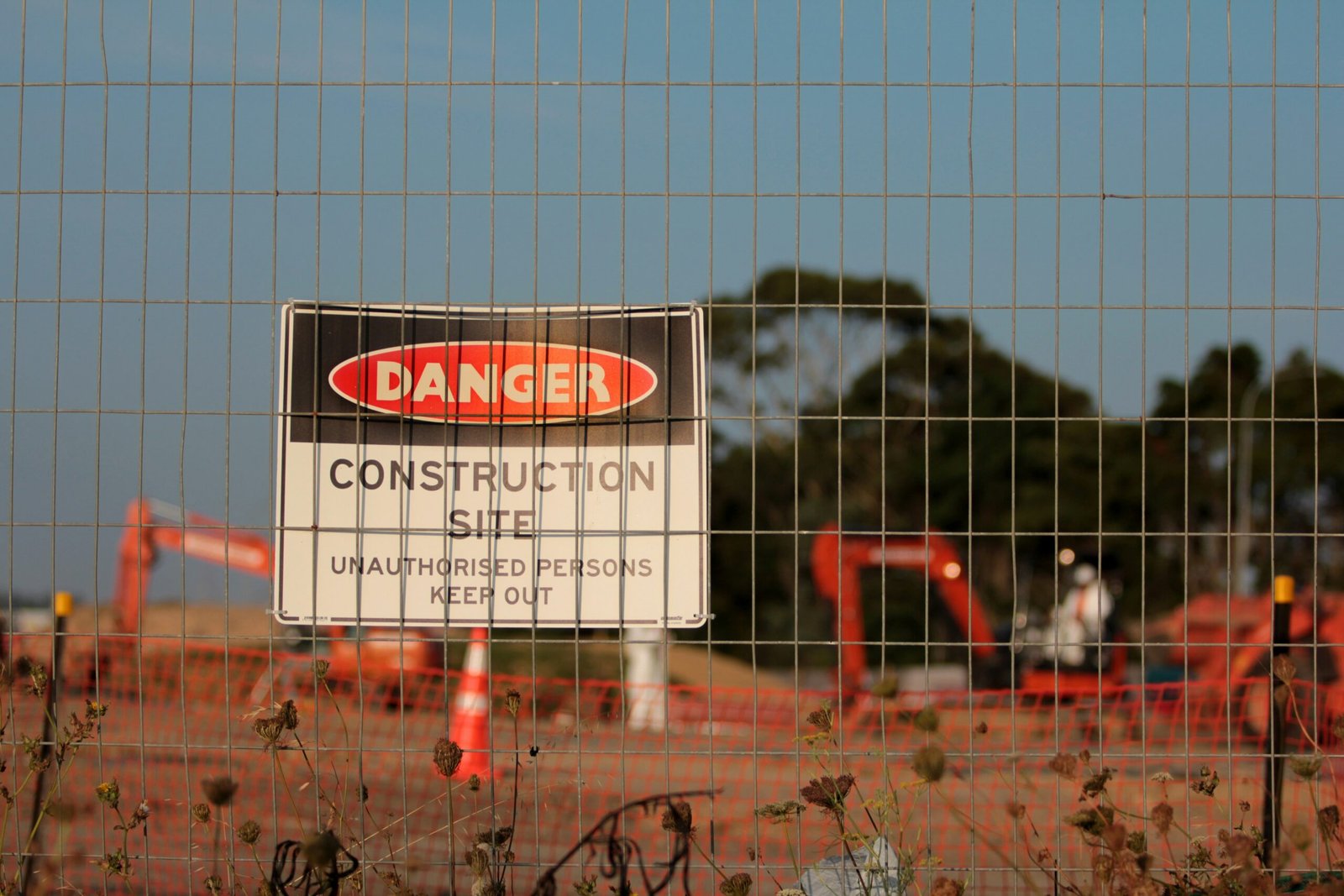
A common rule of thumb runs 1% to 4% of the total construction budget for the full project term — so a $400,000 build might see a premium somewhere in the four figures, with coastal wind exposure, construction type, project duration, and site security setting the final number. Fenced sites, cameras, lighting, and locked material storage help both your risk and your rate. And because the builders risk market prices coastal Georgia very differently from carrier to carrier, this is a line where comparison shopping through an independent agency genuinely moves the number.
We write builders risk coverage across the greater Savannah area and the Georgia coast, including:
Savannah, Pooler, Garden City, Port Wentworth, Bloomingdale, Thunderbolt, Tybee Island, Vernonburg, Rincon, Springfield, Guyton, Richmond Hill, and Pembroke.
Custom homes on Tybee Island and the islands, spec builds in Pooler and Richmond Hill, workforce housing in Rincon and Springfield, additions and major projects in Savannah’s historic neighborhoods — if it’s under construction, we can cover it.
Builders risk is a contract-driven coverage, and the details live in the paperwork: who’s named on the policy, how materials in transit are treated, whether soft costs are included, what the named-storm deductible really is, and when coverage starts and stops. We read the construction contract, structure the policy to match it, compare carriers that actually want coastal construction risk, and handle the day-one and day-last transitions — so the project is covered from the first nail to the moment it becomes someone’s home, with no gap at either end.
Yes — major renovations and additions can be written on builders risk forms, often covering the existing structure plus the new work. If the property will also sit vacant during the project, tell us; that combination needs to be structured carefully.
It takes just a few minutes, and there’s no obligation. Tell us about the project — location, budget, timeline, and who’s involved — and we’ll structure coverage that protects it from groundbreaking to move-in.
You’re building something worth protecting — before it’s even finished.