
Yes. Almost certainly yes.
But “can I get coverage” isn’t really the question that matters. Two very different things get tangled together here — whether a carrier will write you, and what they’ll actually pay when a storm takes your shingles. You can have a policy in hand and still be badly exposed.
Here’s how roof age works in coastal Georgia, and what a Savannah homeowner at year 20 should do about it.
The thresholds carriers actually use
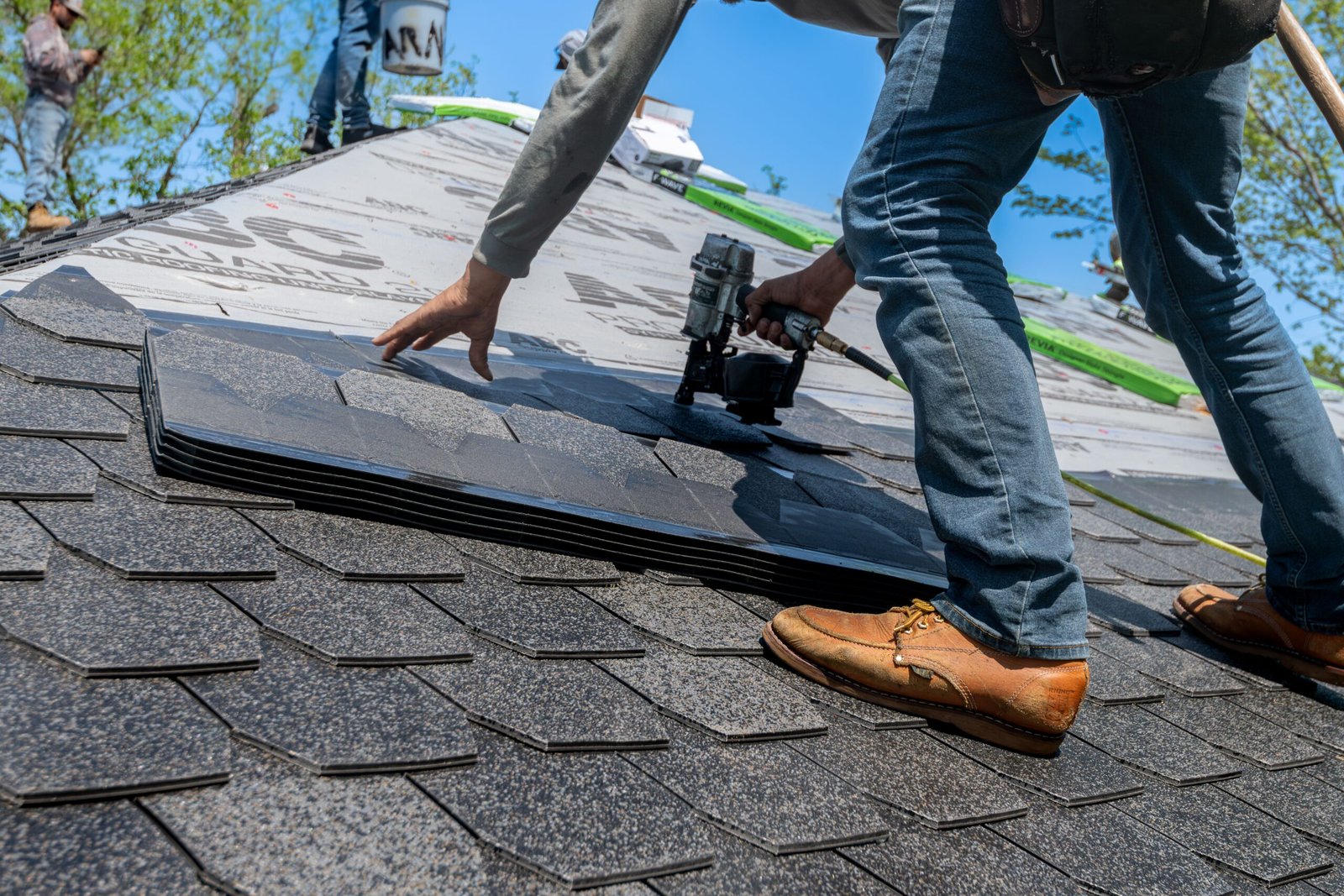
Roof age is the fastest shortcut underwriters have for guessing claim risk. The industry runs on rough age bands:
- Under 10 years. Full replacement cost coverage, usually no inspection.
- 10 to 15 years. Some carriers start asking for photos or an inspection report. Premiums may tick up.
- 15 years. A few carriers stop writing new policies here.
- 20 years. Many switch your roof from replacement cost to actual cash value at renewal.
- 25 years and up. The pool of carriers gets genuinely thin.
Metal roofs typically get five to ten extra years before any of this kicks in, thanks to a longer expected lifespan.
Note what’s happening at 20: it’s usually not a decline. It’s a change in settlement terms. That’s a much quieter event, and a much more expensive one.
The number that should worry you
Say your roof would cost $18,000 to replace, and your deductible is $2,000.
With replacement cost coverage: a storm takes the roof, you pay the $2,000, the carrier writes a check for $16,000.
With actual cash value: the adjuster subtracts depreciation first. On a 20-year-old roof, that might be $9,000. You’re now paying $11,000 out of pocket on an $18,000 job.
Same storm. Same policy number. Same premium, more or less. A difference of nine thousand dollars.
Carriers often use a roof payment schedule that pays 100% at zero to five years and steps down to roughly 20% at 21 years and beyond. On some schedules, depreciation cuts a payout by 60% to 80%.
Now stack the Savannah layer on top
Here’s what makes this sharper in Chatham County than in Macon.
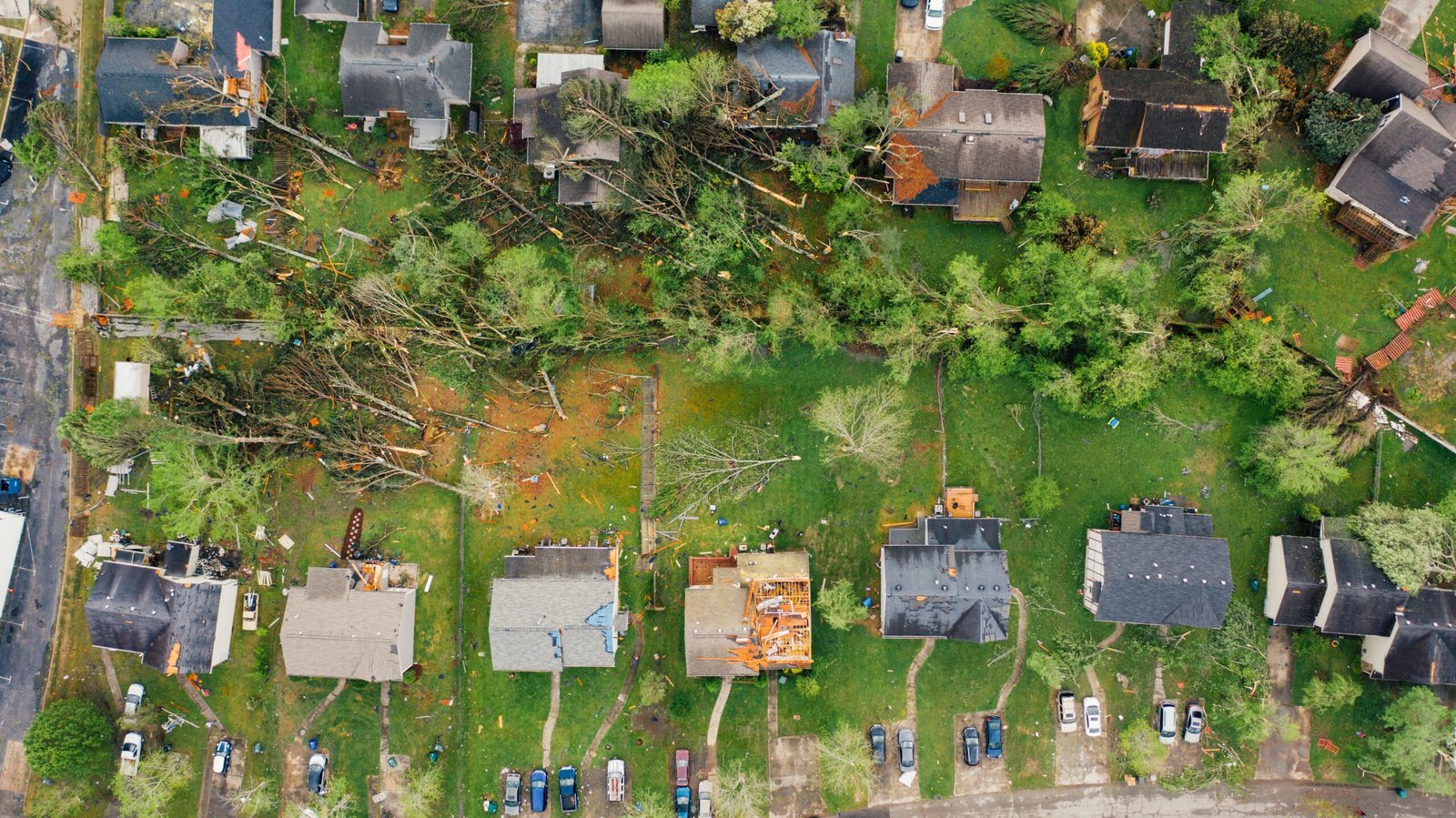
Your coastal policy almost certainly carries a percentage-based wind, hail, or named storm deductible — commonly 1% to 5% of your dwelling coverage, not a flat dollar amount. On a $450,000 home at 2%, that’s $9,000 before the carrier pays anything.
Run the two together on a 22-year-old roof:
$18,000 roof. Named storm deductible of $9,000. Depreciation of $9,000. Your claim pays zero.
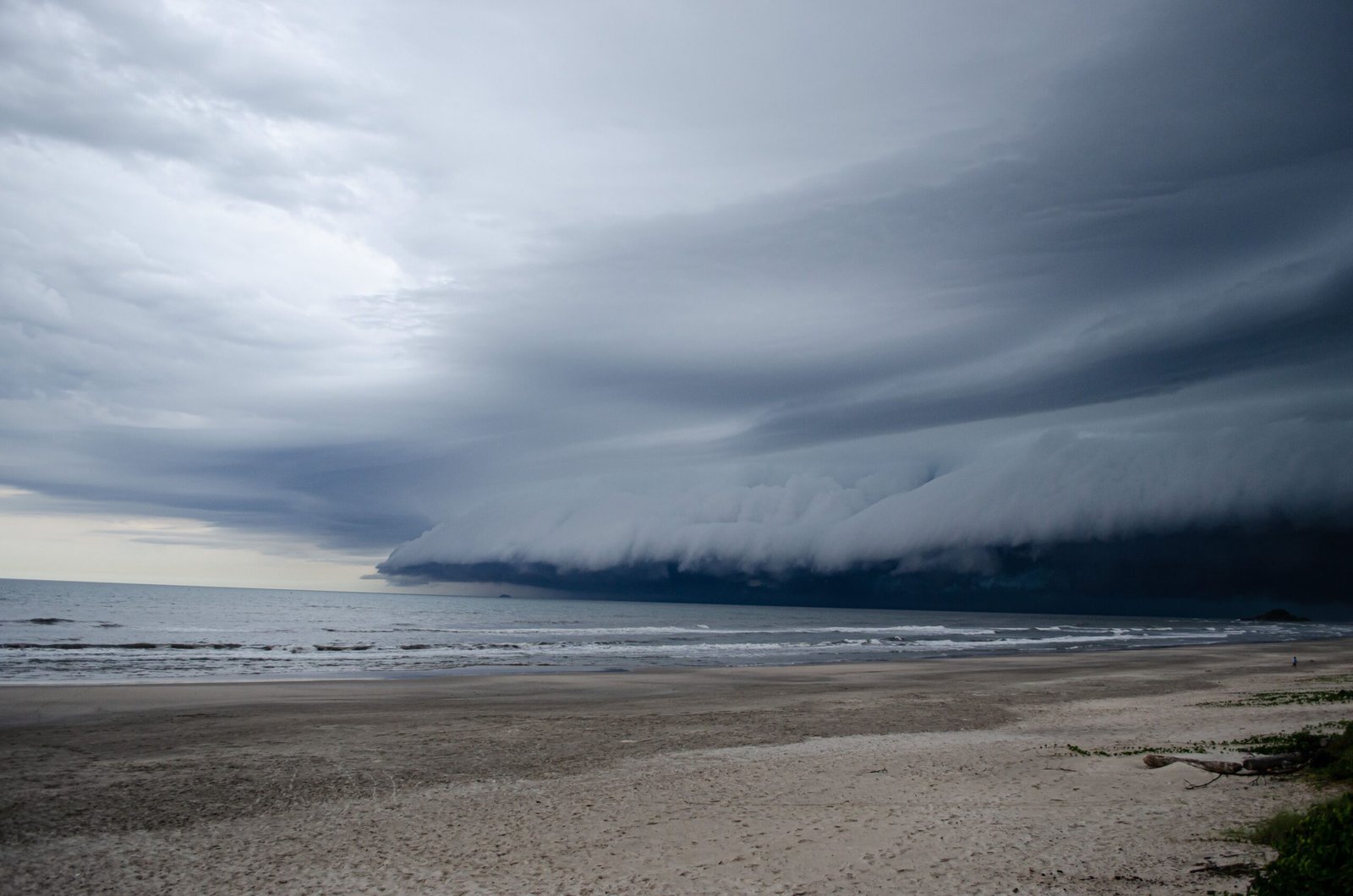
That’s not a hypothetical edge case. It’s ordinary arithmetic on a coastal policy with an aged roof, and it’s the single best argument for handling this before hurricane season rather than during it.
What age does not do
One important correction, because a lot of homeowners assume the worst.
Roof age alone does not void your claim. Coverage turns on cause. If a covered peril — wind, hail, a falling limb — causes sudden damage, that’s a claim, and the policy can’t deny it purely because the roof is old.
What is excluded is wear and tear. Gradual deterioration, worn-out shingles, a slow leak nobody addressed. If an adjuster can attribute the failure to age rather than to the storm, that’s the denial. The older the roof, the easier that argument becomes.
Which is why documentation matters so much. Photograph your roof before storm season, from several angles. Keep inspection reports and maintenance receipts. That file is the difference between “storm damage” and “it was already like that.”

Read your renewal. Seriously.
The switch from replacement cost to actual cash value frequently arrives as an aged roof endorsement tucked into renewal paperwork. No phone call. No conversation. Just different words on a page most people never open.
Homeowners discover it when they file a claim, which is precisely too late.
Look for anything referencing roof settlement, roof surfacing, an ACV endorsement, or a roof payment schedule. If you find one, that’s your cue to shop — not next year, now.
What to do if you’re at 20 years
1. Get a roofer’s inspection report. Property records show installation dates; they don’t show condition. A 22-year-old roof in solid shape is a very different underwriting conversation with paperwork behind it.
2. Shop the independent market. Carrier appetites vary enormously. A company that won’t touch a 20-year roof in Thunderbolt may write the identical house elsewhere. Surplus lines carriers sit between the standard market and the Georgia Underwriting Association, and they’ll often write what admitted carriers won’t.
3. Ask one direct question at renewal: “Is my roof settled at replacement cost or actual cash value?” Get the answer in writing.
4. If replacement is close, time it deliberately. A new roof typically cuts premiums 10% to 25%, and more in wind-prone territory with impact-resistant materials.
If you’re replacing anyway, do this
Two Savannah-specific moves worth planning for.
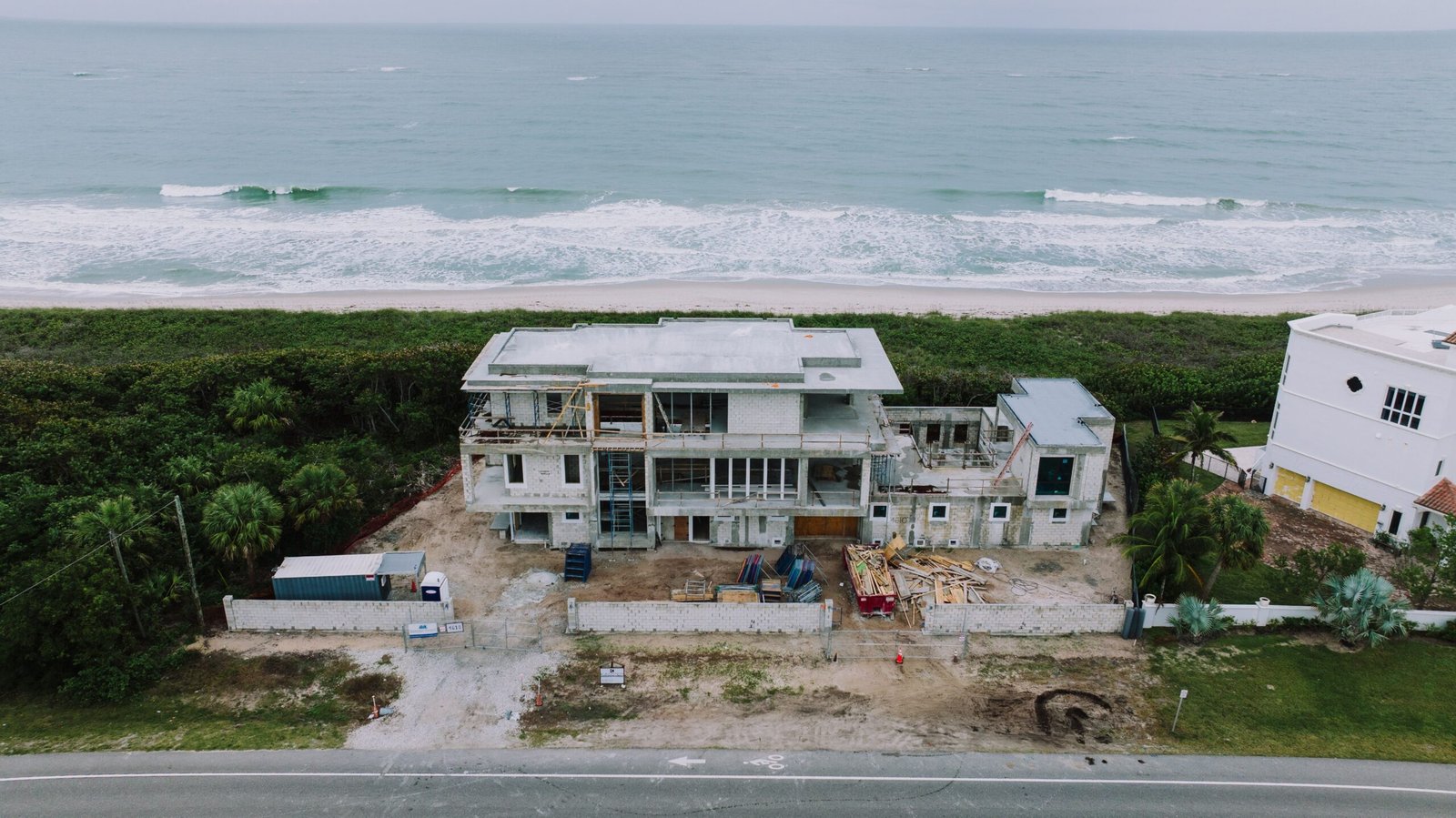
Go FORTIFIED. Georgia law has required insurers to offer premium discounts since March 1, 2025 for building or retrofitting to FORTIFIED standards. Upgrading a re-roof on a 2,000-square-foot home typically adds $1,000 to $3,000 over a standard job — a rounding error inside a full replacement, and it earns a credit on the wind portion of your premium every year afterward.
If you’re in a historic district, start early. Exterior work visible from the right-of-way requires a Certificate of Appropriateness, and approved roofing materials are specific — standing seam metal, slate, or tile rather than whatever’s on the truck. Budget more time and more money.
And if you’ve genuinely been declined everywhere, the Georgia Underwriting Association is the backstop. Treat it as a bridge, not a destination.
The short version
A 20-year-old roof in Savannah won’t leave you uninsured. It will quietly change what your policy is worth — usually at renewal, usually without anyone telling you.
Check your settlement terms. Then decide whether replacing a roof you’ll replace eventually is worth doing before the next named storm instead of after.
Want us to check whether your roof is settled at replacement cost or ACV? Send over your declarations page.
Underwriting rules, age thresholds, and settlement terms vary by carrier. Figures are illustrative, not quotes.