
Event insurance is a specialized form of property and liability insurance designed to protect individuals, businesses, and organizations that host, organize, or sponsor events of all types — from intimate private celebrations to large-scale public productions. It provides financial protection against the two primary categories of event-related financial risk: liability to third parties for injuries or damage that occur at or during the event, and financial losses from covered cancellation or postponement of the event.
Event insurance is not a single product but a category of coverage that encompasses several distinct policy types, each addressing different aspects of event risk. Understanding which components apply to your specific event type is the first step in building the right coverage program.
Common Event Types Covered
General liability (GL) insurance and event liability insurance are related but distinct products. Both provide coverage for third-party bodily injury and property damage claims, but they are designed for different situations, different risk durations, and different coverage needs. Understanding the distinction helps event hosts and organizers choose the right product for their specific situation.
When to Use Each
If you are a business or organization that hosts events as part of your regular operations — a catering company, an event venue, a conference organization — a general liability policy covers your ongoing business activities including events. If you are an individual or organization hosting a specific event that falls outside your normal operations — a private wedding, a charity gala, a one-time fundraiser — dedicated event insurance is the appropriate product.

Many businesses and organizations carry both: a general liability policy for their ongoing operations and a separate event liability policy for specific large-scale events that create risk beyond what their GL policy covers or that require separate coverage documentation for a specific venue or sponsor.
The Key Homeowners Exclusions for Events
Many private event hosts — particularly those hosting weddings, milestone birthday parties, or significant celebrations — assume that their homeowners insurance provides the liability coverage they need. In most cases, this assumption is incorrect, and the gaps in homeowners coverage for events can be financially significant.
Business pursuits exclusion — if you are charging admission, selling tickets, or receiving any form of payment related to the event — even accepting contributions at a fundraiser — the business pursuits exclusion in your homeowners policy may void coverage for the event.
Number of guests threshold — many homeowners policies limit premises liability to a reasonable number of social guests. An event with 100, 200, or more attendees may exceed the implicit scale of “social gathering” that the policy contemplates, creating a basis for coverage denial.
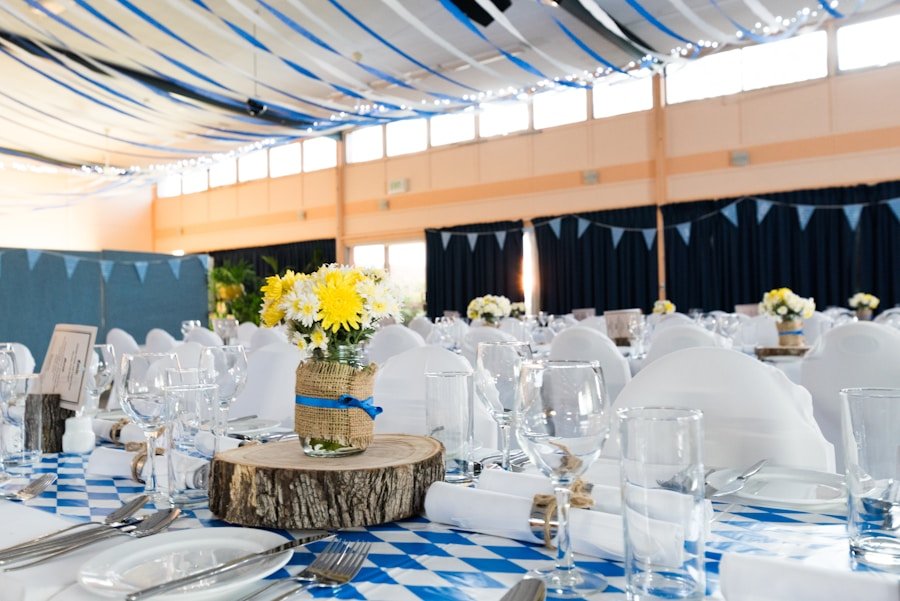
Rented venue coverage gap — homeowners liability applies to your insured premises. If your event is held at a rented venue — a hotel ballroom, a vineyard, a banquet hall — your homeowners liability does not extend to the rented premises. Any claim arising at the venue will not be covered by your homeowners policy.
Liquor liability exclusion — most homeowners policies do not include liquor liability coverage or include only a modest host liquor liability provision for small social gatherings. A wedding with an open bar or a backyard party with significant alcohol service creates liquor liability exposure that homeowners coverage typically does not adequately address.
Property damage to rented venue — if guests or your event vendors damage the rented venue, the homeowners policy may not cover the resulting liability. Many homeowners policies limit coverage for property damage occurring off-premises.
Scale of event risk — homeowners insurance is priced for residential social gathering risk, not for large events with catering, amplified music, large crowds, outside vendors, and significant investment in preparation. The risk profile of a large event is fundamentally different from the risk of hosting a dinner party.

Who Needs Event Insurance
Event insurance is appropriate for virtually anyone who hosts, organizes, sponsors, or has significant financial investment in a planned event. The need scales with event size, complexity, and investment — but even small private events carry real liability and financial risks that standard insurance products do not address.
Wedding couples and families — weddings represent the largest single event insurance market; the combination of significant financial investment in vendors, a rented venue, alcohol service, and the emotional and financial stakes of the occasion make event insurance essential.
Nonprofit organizations — charities, foundations, and nonprofits that host fundraising galas, charity auctions, run/walk events, and benefit concerts need event liability coverage that their general nonprofit liability policies may not adequately provide.
Corporate event organizers — businesses hosting client appreciation events, product launches, team-building events, holiday parties, and conferences need event insurance for events that exceed the scope of their standard general liability coverage.
Event venue operators — venues that host third-party events should require event hosts to carry event liability insurance naming the venue as an additional insured; many also carry their own event venue liability policy.
Festivals and public event producers — outdoor music festivals, food and wine festivals, cultural festivals, and similar public events with large attendances require comprehensive event insurance programs covering all aspects of the event production.
Sports tournament organizers — golf tournaments, running races, cycling events, and other competitive sporting events require event liability coverage for participant injuries, spectator incidents, and property damage.
Religious organizations — churches, synagogues, mosques, and other religious organizations that host community events, concerts, festivals, and celebrations need event coverage supplementing their standard religious institution liability policies.
Political campaigns and organizations — political fundraisers, rallies, and campaign events create liability exposure that requires dedicated event coverage given the unique risks of political gatherings.
Single-Event vs. Annual Event Coverage
Event insurance is available in two primary structures: single-event policies that cover one specific occasion, and annual or multi-event policies that cover an organization’s entire calendar of events throughout a year. The appropriate structure depends on how frequently events are hosted and the nature of the organization hosting them.
When to Choose Single-Event Coverage
A single-event policy is the right choice when you are hosting one specific event that is either a one-time occurrence (a wedding, a milestone anniversary party) or an infrequent event that occurs less than two to three times per year. The per-event policy can be precisely tailored to the specific event’s details — the number of guests, the venue, the presence of alcohol, the event duration, and any unique risk factors.
When to Choose Annual Event Coverage
Annual event insurance programs are designed for organizations that regularly host events as part of their ongoing operations — event venues, nonprofit organizations, community associations, professional associations, religious institutions, and entertainment producers. The cost efficiency of an annual program versus purchasing multiple single-event policies becomes apparent when three or more events per year are planned.
Private Events vs. Public Events
The distinction between private and public events is one of the most important underwriting factors in event insurance. Private events have a defined, invited guest list; public events are open to anyone with a ticket or who is simply in the area. This distinction affects liability exposure, crowd management risk, liquor liability, and the overall complexity of the insurance program needed.
Event Host vs. Event Vendor Insurance Responsibilities
Within the event insurance landscape, a critical distinction exists between the event host — the person or organization that owns and controls the event — and the vendors who provide services at the event. These two parties have fundamentally different insurance responsibilities and face different liability exposures.
The Event Host’s Insurance Responsibilities
The event host is the party ultimately responsible for the safe and successful execution of the event. The host’s event insurance covers the host’s liability for the overall event — injuries occurring on the premises, property damage to the venue, liquor liability for alcohol served, and the financial investment in the event if cancellation becomes necessary.
The Event Vendor’s Insurance Responsibilities
Event vendors — caterers, photographers, DJs, florists, tent rental companies, lighting vendors, and all other contracted service providers — carry their own insurance for their specific professional activities. The host should require certificates of insurance from all vendors as a condition of the contract.
Event Insurance for Individuals
Individual event insurance purchasers are primarily private citizens hosting significant personal celebrations: weddings, significant birthday milestones, retirement parties, anniversary galas, and similar occasions. Their insurance needs are centered on two concerns: liability for injuries at the event and financial protection for their investment in the event.
Event Insurance for Organizations
Organizations — nonprofits, associations, businesses, religious institutions, and government entities — host events as part of their ongoing activities and typically require a more structured approach to event insurance than individual purchasers. Their events are often more frequent, more varied in type, and may involve complex multi-party insurance relationships.
Event Liability Insurance vs. Event Cancellation Insurance
Event liability insurance and event cancellation insurance are two distinct coverage types that together create comprehensive event protection — but they protect against entirely different risks, activate under entirely different triggers, and are priced and structured separately. Many event hosts purchase one without the other, leaving significant financial exposure unaddressed.
Event Liability Insurance — In Depth
Event liability insurance is a third-party coverage: it pays when someone else — a guest, a bystander, the venue operator — suffers bodily injury or property damage in connection with your event and makes a claim against you. It does not pay you directly; it pays the injured party (or their attorney) on your behalf.
Event Cancellation Insurance — In Depth
Event cancellation insurance is a first-party coverage: it pays you — the event host — when your event must be cancelled, postponed, or significantly curtailed due to a covered reason. It does not pay anyone else; it compensates you for your financial losses.
How Event Insurance Fits the Complete Program
Event insurance is a specialized, temporary coverage that fills a specific gap in a personal or organizational insurance program. It does not duplicate homeowners, auto, or general liability insurance — it covers risks that those policies either exclude entirely or address inadequately for the specific context of an event. Understanding how event insurance coordinates with other policies ensures complete protection from pre-event planning through post-event close-out.
Event Insurance Program Checklist
Purchase event liability coverage early — buy event liability insurance when you book the venue, not the week before the event; venues may require it as a condition of booking.
Purchase event cancellation insurance immediately — cancellation coverage must be purchased before the risk is known; buy it when you make your first vendor deposit.
Collect certificates from all vendors — request GL and workers’ comp certificates from every vendor before they perform any work or sign any contract.
Request additional insured status from vendors — ask to be named as an additional insured on each vendor’s GL policy to protect yourself from claims arising from their work.
Confirm venue’s insurance requirements — most venues require the event host to carry a minimum liability limit and name the venue as an additional insured; confirm requirements before purchasing the policy.
Evaluate liquor liability need — if alcohol will be served in any form — open bar, cash bar, BYOB, or wine with dinner — add host liquor liability coverage to the event policy.
Assess cancellation coverage amount — the cancellation coverage limit should equal the total amount you have committed in non-refundable deposits and prepaid costs for the event.
Confirm umbrella coverage for events — verify with your personal umbrella carrier that events are covered under the umbrella; some umbrellas exclude certain event types.
Disclaimer: The information contained in this article is intended for general informational and educational purposes only and should not be construed as legal, financial, or insurance advice. Event insurance requirements, coverage terms, exclusions, and underwriting guidelines vary significantly by event type, carrier, and jurisdiction and are subject to change. It is the sole responsibility of the reader to carefully review their individual insurance policy and all applicable terms, conditions, and exclusions to determine the exact scope of coverage applicable to their specific event and circumstances. Daly Insurance, Inc. and Daly & Alexander Insurance make no representations or warranties of any kind regarding the completeness, accuracy, or reliability of any content published online or offline, and expressly disclaim all liability for any errors, omissions, or inaccuracies. Coverage availability, terms, and pricing are subject to underwriting approval and vary by carrier, state, and individual circumstance.
Daly Insurance, Inc. | Daly & Alexander Insurance | www.dalyandalexander.com | Licensed Insurance Professionals