
At Daly & Alexander Insurance, we help Savannah and Coastal Georgia property owners compare NFIP and private flood insurance options for the coverage that fits their needs.
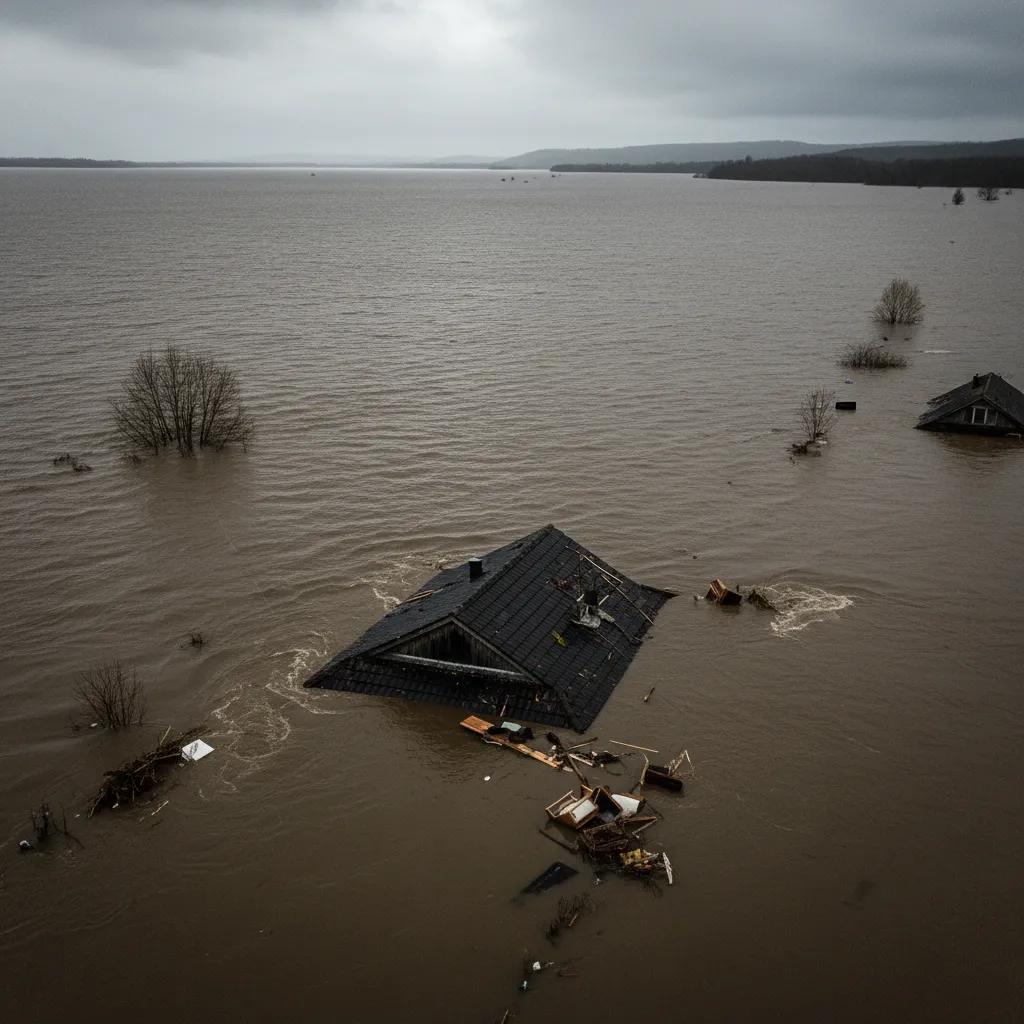
Here’s the single most important thing to know about flood insurance: your homeowners policy doesn’t include it. Not storm surge pushing up the Savannah River. Not a tropical system stalling over the Lowcountry and dropping ten inches of rain. Not a summer thunderstorm that turns your street into a creek. If rising water gets into your home, a separate flood policy is the only thing that pays.
In a city surrounded by rivers, marsh, and ocean, that’s not fine print. That’s the whole ballgame.
A flood policy has two parts, and you can buy one or both:
protects the structure itself — foundation, walls, electrical and plumbing systems, HVAC, water heater, built-in appliances, and attached fixtures. Through the National Flood Insurance Program (NFIP), building coverage goes up to $250,000 for a home.
protects what's inside — furniture, clothing, electronics, rugs, and personal belongings, up to $100,000 through the NFIP. It's optional, and skipping it is a common regret. The structure may survive a foot of water; your furniture won't.
If your home's rebuild cost is higher than NFIP limits — common for larger homes in Richmond Hill or historic properties downtown — a private flood policy or excess flood coverage can raise those limits, and sometimes beats NFIP pricing too. As an independent agency, we quote both and show you the difference.
Savannah sits low. Much of Chatham County is just a few feet above sea level, threaded with tidal creeks and marshland. When a hurricane or tropical storm pushes water inland, neighborhoods near the river, around Thunderbolt, and across Tybee Island feel it first. But storm surge is only part of the story.
Heavy rain floods this area on its own. Drainage systems back up. King tides keep water from running off. And fast-growing suburbs like Pooler have replaced absorbent ground with rooftops and pavement, which sends runoff into places that never used to flood. Ask longtime residents about Hurricane Matthew or Irma — plenty of flooded homes weren’t anywhere near the beach.
That leads to the most expensive myth in coastal Georgia: “I’m not in a flood zone, so I don’t need flood insurance.” In reality, a large share of flood claims nationwide come from properties outside high-risk zones. Being in a low-risk zone means cheaper coverage — not zero risk.

Three quick answers:

Since FEMA rolled out Risk Rating 2.0, NFIP premiums are priced property by property — based on your home’s elevation, distance to water, foundation type, rebuild cost, and flood history, not just the zone on a map. Two houses on the same street can pay very different rates.
A few things that can lower your premium:
Most NFIP policies come with a 30-day waiting period before coverage kicks in. Private flood policies are often faster, but carriers stop writing new coverage once a named storm is on the way. Translation: the week a hurricane appears in the forecast is the one week you can’t buy flood insurance. The right time to get covered is well before hurricane season peaks — which, around here, means now.
We help homeowners, renters, and business owners with flood insurance across the greater Savannah area and the Georgia coast, including:
Savannah, Pooler, Garden City, Port Wentworth, Bloomingdale, Thunderbolt, Tybee Island, Vernonburg, Rincon, Springfield, Guyton, Richmond Hill, and Pembroke.
From beach houses on Tybee Island to new construction in Pooler and riverside properties in Port Wentworth, we know the local flood maps — and the carriers that price coastal Georgia fairly.
Flood insurance is full of details that trip people up: which flood zone you’re actually in, whether an elevation certificate would help your rate, how basement and crawlspace coverage really works, when private flood beats the NFIP. A local agent sorts all of that out in one conversation — and is here in Savannah when the water rises and you need to file a claim.
No. Homeowners policies cover water that falls or bursts from above — rain through a damaged roof, a broken pipe. Rising water from outside the home is flood damage, and only a flood policy covers it.
FEMA’s flood maps will tell you, but zones get remapped and the maps don’t capture every risk. We’re happy to look up your property and walk you through what it means.
It takes just a few minutes, and there’s no obligation. We’ll check your flood zone, compare NFIP and private flood options, and find the coverage that fits your home and budget — before the next storm has a name.
Water doesn’t wait. Neither should you.