
Liquor liability insurance is a specialized form of commercial liability insurance that protects businesses and individuals who sell, serve, furnish, or facilitate the consumption of alcoholic beverages from liability claims arising from alcohol-related injuries, property damage, or deaths. It covers the legal obligation of the alcohol seller or server under state dram shop laws and common law negligence theories when an intoxicated person they served causes harm to themselves or others.
Unlike general liability insurance — which explicitly excludes liquor-related claims for businesses in the business of selling or serving alcohol — liquor liability insurance is purpose-built to address the unique and serious liability exposure created by alcohol service. It is not optional for alcohol-serving businesses; it is a financial and often legal necessity.
Key Coverage Components
Third-party bodily injury — covers medical expenses, lost wages, and legal damages for third parties injured by an intoxicated person served by the insured — including innocent victims of drunk driving accidents.
Property damage — covers damage to third-party property caused by an intoxicated person who was served by the insured.
Legal defense costs — pays attorney fees, court costs, and legal defense expenses for covered claims, which can be substantial even in cases where the insured ultimately prevails.
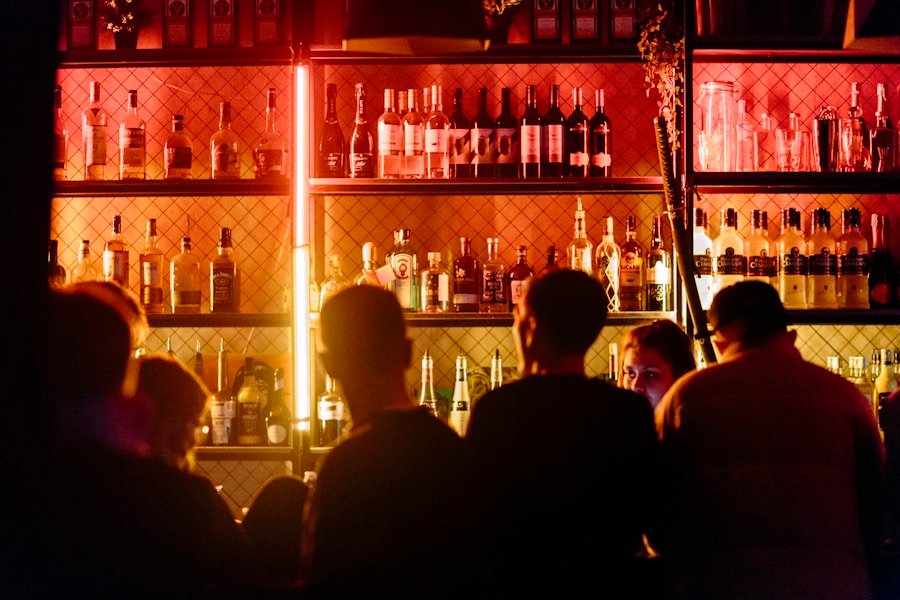
Assault and battery defense — many liquor liability policies cover assault and battery incidents involving intoxicated patrons, which are common in bar and nightclub environments — though some policies exclude this.
Minor service liability — covers claims arising from serving alcohol to minors who then cause injury, a specific exposure that generates severe legal liability in virtually every state.
Why You Need Both CGL and Liquor Liability
Commercial general liability (CGL) insurance and liquor liability insurance are both liability products, but they address fundamentally different risks and are triggered by fundamentally different events. Understanding the gap between them — and why CGL specifically excludes liquor liability for alcohol-serving businesses — is the foundation of understanding why liquor liability insurance exists as a separate product.
An alcohol-serving business that carries only a CGL policy has a significant uninsured exposure. The CGL covers premises liability claims — a customer who trips and falls, a fire caused by a kitchen equipment failure, a delivery truck that damages neighboring property. But it explicitly excludes any claim arising from the sale, service, or furnishing of alcohol.
An alcohol-serving business that carries only a liquor liability policy has the opposite problem: it is covered for alcohol-related claims but has no coverage for all the other liability scenarios that a business faces. The complete solution is both policies: CGL for premises and operations liability, and liquor liability for alcohol-specific liability.
The ISO Liquor Liability Exclusion
The exclusion of liquor liability from commercial general liability policies is one of the oldest and most consistently applied exclusions in commercial insurance. Standard CGL policies use Insurance Services Office (ISO) policy forms that contain specific exclusion language for liquor liability. The exclusion typically applies to bodily injury or property damage for which any insured may be held liable — by reason of causing or contributing to the intoxication of any person; the furnishing of alcoholic beverages to a person under the legal drinking age or under the influence of alcohol; or any statute, ordinance, or regulation relating to the sale, gift, distribution, or use of alcoholic beverages.
Why Insurers Exclude Liquor Liability from CGL
Separate and specialized risk — liquor liability represents a distinct, well-defined risk category that requires specialized underwriting, different claims handling expertise, and different risk assessment criteria than general premises and operations liability.
Frequency and severity of alcohol claims — drunk driving accidents and alcohol-fueled assaults generate some of the highest-severity liability claims in the personal injury system; wrongful death claims from drunk driving accidents regularly produce multimillion-dollar verdicts that general liability limits are not designed to absorb.
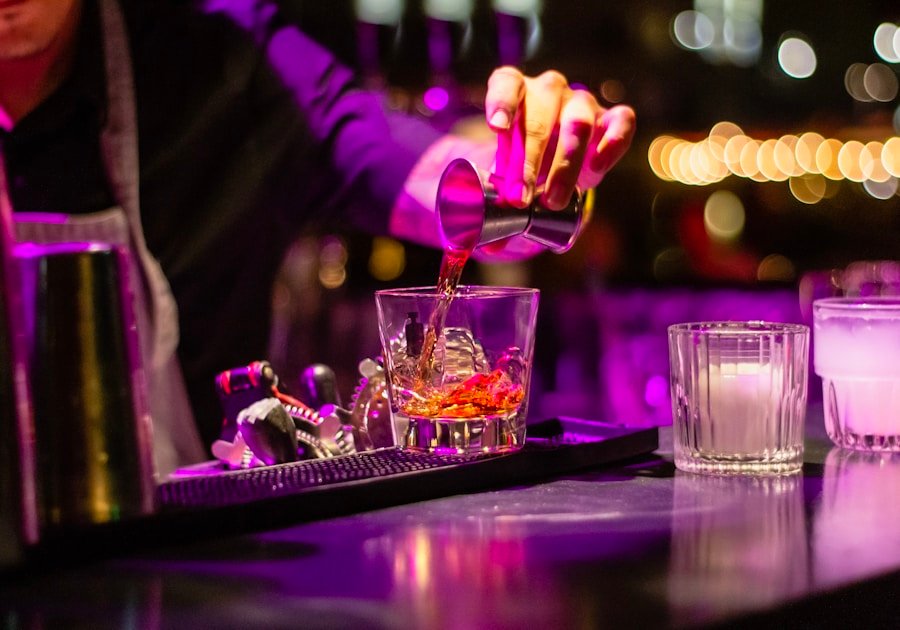
Dram shop statute complexity — each state’s dram shop law has different provisions, different standards of liability, and different damage caps; effective coverage requires specialized knowledge of state alcohol liability law that general liability underwriters do not typically have.
Moral hazard and risk selection — including liquor liability in standard CGL policies would allow businesses to obtain broad alcohol liability coverage without the specific underwriting scrutiny that the exposure requires; this adverse selection would create unacceptable loss ratios.
Regulatory framework differences — alcohol service is heavily regulated at the state and local level; the complexity of regulatory compliance adds an underwriting dimension that standard CGL products are not structured to assess.
The Scope of the Exclusion
The CGL liquor liability exclusion applies to businesses that are in the business of manufacturing, distributing, selling, serving, or furnishing alcoholic beverages. Full exclusion applies to bars, taverns, restaurants with bar service, liquor stores, breweries, wineries, distilleries, event venues with alcohol service, caterers who serve alcohol, and any business where alcohol service is a regular part of operations.
Host liquor exception — the CGL exclusion typically does NOT apply to a business that serves alcohol only as a social host — for example, an office party where the company provides beer and wine but is not in the business of selling alcohol. This host liquor scenario remains covered under most CGL policies.
State Licensing and Insurance Requirements
In many states, proof of liquor liability insurance is required as a condition of obtaining or renewing an alcohol beverage license. The specific requirements vary significantly by state and by license type. Some states require minimum liability limits of $100,000; others require $1 million or more. Always confirm your state’s specific insurance requirements with the relevant alcohol beverage control authority before applying for a license.
Host Liquor Liability vs. Commercial Liquor Liability
One of the most important distinctions in alcohol-related insurance is the difference between host liquor liability and commercial liquor liability. These two coverage types address fundamentally different relationships between the alcohol provider and the alcohol consumer — and choosing the wrong type leaves significant liability exposure unaddressed.
The Gray Zone: When Host Liquor Becomes Commercial
The line between host liquor and commercial liquor liability can become blurred in certain situations. A charity event that charges admission (with alcohol included in the ticket price), an employer who regularly caters working lunches with alcohol, or a club that collects dues and serves alcohol at member events may fall in a gray zone between pure social hosting and commercial alcohol service.
When there is any doubt about whether a host liquor provision provides adequate coverage, the safer approach is to purchase commercial liquor liability coverage. The incremental cost of the more comprehensive coverage is typically small compared to the risk of having a claim denied because the insurer determines that the alcohol service was commercial in nature rather than purely social.
Occurrence-Based vs. Claims-Made Policies
Liquor liability insurance is available in two fundamental policy structures: occurrence-based policies and claims-made policies. This distinction is critically important for understanding when coverage applies — particularly given that alcohol-related liability claims often arise months or years after the incident that triggered them.
The distinction matters practically because alcohol-related incidents often involve delayed claims. A drunk driving accident may occur at midnight; the victim may die two days later; the family may retain an attorney months later; and the lawsuit may be filed a year or more after the original incident.
Occurrence Policy — In Depth
Under an occurrence policy, coverage is triggered by the incident that gives rise to the claim — the date the drunk patron was served, the date of the accident, or the date of the assault. As long as the incident occurred during the policy period, the claim is covered regardless of when it is actually filed. Even if the insured has switched carriers or cancelled the policy by the time the claim arrives, the occurrence policy from the time of the incident still responds.
Occurrence policies provide the cleanest long-term protection for liquor liability. There is no “tail” exposure — no gap between the incident and the claim that could leave the insured unprotected. Most experienced liquor liability insurance professionals recommend occurrence-based policies for this reason.
Claims-Made Policy — In Depth
Under a claims-made policy, coverage is triggered by when the claim is reported to the insurer, not when the incident occurred. If the policy is not in force when the claim is filed — even if the incident occurred during a prior policy period — there is no coverage unless a tail endorsement (extended reporting period) was purchased.
Excess Liquor Liability Coverage
Liquor liability claims can reach verdicts and settlements of millions of dollars — particularly in cases involving serious injuries or deaths from drunk driving accidents. A primary liquor liability policy with a $1 million limit may be insufficient for the largest claims. Excess liquor liability coverage provides additional layers of protection above the primary policy limit.
The Umbrella Liquor Liability Gap
One of the most dangerous coverage gaps in the hospitality insurance market is the assumption that a commercial umbrella policy automatically extends above a liquor liability policy. Most standard commercial umbrella policies use the same ISO exclusion language as CGL policies and exclude claims arising from liquor liability. Unless the umbrella is specifically endorsed to pick up liquor liability, it will not extend above the primary liquor policy.
Businesses seeking excess coverage above their primary liquor liability limit should either purchase a standalone excess liquor liability policy or confirm in writing with their umbrella carrier that the umbrella explicitly covers liquor liability claims. A verbal assurance is not sufficient; the umbrella policy endorsement must specifically address liquor liability.
Dram Shop Liability vs. Liquor Liability
The terms “liquor liability” and “dram shop liability” are often used interchangeably, but they have distinct meanings. Dram shop acts vary significantly in scope, liability standards, and damage caps across states. Some states impose strict liability — meaning the seller is liable regardless of fault simply by virtue of having served the person. Others require proof of negligence or visible intoxication. Some states cap damages; others do not.
For insurance purposes, the key practical point is that liquor liability insurance covers dram shop claims — and more. A liquor liability policy responds to dram shop act claims, common law negligence claims for negligent alcohol service, claims from assault and battery by intoxicated patrons, and other theories of liability related to alcohol service. Dram shop liability is a subset of the broader category of liquor liability that the policy covers.
Liquor Liability vs. Product Liability for Alcohol Manufacturers
Businesses in the alcohol industry — particularly manufacturers, distributors, and packaged goods retailers — face two distinct liability exposures that are sometimes confused: liquor liability (arising from the service or facilitation of alcohol consumption) and product liability (arising from defects in the alcohol product itself).
Craft breweries, wineries, distilleries, and other alcohol manufacturers face both exposures simultaneously. Their taproom or tasting room operations create liquor liability exposure from the service of alcohol to patrons. Their distribution of packaged products creates product liability exposure if a batch is contaminated, mislabeled, or otherwise defective. A complete insurance program for an alcohol manufacturer includes both a liquor liability policy for service-related claims and a products liability policy for product-related claims.
How Liquor Liability Fits the Complete Program
Liquor liability insurance is a non-negotiable component of any insurance program for a business or individual that serves, sells, or otherwise provides access to alcoholic beverages. It fills a specific, legally significant gap that commercial general liability insurance explicitly creates.
Key Program Coordination Points
Confirm liquor liability is NOT in the CGL — review your CGL policy’s exclusions and confirm the liquor exclusion is present; this confirms you need the separate liquor liability policy and establishes that the two policies do not overlap or duplicate coverage.
Confirm umbrella endorsement for liquor — do not assume your commercial umbrella extends above your liquor liability limit; request written confirmation or an endorsement explicitly picking up liquor liability as an underlying coverage.
Match policy types across layers — if your primary liquor liability policy is occurrence-based, your excess layer should also be occurrence-based; mixing occurrence and claims-made across layers creates coverage gaps.
Review dram shop training requirements — many liquor liability insurers offer premium discounts for businesses whose staff complete responsible alcohol service training (TIPS, ServSafe Alcohol, etc.); these programs also reduce the likelihood of covered claims.
Update coverage for seasonal and event volume — bars with seasonal peaks or special events should confirm their liquor liability policy provides adequate limits for peak periods; underreported gross sales on a liquor policy can create audit adjustments and coverage disputes.
Confirm assault and battery coverage — nightclubs, bars, and entertainment venues should confirm that assault and battery incidents are specifically covered under the liquor liability policy; some policies exclude A&B or require a separate endorsement.
Disclaimer: The information contained in this article is intended for general informational and educational purposes only and should not be construed as legal, financial, or insurance advice. Liquor liability insurance requirements, dram shop laws, coverage terms, exclusions, and underwriting guidelines vary significantly by state, carrier, business type, and individual circumstances and are subject to change. State dram shop statutes are complex and fact-specific; this article does not constitute legal advice regarding any specific dram shop claim or regulatory matter. It is the sole responsibility of the reader to carefully review their individual insurance policy and consult with licensed insurance and legal professionals to determine the exact scope of coverage and legal obligations applicable to their specific circumstances. Daly Insurance, Inc. and Daly & Alexander Insurance make no representations or warranties of any kind regarding the completeness, accuracy, or reliability of any content published online or offline, and expressly disclaim all liability for any errors, omissions, or inaccuracies. Coverage availability, terms, and pricing are subject to underwriting approval and vary by carrier, state, and individual circumstance.
Daly Insurance, Inc. | Daly & Alexander Insurance | www.dalyandalexander.com | Licensed Insurance Professionals