
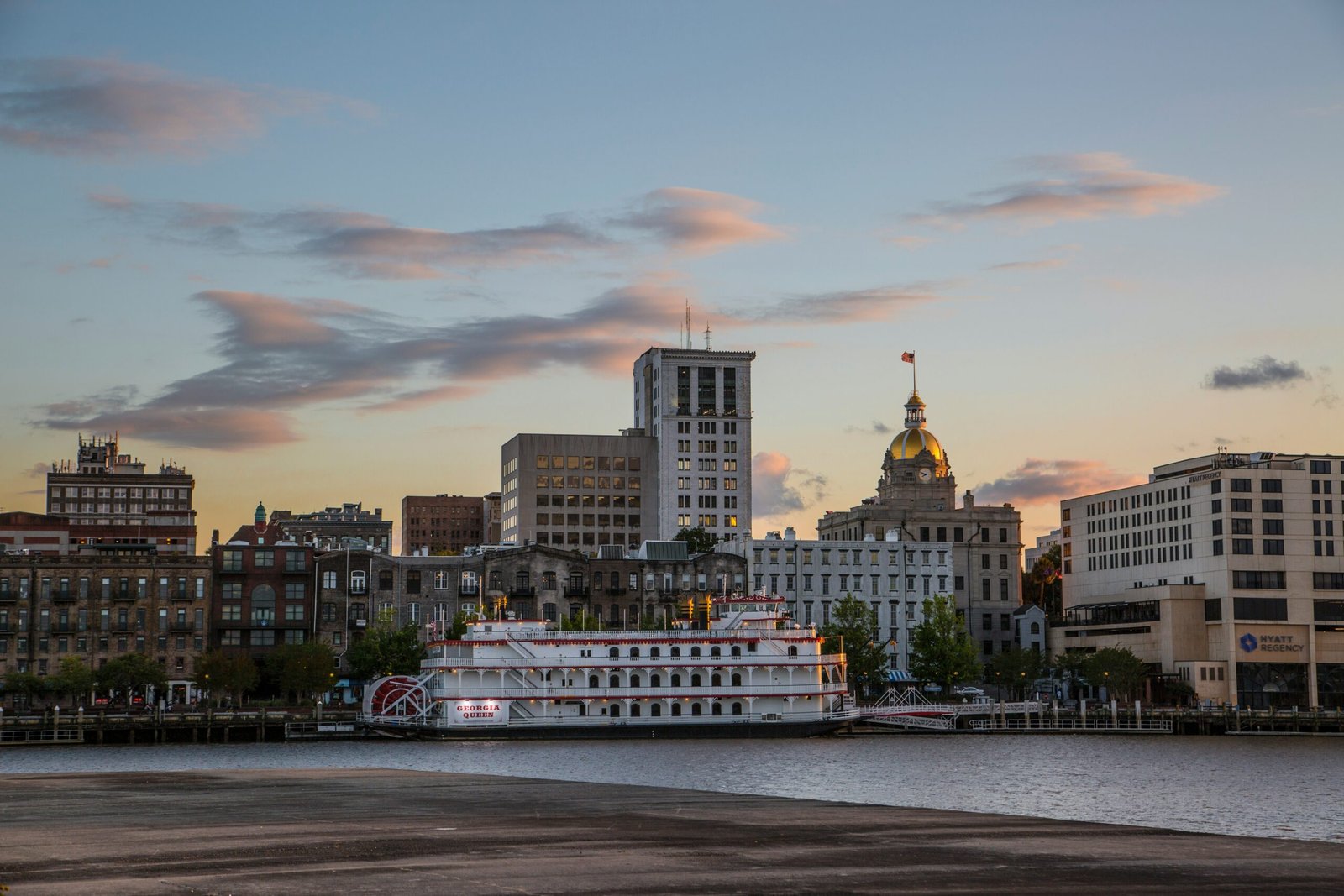
Few cities in America are built around hospitality the way Savannah is. The to-go cups downtown, the rooftop bars, the River Street taverns, one of the biggest St. Patrick’s Day celebrations in the country, wedding season after wedding season pouring champagne under the oaks. If your business serves, sells, or caters alcohol here, you’re part of what makes this city what it is.
You’re also carrying a legal exposure most owners underestimate until they see it in a lawsuit caption. In Georgia, the business that served the drinks can be held liable for what an intoxicated patron does after leaving — the wreck on the way home, the injuries, the wrongful death claim. That’s dram shop liability, and the verdicts are the kind that close businesses. Liquor liability insurance is the policy built for exactly this — and if you hold an alcohol license around here, there’s a good chance your city or county required proof of it before issuing the license anyway.
Here’s what every owner pouring drinks on this coast should understand.
Georgia law shields alcohol servers in most situations — the drinker is generally responsible for their own choices. But the shield drops in two circumstances that matter enormously:
When either happens and that person hurts someone, your business can be named in the lawsuit alongside them — and in a serious injury or fatality case, the plaintiff’s attorney will name everyone with a policy or an asset. “Noticeably intoxicated” and “should have known” get argued in front of juries with security footage, receipts showing eleven drinks on one tab, and bartender testimony. Even a defensible case costs a fortune to defend. That’s the exposure; here’s the coverage.
The core of the policy: the drunk-driving crash after last call, the fall down your stairs, the third party hurt on the sidewalk outside. The policy pays damages up to your limits.
Attorneys, experts, court costs — paid by the policy, and in dram shop litigation the defense bill alone can run six figures before anyone talks settlement. For many owners, this is the benefit that matters most, because it responds even to claims you ultimately win.
Bar fights are among the most common alcohol-related claims, and here's the trap: many liquor liability policies exclude or sharply sublimit assault and battery — including claims that your staff over-served the participants or that your security handled it badly. A bargain policy with an A&B exclusion is a policy with a hole exactly where bars get sued. When we quote your coverage, A&B terms are one of the first things we check, and one of the main reasons two similar-looking quotes can be hundreds of dollars apart.
Coverage extends to your employees serving in the course of their work — the bartender and server named in the suit alongside the business.
Georgia draws a bright line: if your business makes money from alcohol — serving it, selling it, manufacturing it — your general liability policy excludes alcohol-related claims, and you need dedicated liquor liability coverage:
One distinction worth knowing: if you’re a business that merely hosts an event where alcohol is served — a company holiday party, say — that’s host liquor liability, usually available through your general liability or an event policy. The moment alcohol is part of your revenue, you’ve crossed into needing the real thing. We’ll tell you which side of the line you’re on in about two minutes.

The license comes with strings. Alcohol licenses around here are issued locally — city and county — and jurisdictions commonly require proof of liquor liability coverage, at specified limits, to issue or renew. If your renewal is coming up or you’re opening a new spot, send us the requirements page and we’ll match the certificate to it exactly.
Tourism turns the volume up. The open-container district downtown, bachelor and bachelorette weekends, festival crowds, and St. Patrick’s Day — the biggest serving days of the year are also the highest-risk days of the year, full of visitors your staff has never seen before and won’t see again. Underwriters know this about Savannah; the right carrier prices it fairly instead of fearfully, which is exactly why this line rewards shopping.
Your practices are your premium. Liquor liability is one of the few coverages where your daily habits directly move the price. Documented server training (TIPS or similar) for every pourer, rigorous ID checking, a written policy for cutting people off and calling rides, an incident log that actually gets used, and cameras covering the bar and exits — these reduce claims, impress underwriters, and become your best evidence if a claim comes anyway. We’ll tell you which measures the carriers we quote actually credit.
Pricing is driven mostly by your alcohol sales volume and your ratio of alcohol to food. A restaurant where drinks are 20% of revenue pays far less than a late-night bar where they’re 90%. As rough guideposts: many restaurants see liquor liability premiums in the low four figures annually, while bars and nightlife venues pay more — with hours of operation, entertainment, capacity, claims history, and those A&B terms all moving the number. Caterers and one-off events are priced by the job or the day and are usually very affordable. Bundling liquor liability with your BOP or general liability package, and documenting the risk practices above, are the two most reliable ways to bring it down.
We write liquor liability coverage across the greater Savannah area and the Georgia coast, including:
Savannah, Pooler, Garden City, Port Wentworth, Bloomingdale, Thunderbolt, Tybee Island, Vernonburg, Rincon, Springfield, Guyton, Richmond Hill, and Pembroke.
Downtown bars and River Street taverns, beach bars and restaurants on Tybee Island, breweries and taprooms, neighborhood spots in Pooler and Richmond Hill, package stores across the counties, and the caterers pouring at every wedding from Thunderbolt to Pembroke — if alcohol is part of your business, we can cover it.
Liquor liability is a fine-print line, and the fine print is where owners get hurt: assault and battery exclusions, defense costs inside versus outside the limits, sublimits that quietly cap the coverage you think you have, certificates that don’t match what the licensing authority or venue requires. We read all of it, quote carriers that genuinely understand hospitality on this coast, align the policy with your license requirements, and coordinate it with your BOP, general liability, and umbrella so nothing falls between policies. And we’re local — we know what this town’s biggest weekends look like, because we’re here for them too.
There’s no single statewide mandate, but local licensing authorities commonly require it for alcohol license holders, and venues and event permits require it constantly. Practically speaking, you can’t pour without it.
It takes just a few minutes, and there’s no obligation. Tell us about your operation — sales mix, hours, capacity, and what your license or venue requires — and we’ll quote carriers that treat Savannah hospitality fairly, with the A&B terms checked before you ever see the price.
You pour the drinks. We’ll carry the what-ifs.