
The Savannah rental market has rarely been stronger. Port jobs, the new manufacturing plants up the corridor, military families rotating through Fort Stewart and Hunter Army Airfield, students, travel nurses — steady tenant demand has turned a lot of local homeowners into landlords, whether they planned it or not. Maybe you bought a rental in Pooler on purpose. Maybe you moved and kept the old house in Rincon. Either way, you own an income property now.
And here’s the first thing every new landlord needs to hear: the homeowners policy on that house stopped fitting the day a tenant moved in. Homeowners insurance is written for owner-occupied homes. Once the property becomes a rental, you need landlord insurance — sometimes called a dwelling fire policy or long-term rental insurance. Keeping the old policy in place isn’t saving money; it’s paying premiums for coverage that may not respond when you need it.
Fire, wind, hail, tenant-caused damage from covered perils, burst pipes — the structure is protected, insured at what it would cost to rebuild today. Around here that comes with the usual coastal caveats: know your wind/hail deductible, and remember flood coverage is always separate, even for rentals near the marsh or river.
Detached garages, sheds, fences, and — increasingly valuable in this market — carriage houses and garage apartments that generate their own rent.
Appliances, window units, lawn equipment you leave for tenant use. Not the tenant's belongings — more on that in a minute.
If a tenant or their guest is injured on the property — a loose stair tread, a deck railing that gives way, a dog bite the lease said wouldn't happen — liability coverage pays legal and medical costs. Landlords get sued more than homeowners, because a rental relationship is a business relationship. This coverage needs to be sized accordingly, and it pairs naturally with an umbrella policy once you own more than one door.
The landlord version of loss-of-use, and the coverage that separates a real landlord policy from a cheap one. If a kitchen fire makes the house unlivable for four months, loss of rents replaces the income while repairs happen — the mortgage doesn't pause just because the rent did.
Landlord policies come in tiers, and the difference matters:
When you’re comparing quotes and one is suspiciously low, this is usually why. We’ll show you the difference side by side so the choice is yours, made with open eyes.
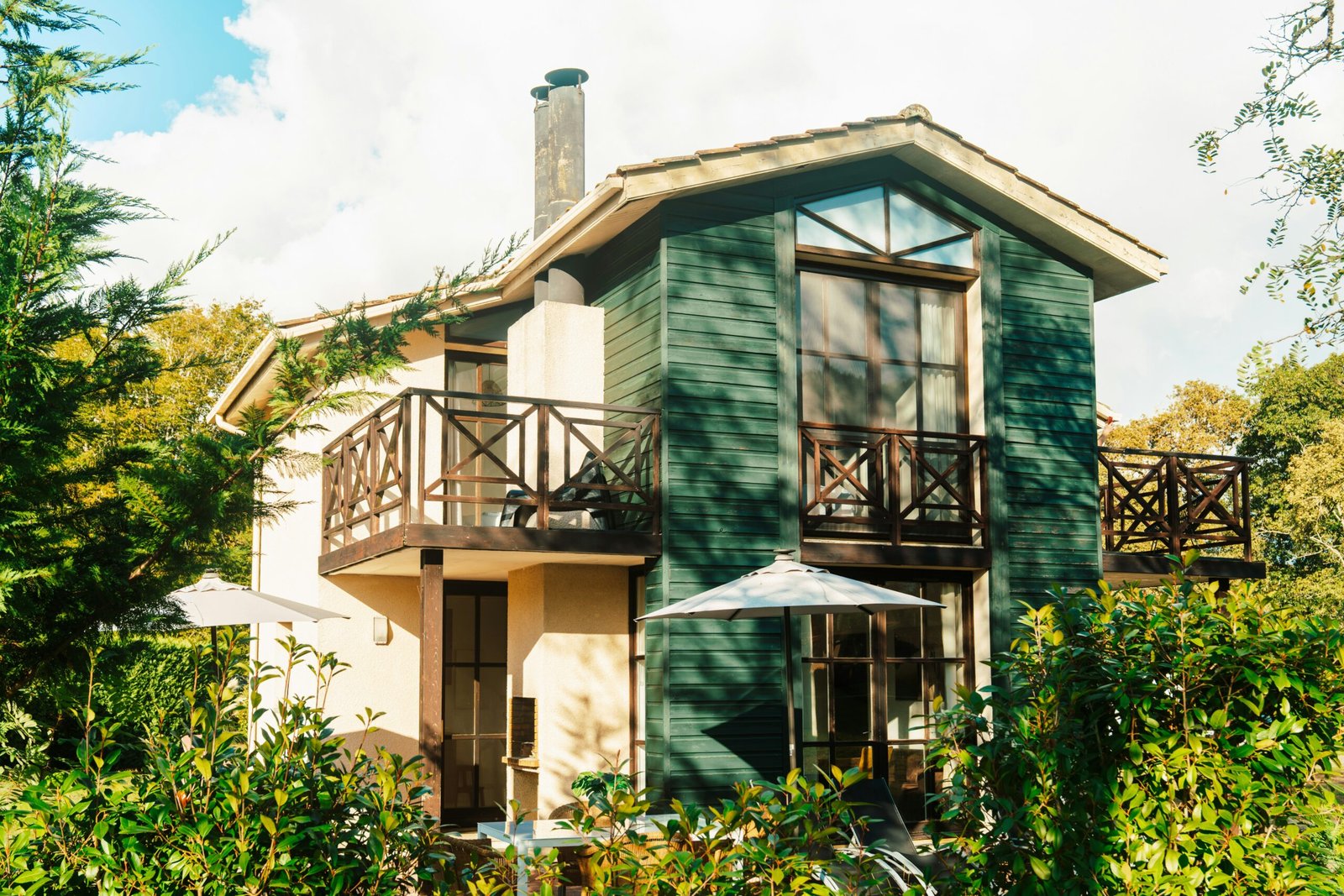
Landlord insurance covers your building, not your tenant’s belongings. If a pipe bursts and ruins a tenant’s furniture and electronics, that’s a renters insurance claim — theirs, not yours. Which is why we recommend every landlord require renters insurance in the lease. It costs tenants very little, it protects their property, its liability coverage can respond before yours does if they cause the damage, and it dramatically reduces friction after a loss. Many landlords ask to be listed as an additional interest so they’re notified if the tenant’s policy lapses. Small clause, big payoff.
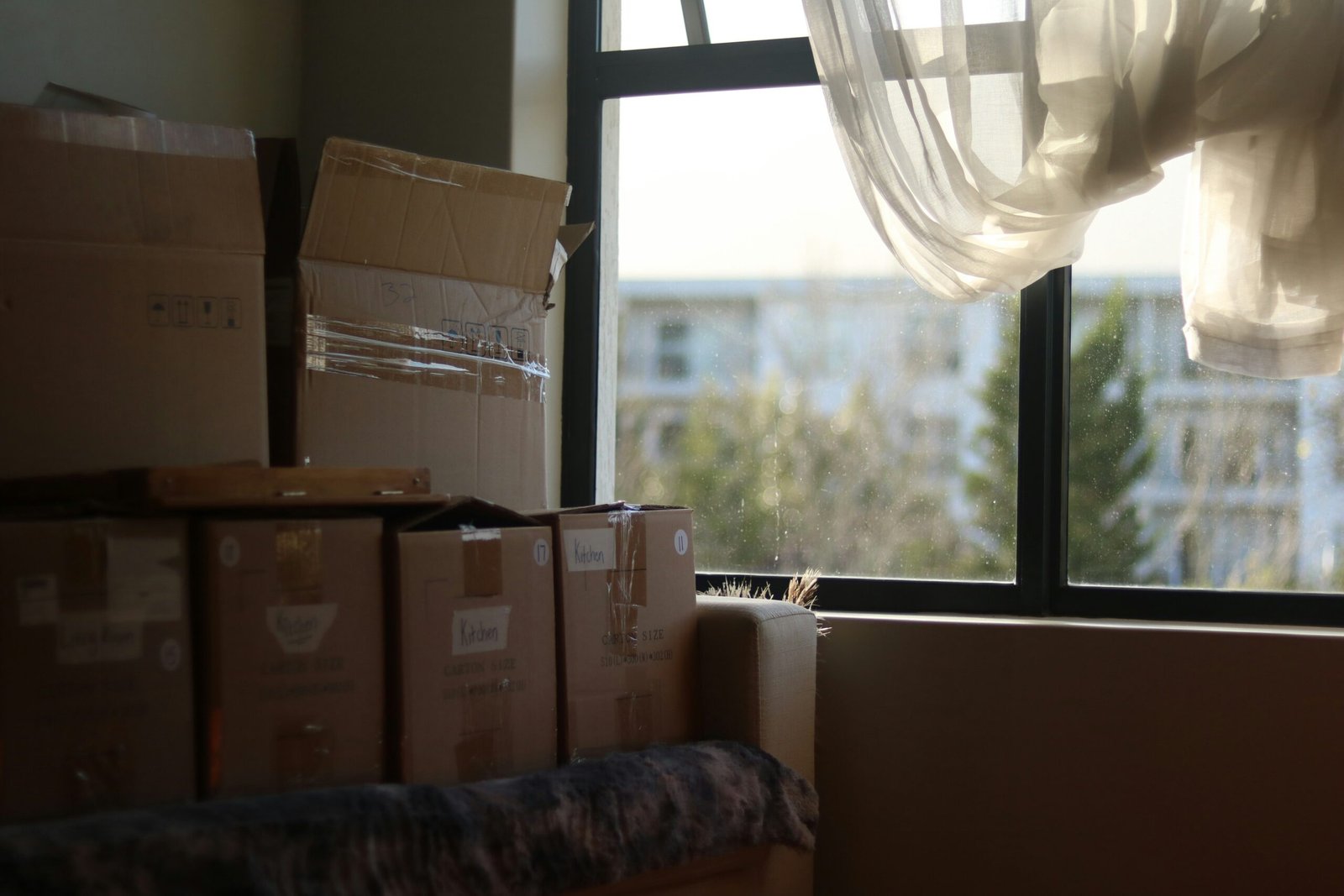
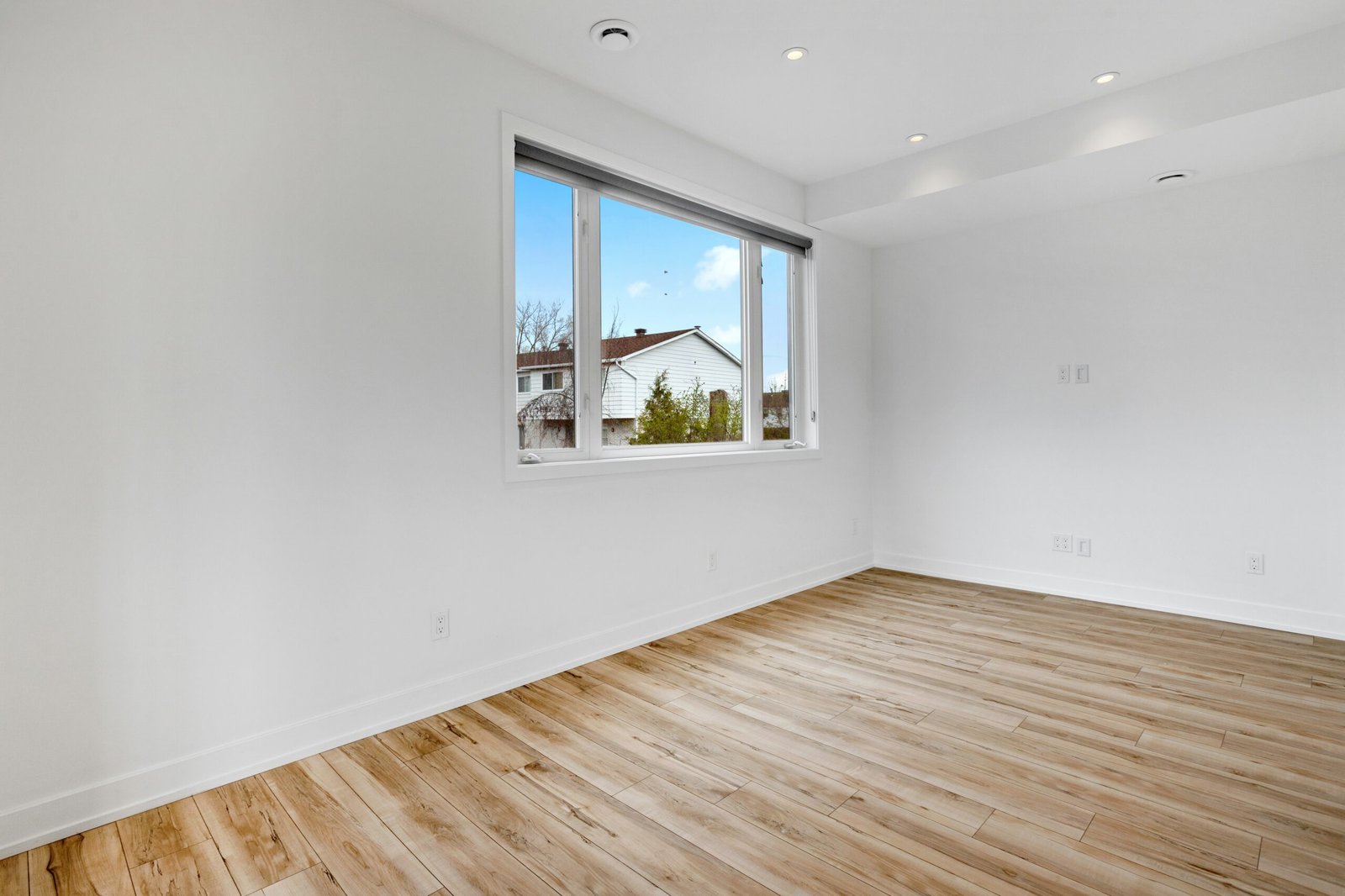
Here’s a gap that catches landlords in transition: most policies restrict or reduce coverage when a property sits vacant beyond a set period — commonly 30 to 60 days. If your rental is empty between tenants, during a renovation, or while it’s listed for sale, tell us. A vacancy permit or vacant-dwelling policy keeps you covered during the gap. Vandalism and undetected water damage love an empty house; your insurance should be ready for that, not voided by it.
Plan on roughly 15–25% more than a homeowners policy on the same house — the price of tenant risk and business liability. Location drives the rest: coastal wind exposure, the home’s age and roof, claims history, and coverage choices. Ways to trim it: a newer or fortified roof, higher deductibles, monitored smoke and water-leak sensors, insuring multiple properties with one carrier, and bundling with your personal home and auto. As an independent agency, we also shop it — and landlord policies vary between carriers as much as any line we write.
We insure long-term rental properties across the greater Savannah area and the Georgia coast, including:
Savannah, Pooler, Garden City, Port Wentworth, Bloomingdale, Thunderbolt, Tybee Island, Vernonburg, Rincon, Springfield, Guyton, Richmond Hill, and Pembroke.
From single-family rentals in Pooler and Port Wentworth to duplexes in Savannah, military-area rentals near Richmond Hill and Hinesville commutes, and workforce housing in Rincon, Guyton, and Springfield, we insure rental properties the way their owners actually run them.
A rental property is a small business, and its insurance should be built like one: the right policy form, liability limits that reflect your assets, loss of rents sized to real market rent, vacancy handled honestly, and — if you’re growing — a structure that scales as you add doors, including scheduling multiple properties and layering an umbrella over the whole portfolio. We do that math with local knowledge of rents, rebuild costs, and coastal risk, and we’re a phone call away when a tenant reports a tree through the roof at 7 a.m.
Not by law, but any mortgage on the property will require appropriate coverage — and no serious investor holds an uninsured asset.
It takes just a few minutes, and there’s no obligation. Tell us about the property — address, condition, rent, and how it’s occupied — and we’ll compare landlord policies from carriers that treat coastal Georgia investors fairly.
Your rental pays you every month. Make sure it’s protected every day.