
An empty house under renovation is, from an insurance company’s point of view, about the riskiest thing a house can be. Nobody’s home to smell smoke or hear water running. Contractors are cutting, torching, and rewiring. Copper and appliances sit in unlocked rooms. And an obviously empty property draws trespassers the way a porch light draws moths.
Which is exactly why your standard homeowners policy quietly backs away from it. Most policies restrict or void key coverages once a home has been vacant for 30 to 60 days — and many exclude major renovation work outright. Plenty of Savannah investors and homeowners have discovered this the hard way: the house burns mid-rehab, and the policy that’s been billing them every month pays nothing.
Vacant renovation insurance exists to close that gap. Here’s how it works and who needs it.
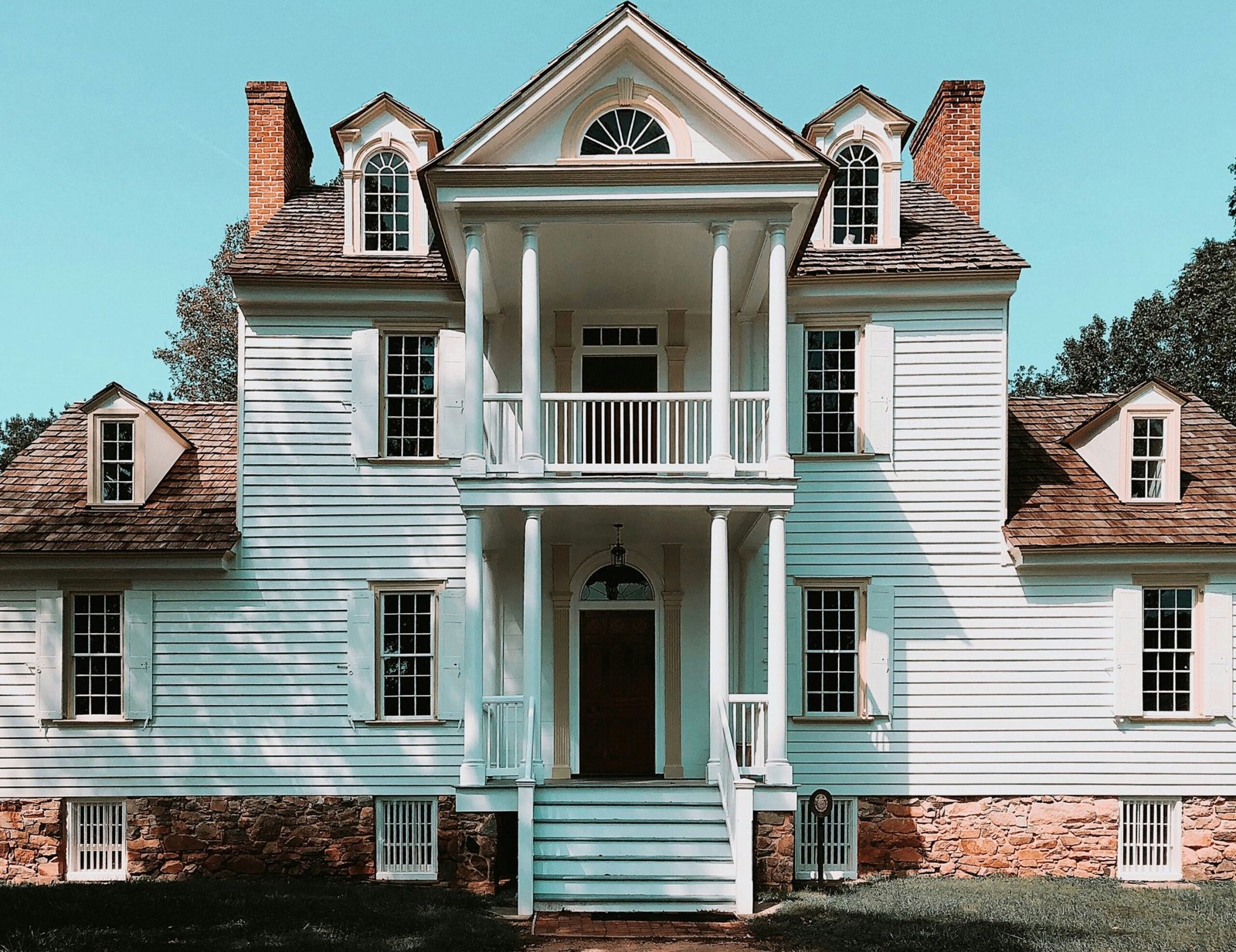
Fire, wind, hail, lightning, and vandalism on a building that's empty and under construction. Fire is the headline risk — hot work, temporary wiring, and sawdust share space on every job site — and it's precisely what standard policies won't touch during vacancy.
Renovation policies (often written as builders risk coverage) can include the value of completed improvements as the project moves along, plus materials on site — cabinets in the garage, lumber in the yard, the tile that hasn't gone in yet. Around here, materials theft is a real number: copper, wire, appliances, and tools walk off unsecured job sites every week.
If someone is hurt on the property — a delivery driver, a curious neighbor, or a trespasser (and yes, injured trespassers sue, and empty houses attract them) — liability coverage responds. This protects you as the owner, separate from any contractor's insurance.
These policies are commonly written for 3, 6, or 12 months to match a project timeline, often with options to extend if the renovation runs long — which, let's be honest, renovations do.
Your general contractor’s liability policy covers damage the contractor causes — and you should absolutely verify their liability and workers’ comp certificates before anyone swings a hammer. But their insurance doesn’t cover your building against fire from an unknown cause, a break-in over the weekend, a lightning strike, or a tropical storm. The property risk is yours, because the property is yours. Owner’s coverage and contractor’s coverage are two different walls of the same fort; you need both standing.
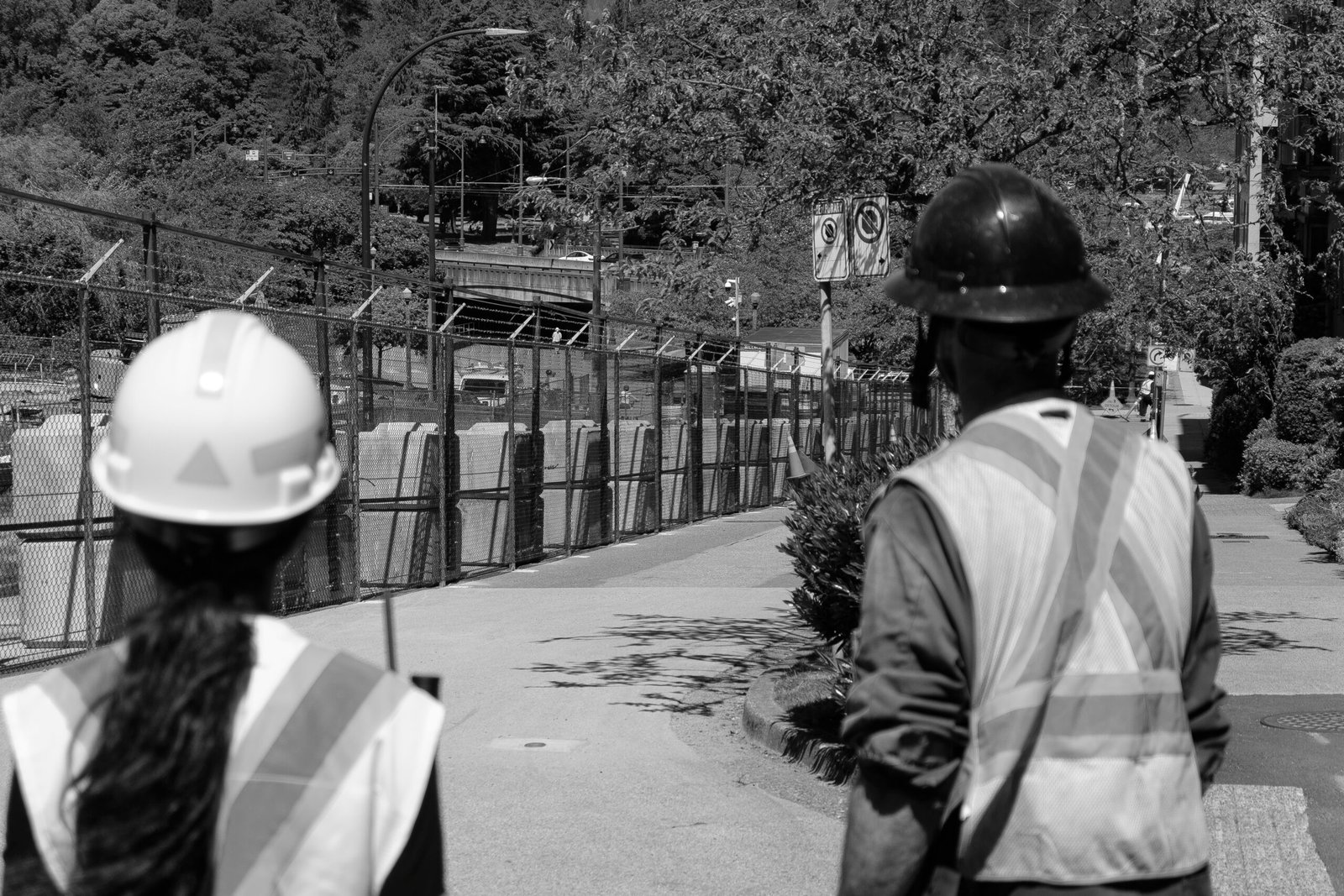
A house mid-renovation is at its most vulnerable exactly when our weather is at its worst. A roof that’s opened up, windows out for replacement, or a structure stripped to studs takes wind and rain badly. Two things to know:

Expect to pay noticeably more than a standard homeowners policy per month of coverage — vacant and renovation risk commonly prices at roughly 1.5 to 3 times owner-occupied rates, depending on the project’s scope, the structure’s age and construction, coastal wind exposure, and security. Ways to keep it reasonable: secure the site (cameras, lighting, locked storage for materials), keep utilities managed sensibly, choose a term that matches your real timeline instead of over-buying, and let us shop it — the vacant/builders risk market varies widely between carriers, and this is a line where independent comparison genuinely pays.

We insure vacant homes and renovation projects across the greater Savannah area and the Georgia coast, including:
Savannah, Pooler, Garden City, Port Wentworth, Bloomingdale, Thunderbolt, Tybee Island, Vernonburg, Rincon, Springfield, Guyton, Richmond Hill, and Pembroke.
From historic rehabs in downtown Savannah to flips in Garden City and Port Wentworth, beach house renovations on Tybee Island, and estate properties sitting empty in Effingham County, we’ll cover the project from demo day to done.
Vacant and renovation coverage is full of judgment calls: whether your project needs a vacant dwelling policy, a builders risk policy, or a renovation endorsement; how improvements and materials get valued; what happens at the transition when the project finishes and the home becomes occupied — or rented — again. That last handoff matters as much as the first: we’ll flip the coverage to the right permanent policy the week your certificate of occupancy lands, so there’s never a gap on either end. One local office, watching the whole timeline.
Generally, no one living there and largely empty of furnishings — and each policy defines it precisely. If your home will be empty more than about 30 days, assume you have a vacancy issue until we confirm otherwise.
It takes just a few minutes, and there’s no obligation. Tell us about the property and the project — scope, timeline, budget, and location — and we’ll build coverage that protects it from demo day to move-in.
Every project has a punch list. Insurance belongs at the top.