
Savannah is one of the busiest short-term rental markets in the Southeast. Millions of visitors come through every year for the Historic District, the food, the ghost tours, St. Patrick’s Day, and the beach at Tybee Island. A steady stream of guests is great for your income. It’s less great for your risk.
Every new booking means new people in your home. People who don’t know that the second stair creaks, that the balcony railing is original to 1890, or that the fire pit isn’t for starter fluid. When something goes wrong in a home you occupy, you deal with it. When it goes wrong in a home a paying stranger occupies, you can get sued for it.
That’s the gap vacation rental insurance is built to close. This guide walks through what short-term rental insurance actually covers, why your homeowners policy probably doesn’t, what makes Savannah different from most markets, and what a policy tends to cost.
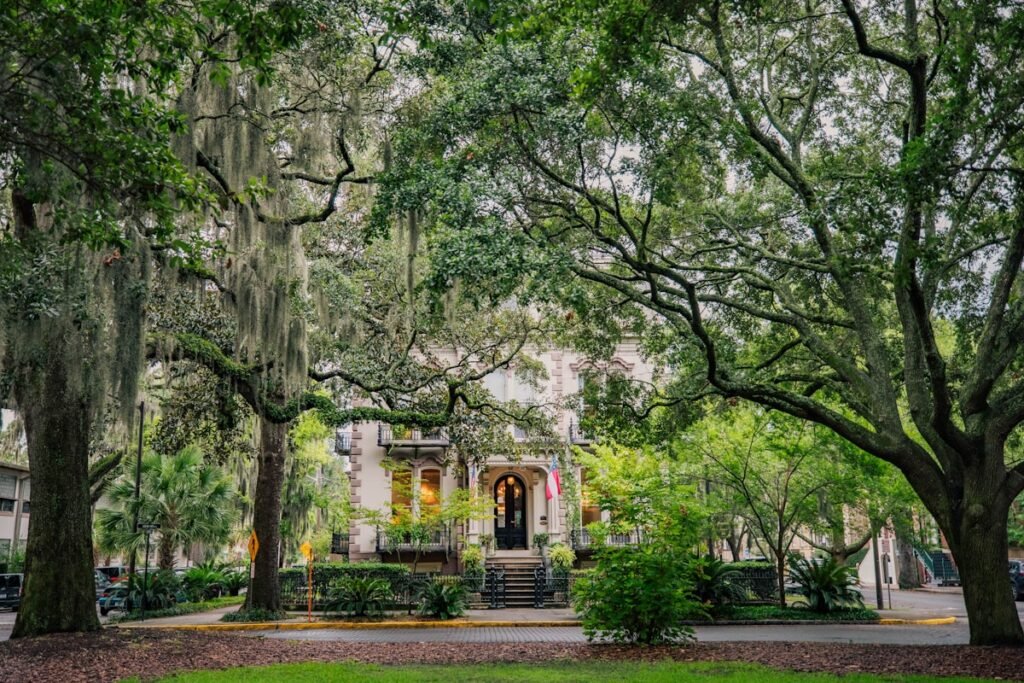
Why your homeowners insurance probably won’t cover a vacation rental
This is the single most common (and most costly) misunderstanding among new hosts. A standard homeowners policy is written for a home you live in. The moment you start renting it to guests for money, most insurers consider that a business activity — and business activity is typically excluded from homeowners coverage.
What does that mean in practice? Say a guest slips on your carriage house stairs and breaks a wrist. You file a liability claim. The insurer investigates, sees the Airbnb listing, and denies it because the injury happened during a commercial rental. Worse, they may cancel or decline to renew the whole policy because you never disclosed the rental use.
A few scenarios where this gap shows up in real life:
- A guest trips on an uneven brick walkway and sues for medical bills and lost wages.
- Guests leave a candle burning and a bedroom catches fire while the house is booked.
- A bachelorette group cracks a claw-foot tub, and water damage spreads to the floor below.
- A dog bite on the property leads to a claim from a guest’s family.
In each case, “but I have homeowners insurance” is likely to be the start of a bad phone call, not the end of one.
What about landlord insurance?
Landlord (or dwelling fire) policies are a step closer, but they’re designed for long-term tenants with a lease — one family, twelve months, low turnover. Most weren’t built for a new set of occupants every two or three nights, and many exclude short-term rental use outright or limit how often you can rent. If you’re hosting on Airbnb or Vrbo more than occasionally, you generally need a policy written specifically for short-term rentals.
What vacation rental insurance actually covers
A true short-term rental policy works a lot like a small business policy for your property. The details vary by carrier, but a well-built policy in Savannah usually includes four core pieces.
1. Property coverage
This protects the building itself — and often other structures like a detached garage, carriage house, or fence — against fire, storms, vandalism, and guest-caused damage. Contents coverage handles the furniture, linens, TVs, and kitchen gear you’ve stocked the place with. If you’ve furnished a rental recently, you know that number adds up faster than you’d think.
2. Liability coverage
This is the piece that protects your personal finances. If a guest is injured on the property and you’re found responsible, liability coverage pays for legal defense, settlements, and medical costs, up to your limit. Many Savannah hosts carry $1 million or more, because injury lawsuits can climb well past the value of the house itself.
3. Loss of rental income
If a covered event — say, a kitchen fire — makes the home unbookable for three months, this coverage replaces the income you would have earned during repairs. For a property that clears several thousand dollars a month in peak season, that’s not a small feature. It’s the difference between an inconvenience and a mortgage problem.
4. Guest-caused damage
Hosts tend to picture wild parties, but the expensive claims are usually quieter: a bathtub left running, a clogged toilet that overflows overnight, a guest who “just tried to fix” the thermostat. Good short-term rental policies treat guest damage as a covered cause of loss rather than something you fight over after checkout.
Doesn’t Airbnb already cover me?
Sort of. And “sort of” is doing a lot of work in that sentence.
Airbnb’s AirCover for Hosts and Vrbo’s liability program do provide some protection, and they’re genuinely useful as a backstop. But they are host protection programs, not insurance policies you own. That distinction matters in a few ways:
- They only apply to platform bookings. A direct booking, a friend-of-a-friend stay, or a repeat guest who texts you to skip the fees? Not covered.
- They come with exclusions and conditions that you don’t control and that can change. Certain damage types, actual cash value instead of replacement cost, and documentation hurdles all come up in real claims.
- They don’t replace lost income the way a proper policy can, and they won’t help with weather-related damage to your building.
- You’re not the policyholder. You can’t call your own agent, and you have no say in how a claim is handled.
The short version: treat platform protection as a bonus layer, not your foundation. Your foundation should be a short-term rental insurance policy with your name on it.
What makes insuring a vacation rental in Savannah different
Savannah isn’t a generic market, and it shouldn’t be insured like one. A few local factors shape both your risk and your policy.
Coastal weather, hurricanes, and flood risk
Chatham County sits on the Georgia coast, which means hurricane season is a real planning item, not an abstraction. Two things every local host should understand:
- Wind deductibles. Coastal policies often carry a separate hurricane or wind/hail deductible, typically a percentage of your dwelling coverage rather than a flat dollar amount. On a $500,000 home, a 2% wind deductible is $10,000 out of pocket. Know your number before a storm is named, not after.
- Flood insurance is separate. Standard property policies — homeowners and short-term rental alike — exclude flood damage. If your rental is near the river, in a low-lying square, or anywhere on Tybee, a separate flood policy through the NFIP or a private flood carrier is worth a serious look. Storm surge and heavy-rain flooding are exactly the losses that surprise owners the most.
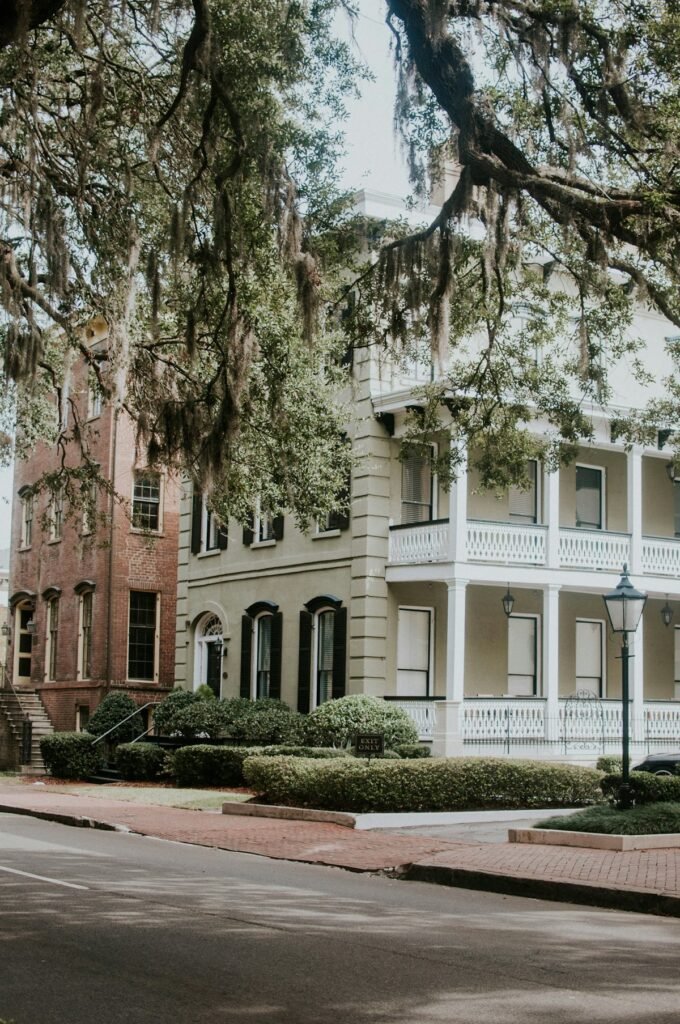
Historic homes cost more to rebuild than you think
A lot of Savannah rentals are older homes in or around the Historic District. Original plaster, heart pine floors, ironwork, and period detail are exactly why guests book them — and exactly why rebuilding after a major loss can cost far more per square foot than new construction. Make sure your dwelling limit reflects a realistic replacement cost for the actual house, and ask about ordinance or law coverage, which helps pay the extra cost of rebuilding to current building codes. On an older structure, that gap can be enormous.
City rules for short-term vacation rentals
The City of Savannah regulates short-term vacation rentals (STVRs), including certificate requirements and location restrictions that limit where non-owner-occupied rentals can operate, particularly in parts of the Historic District. Rules change, so verify current requirements with the city directly. From an insurance standpoint, the key point is simple: run the rental legally and disclose exactly how the property is used. An unpermitted or misrepresented rental gives an insurer an easy reason to fight a claim you desperately need paid.
High turnover, event weekends, and amenity risk
St. Patrick’s Day in Savannah is one of the biggest celebrations in the country, and event weekends bring larger groups, more alcohol, and more wear on the property. Add common amenities — hot tubs, balconies, fire pits, bicycles, golf carts near the beach — and your liability picture is very different from a quiet annual rental. Mention every amenity to your agent. It’s far better to price it in now than to discover it was excluded later.
How much does vacation rental insurance cost in Savannah?
There’s no single answer, because the policy is priced on your specific property, but most short-term rental policies in coastal Georgia land somewhere between roughly one and a half to three times the cost of a comparable homeowners policy. The main pricing factors:
- Location and flood zone — a Tybee beach house and a Starland District bungalow are very different risks.
- Replacement cost of the home, especially for historic construction.
- Rental activity — occasional hosting versus a full-time, professionally managed rental.
- Amenities like pools, hot tubs, and balconies.
- Liability limits and deductibles you choose, including the wind deductible.
- Claims history and the age of the roof, wiring, and plumbing.
Here’s the useful way to think about the premium: it’s a business expense on a revenue-producing property, and it’s usually tax-deductible for a rental (confirm the details with your tax professional). Compare it to one bad liability claim or one uncovered month of storm repairs, and the math tends to settle itself.
How to choose the right policy: questions worth asking
When you compare short-term rental insurance quotes, don’t just line up premiums. Ask each carrier or agent:
- Is this policy specifically written for short-term rentals, or is it a homeowners or landlord policy with an endorsement?
- Does it cover the property when it’s vacant between bookings, when guests are in it, and if I stay there myself part of the year?
- How is guest-caused damage handled — theft, vandalism, and accidental damage?
- What are my wind/hurricane deductible and my standard deductible, in actual dollars?
- Is loss of rental income included, and for how long?
- Are my hot tub, balcony, fire pit, or bikes covered — or excluded?
- Do I need separate flood coverage for this address?
- Is replacement cost based on realistic rebuild pricing for a historic home?
If an agent can answer those quickly and specifically, you’re in good hands. If the answers are vague, keep shopping.
A quick word on umbrella policies
If your rental is successful, your personal assets grow — and so does the incentive for someone to sue you. A personal or commercial umbrella policy adds an extra layer of liability protection (often $1 million or more) above your rental policy’s limits, usually for a modest premium. For hosts with multiple properties or significant equity, it’s one of the cheapest kinds of peace of mind you can buy.
The bottom line for Savannah hosts
Vacation rental insurance in Savannah comes down to three ideas. First, a homeowners policy and a short-term rental are a bad match, and the mismatch only shows up when you can least afford it. Second, platform protection from Airbnb or Vrbo is a supplement, not a strategy. Third, Savannah’s coastal weather, historic housing stock, and STVR rules make local knowledge genuinely valuable — a policy that works fine in Atlanta can leave real gaps here.
The good news: getting this right is not complicated. It’s one conversation with someone who insures these properties every day, a policy matched to how your rental actually operates, and a review once a year as your rates and rules change.
Get a vacation rental insurance quote
Tell us about your Savannah property and how you host, and we’ll put together short-term rental coverage that fits it — flood, wind, liability, and all.Get My Free Quote
This article is for general information only and isn’t insurance, legal, or tax advice. Coverage terms vary by carrier and policy — always confirm details with a licensed agent, and verify current short-term rental requirements with the City of Savannah.