
If you drive for work in Savannah, there’s a question worth asking before your next trip across town: would your auto insurance actually pay out if something went wrong?
For a lot of local business owners, the honest answer is no. Personal auto policies are written for commuting, errands, and weekend trips. The moment a vehicle is used for business, that coverage can fall apart, and it usually happens at the worst possible time, right after an accident.
Commercial auto insurance exists to close that gap. In this guide, we’ll walk through who actually needs commercial auto insurance in Savannah, GA, what Georgia law requires, what a policy covers, and what it’s likely to cost. No jargon, no scare tactics. Just the information you need to make a smart call for your business.
What Is Commercial Auto Insurance, Exactly?
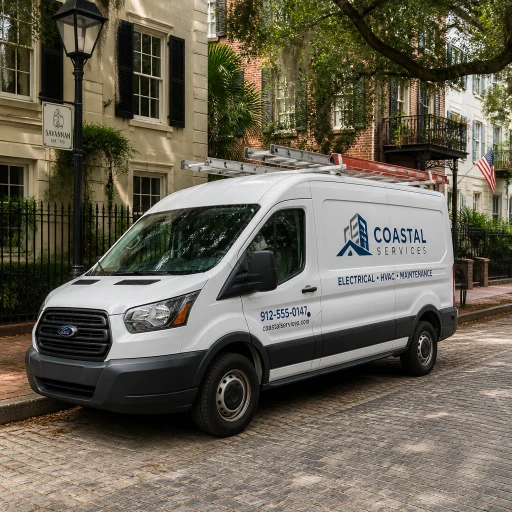
Commercial auto insurance (sometimes called business auto insurance or commercial vehicle insurance) covers vehicles that are used for work. That includes cars, pickups, vans, box trucks, and specialty vehicles owned by a business, and in some cases, vehicles owned by employees but driven for company purposes.
On the surface, it looks a lot like a personal policy. It includes liability coverage if you injure someone or damage their property, plus optional coverage for your own vehicle. The difference is in the details. Commercial policies carry higher liability limits, cover multiple drivers, protect business equipment, and are built for the risks that come with driving as part of the job.
That last part matters more than people realize. Work vehicles spend more hours on the road, often carry tools, cargo, or passengers, and are frequently driven by employees rather than the owner. Insurers price and structure personal policies with none of that in mind, which is exactly why they exclude business use.
Personal vs. Commercial: Where the Line Actually Falls
Here’s the rule of thumb most agents in Georgia use: if the driving generates income, it’s business use.
Driving to your office every morning? That’s commuting, and your personal policy handles it fine. Driving to a client’s home in Ardsley Park to give an estimate, hauling lumber to a job site in Pooler, or delivering catering orders downtown? That’s business use, and your personal insurer can deny a claim tied to it.
People are often surprised by how strict this can be. It doesn’t matter that the van is registered in your name instead of your LLC’s. It doesn’t matter that you only make deliveries two days a week. If the insurer investigates a claim and finds the vehicle was being used for work, they can refuse to pay, and in some cases cancel the policy altogether.
Now imagine that happening after a serious accident on the Truman Parkway. You’d be personally responsible for the other driver’s medical bills, their vehicle, your vehicle, and possibly a lawsuit. For a small business, that’s not a setback. That can be the end.
Who Needs Commercial Auto Insurance in Savannah?
Savannah runs on small businesses and working vehicles. Between the port, the tourism economy, and the construction boom stretching from Richmond Hill to Rincon, there are thousands of vehicles on local roads every day doing some kind of paid work. Here’s who should have a commercial auto policy in place.
Contractors and construction trades
Electricians, plumbers, HVAC techs, roofers, painters, framers. If you’re driving a truck loaded with tools and materials between job sites, you need commercial coverage. Many general contractors and commercial property managers in the Savannah area won’t even let a sub on site without proof of it. A commercial policy also lets you add coverage for the tools and equipment riding in the bed of your truck, which a personal policy won’t touch.
Delivery and courier services
Anyone delivering goods for pay needs commercial auto insurance, full stop. That includes local couriers, medical supply delivery, florists, appliance installers, and restaurants running their own delivery vehicles. Delivery driving is one of the highest-risk categories on the road because of the stop-and-go pattern and time pressure, and it’s one of the first things personal insurers exclude.
Landscapers and lawn care companies
A pickup pulling a trailer full of mowers is a textbook commercial risk. The trailer alone changes your liability picture, and if an employee is behind the wheel, you have two more reasons a personal policy won’t work. Landscaping crews moving between properties in Georgetown, Skidaway Island, and Wilmington Island all day are exactly who this coverage was designed for.
Food trucks and caterers
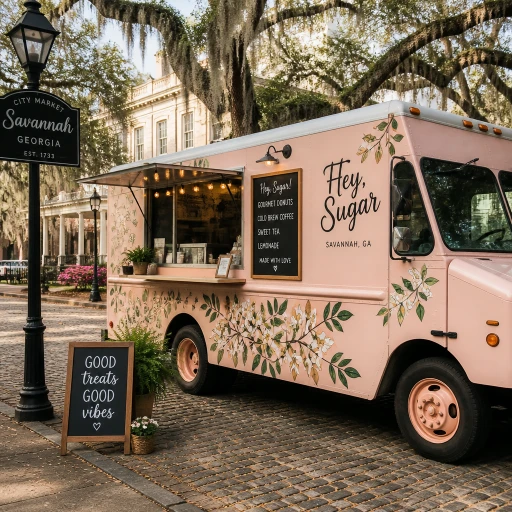
Savannah’s food truck scene has grown fast, and a food truck is both a vehicle and a business in one. Commercial auto covers the driving risk, and it can be paired with coverage for the cooking equipment and inventory inside. Caterers using vans to transport food and staff to events fall in the same category.
Trucking, hauling, and port-related work
The Port of Savannah is one of the busiest container ports in the country, and it feeds a huge local ecosystem of drayage drivers, owner-operators, box truck businesses, and freight haulers. Commercial truck insurance is its own specialized world, with federal filing requirements and much higher liability minimums, especially for trucks crossing state lines. If you haul freight, this isn’t optional. You can’t legally operate without it.
Real estate agents, sales reps, and mobile professionals
This one catches people off guard. If you regularly drive clients to showings or spend your week driving between appointments, your car is a business tool. Some personal policies tolerate light business use with an endorsement; many don’t. It’s worth a five-minute conversation with an agent to find out where you stand before a claim forces the issue.
Home service businesses
Cleaning companies, pest control, mobile detailing, pet grooming vans, pressure washing. Anyone whose business travels to the customer needs commercial vehicle insurance. If your company name is wrapped on the side of the van, assume your personal insurer would consider it a business vehicle, because they will.
What about rideshare and food delivery apps? Driving for Uber, Lyft, DoorDash, or Instacart sits in a gray zone. The apps provide some coverage while you’re on an active trip, but there are gaps, especially while you’re waiting for a request. Most drivers need a rideshare endorsement or a commercial policy to be fully covered. If you drive for an app in Savannah, ask an agent to walk you through where the app’s coverage ends and yours needs to begin.
What If Employees Drive Their Own Cars for Work?
Here’s a risk many Savannah business owners don’t see coming. Say your office manager runs to the bank in her own car and rear-ends someone on Abercorn. Her personal insurance responds first, but if the injuries are serious, the injured party’s attorney will look at who she was driving for. Your business can be pulled into the claim even though you don’t own the car.
The fix is called hired and non-owned auto coverage. It protects your business when employees use personal vehicles for work errands, or when you rent or borrow vehicles. It’s inexpensive, it’s often added to a business owner’s policy, and for any company whose staff ever runs a work errand, it’s one of the smartest few hundred dollars you can spend.
What Does Georgia Require?
Georgia requires every vehicle on the road to carry minimum liability insurance: $25,000 per person and $50,000 per accident for bodily injury, and $25,000 for property damage. Commercial vehicles must meet at least these same minimums, and depending on the vehicle type, weight, and what it hauls, state and federal rules can push the required limits much higher. For-hire trucking that crosses state lines, for example, falls under federal DOT requirements with liability minimums in the hundreds of thousands of dollars.
But here’s the thing about minimums: they’re a floor, not a recommendation. A serious injury accident can blow past $50,000 in a single emergency room visit. That’s why most commercial auto policies in Georgia are written with a combined single limit of $500,000 or $1,000,000, and why many contracts, from general contractors to commercial landlords, require proof of $1 million in liability before you can do the work.
What Commercial Auto Insurance Covers
A commercial auto policy is built from a handful of parts, and you can tailor them to fit how your business actually operates:
- Liability coverage pays for injuries and property damage you cause to others, plus your legal defense. This is the core of the policy and the part Georgia law requires.
- Collision coverage repairs or replaces your vehicle after an accident, regardless of fault.
- Comprehensive coverage handles everything else that can happen to a vehicle: theft, vandalism, fire, falling branches, and the flooding that coastal Georgia knows all too well during hurricane season.
- Uninsured and underinsured motorist coverage protects you when the other driver has little or no insurance, which happens more often than anyone would like.
- Medical payments coverage helps with medical bills for you and your passengers after an accident.
- Hired and non-owned auto covers rented vehicles and employee-owned vehicles used for business.
You can also add coverage for permanently attached equipment, trailers, roadside assistance, and rental reimbursement so a breakdown doesn’t take your business off the road while repairs happen.
How Much Does Commercial Auto Insurance Cost in Savannah?
It depends on more factors than a personal policy, which is honestly good news, because it means the price reflects your actual business rather than a broad average. Insurers look at:
- What kind of vehicles you run, and how many
- What you use them for (a sales rep’s sedan costs far less to insure than a dump truck)
- Your drivers’ records and experience
- How far and how often the vehicles travel
- The liability limits and deductibles you choose
- Your claims history
As a rough guide, many small businesses pay somewhere between $100 and $300 per month per vehicle for standard commercial auto coverage, while heavy trucks and high-risk operations pay considerably more. Clean driving records, higher deductibles, bundling with a business owner’s policy, and paying annually can all bring the number down.
The cheapest policy isn’t automatically the right one, though. A bare-minimum policy that leaves you exposed to a six-figure judgment isn’t a deal. It’s a delay.
How to Get the Right Policy (Without the Headache)
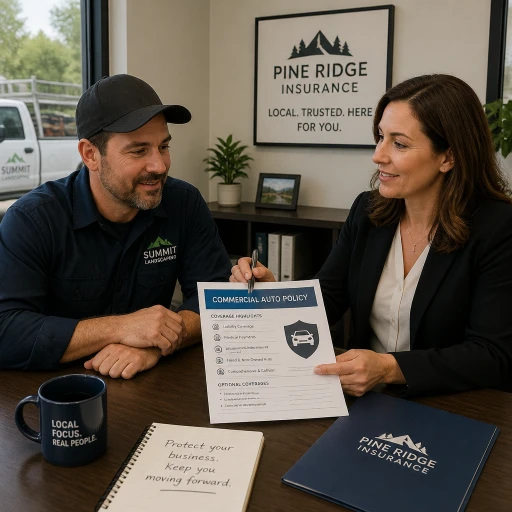
Start with an honest picture of how your vehicles are used. Who drives them, where they go, what they carry, and what contracts require. Then talk to an independent agent who knows the Savannah market. Because independent agents work with multiple insurance companies, they can compare commercial auto insurance quotes side by side and match you with a carrier that actually wants your type of business, which usually means better pricing and fewer surprises.
A good local agent will also flag the things online quote forms miss: whether you need hired and non-owned coverage, whether your contracts require additional insured endorsements or certificates of insurance, and whether your limits actually match the risk you’re carrying down Highway 80 every day.
The Bottom Line
If a vehicle helps your Savannah business make money, whether it’s a fleet of box trucks or one well-traveled pickup, it needs commercial auto insurance. Georgia law sets the floor, your contracts often set the real requirement, and your own risk tolerance should fill in the rest. The gap between a personal policy and business use is exactly where businesses get hurt, and it’s entirely avoidable.
The good news: getting covered is fast, and it costs nothing to find out where you stand.
Ready to protect your business on the road?
Get a fast, no-obligation commercial auto insurance quote from a local Savannah agency.Get Your Free Quote