
Ask ten Savannah homeowners if they have hurricane insurance and most will say yes. Ask them what their hurricane deductible is, or whether their policy covers storm surge, and the room gets quiet. That gap between “I think I’m covered” and “I know exactly what happens after a storm” is where financial disasters happen — and in Chatham County, it’s a gap worth closing now, not in September when a cone appears on the news.
This guide walks through how hurricane insurance in Savannah, GA really works: what your homeowners policy does and doesn’t cover, how hurricane deductibles are calculated, why flood insurance is the piece most people skip, and when you need to act. No scare tactics, just the details that matter when the wind starts blowing.
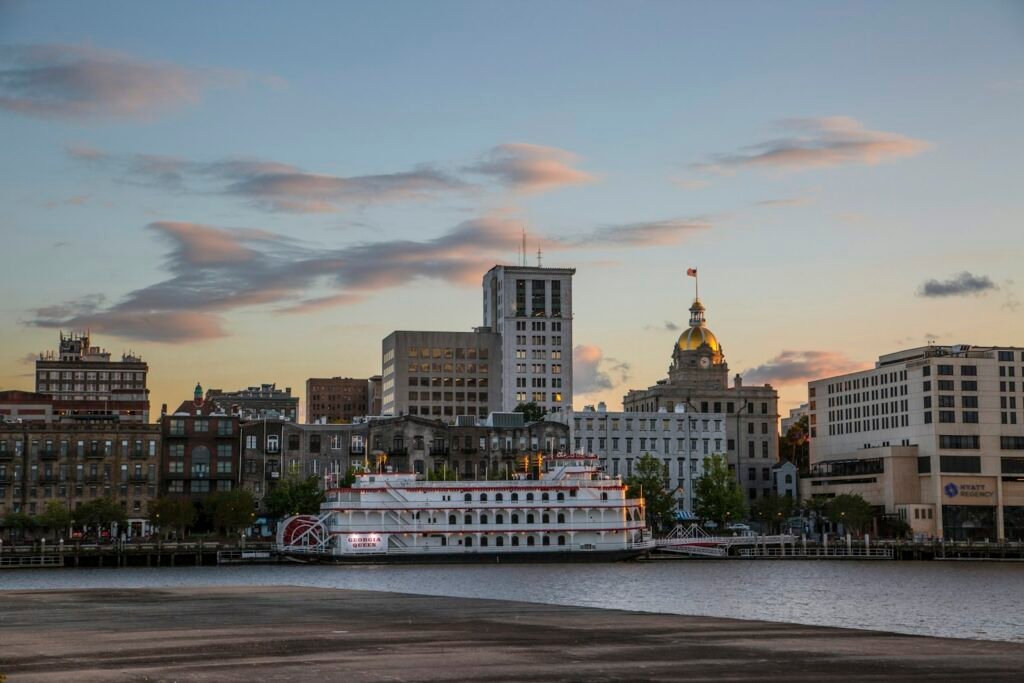
Savannah’s Hurricane Risk Is Bigger Than It Feels
Savannah has a reputation as a “lucky” city. Storms curve away, Tybee takes the brunt, and life goes on. That reputation is only half-earned, and recent history proves it.
In October 2016, Hurricane Matthew skirted the Georgia coast and forced the first major evacuation of Savannah in decades. Even without a direct hit, the storm toppled thousands of the live oaks the city is famous for, tore roofs open, knocked out power for days, and left cleanup crews working for months. Less than a year later, Tropical Storm Irma — a hurricane just days earlier — pushed record-level storm surge into Tybee Island and the marsh-front neighborhoods around Savannah. Two damaging storms, back to back, in a city that “never gets hit.”
Geography explains why. Savannah sits on a tidal river, surrounded by marsh, only a few feet above sea level in many neighborhoods. A hurricane doesn’t need to make landfall on River Street to cause serious damage here. Wind fields extend far from a storm’s center, rain bands can drop a foot of water, and surge funnels up the rivers and creeks that wind through Chatham County. Neighborhoods from Isle of Hope to Wilmington Island to Georgetown all carry meaningful exposure — and so do plenty of homes well inland of the marsh.
Insurance companies know all of this, which is exactly why coverage on the coast comes with special rules. Understanding those rules is the whole game.
There’s No Single “Hurricane Insurance” Policy — It’s Three Pieces
Here’s the thing that surprises most people: in Georgia, you can’t walk into an agency and buy one policy called “hurricane insurance.” What people mean by that phrase is really a combination of coverages that, together, protect you from everything a hurricane can do. There are three pieces.
First, wind coverage. Most standard homeowners insurance policies in Georgia cover wind damage, including hurricane wind. If gusts peel back your shingles, drop an oak limb through your roof, or drive rain into the house through a wind-created opening, your homeowners policy generally responds. On the coast, though, that wind coverage often comes with its own separate deductible — more on that in a moment, because it’s the detail that shocks people at claim time.
Second, flood coverage. This is the piece your homeowners policy does not include. Storm surge, rising creek water, rain that pools and pushes in under the door — all of that counts as flood, and flood requires its own policy, either through the National Flood Insurance Program (NFIP) or a private flood insurer.
Third, coverage for everything around the house. Cars damaged by wind or flooding fall under the comprehensive portion of your auto policy. Boats, docks, golf carts, and detached workshops each have their own rules. A complete hurricane plan accounts for all of it.
When someone in Savannah says they “have hurricane insurance,” the honest question is: which of the three pieces do you actually have?
The Hurricane Deductible: The Fine Print That Costs Thousands
On most insurance policies, your deductible is a flat number. You know it: $1,000, maybe $2,500. Coastal Georgia works differently. Many homeowners policies in Savannah carry a separate hurricane or windstorm deductible, and it’s usually written as a percentage of your dwelling coverage — commonly somewhere between 1% and 5%.
Run the math on a real house and the difference becomes vivid. Say your home is insured for $400,000 and your policy has a 2% hurricane deductible. If a named storm damages your roof, you’re responsible for the first $8,000 of repairs — not the $1,000 you might have assumed. At 5%, that’s $20,000 out of pocket before your insurance pays a dime.
Quick example
A $400,000 home with a 2% hurricane deductible means $8,000 out of pocket after a named storm. The same home with a flat $1,000 deductible for a regular thunderstorm claim pays just that — $1,000. Same roof, very different bill, depending on what the weather service called the storm.
None of this makes a percentage deductible a bad deal — it’s often the trade-off that keeps coastal premiums manageable. But it should never be a surprise. When you review your policy, find the deductible page and ask two questions: what percentage applies to hurricanes, and what events trigger it? Some policies apply the special deductible only when the National Weather Service names a storm; others use broader windstorm language. Knowing your number lets you plan for it — and if the number keeps you up at night, an independent agent can often find a carrier offering a lower percentage or a flat wind deductible.
Flood Insurance: The Gap That Sinks Savannah Homeowners
If there’s one takeaway from this article, make it this: homeowners insurance does not cover flooding, and flooding is how hurricanes do much of their damage in Savannah.
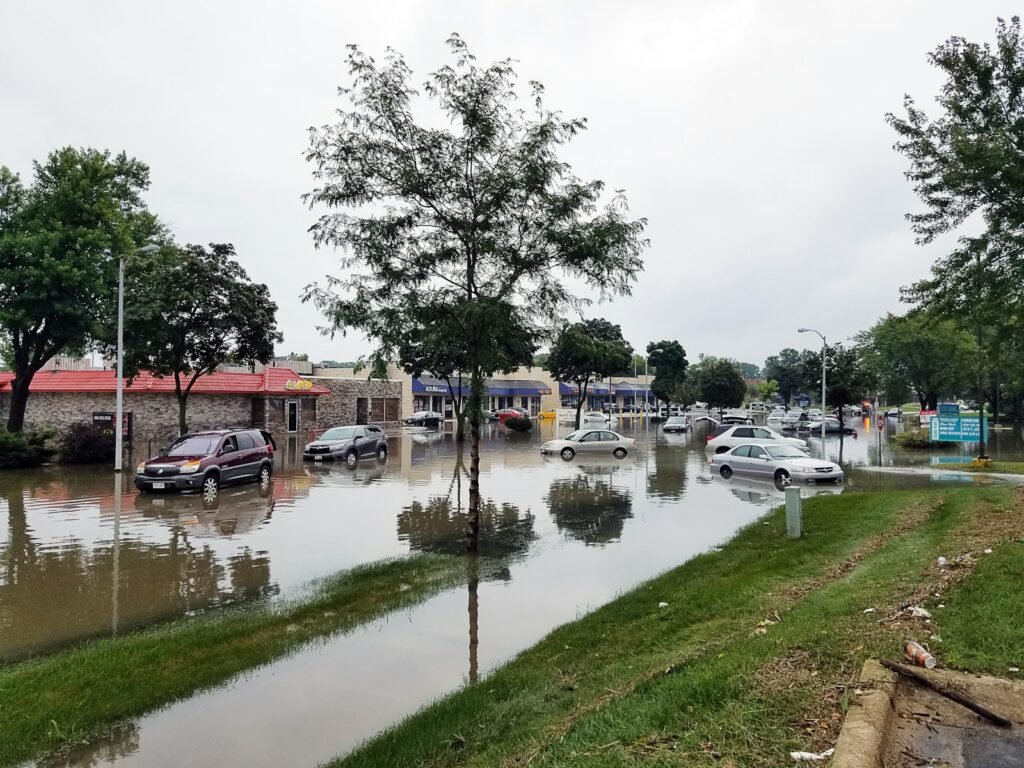
Storm surge is the obvious threat. When Irma pushed water over Tybee and up the Wilmington and Bull rivers, homes flooded that had never flooded before. But surge isn’t the only culprit. A slow, rain-heavy storm can drop ten or fifteen inches on Chatham County, and our flat, low terrain doesn’t drain fast. Water that rises from the ground and enters your home is a flood claim — even if a hurricane caused the rain — and without a flood policy, that claim gets denied.
Two myths keep Savannah homeowners underinsured here. The first: “I’m not in a flood zone, so I don’t need it.” Technically, everyone is in a flood zone — some zones are just rated lower risk. FEMA data has long shown that a large share of flood claims come from properties outside high-risk zones, because rain doesn’t read maps. If your lender doesn’t require flood insurance, that’s a statement about your mortgage, not about your actual risk.
The second myth: “I can add it later if a storm’s coming.” You can’t. NFIP flood policies typically carry a 30-day waiting period before coverage takes effect. By the time a storm is on the map, the window has closed. Flood insurance is a decision you make on a sunny day.
The good news is that flood coverage in moderate- and low-risk parts of Savannah is often surprisingly affordable — frequently a few hundred to several hundred dollars a year, depending on the property. And in recent years, private flood insurers have entered the Georgia market with competitive options, sometimes offering higher limits or better contents coverage than the NFIP. It’s worth quoting both.
What Does Hurricane Coverage Cost in Savannah?
Costs vary widely because the risk varies widely — a raised house in Ardsley Park and a slab-on-grade home near the marsh on Whitemarsh Island are very different propositions to an insurer. That said, a few factors consistently drive what you’ll pay for hurricane-related coverage on the Georgia coast.
Location and elevation matter most. Distance from the water, your flood zone rating, and your home’s elevation relative to base flood levels all move the needle. The house itself matters too: roof age and shape, construction type, and wind-mitigation features like hurricane straps, impact-rated windows, and a sealed roof deck can meaningfully lower premiums. A newer roof alone is one of the most effective discounts available to coastal homeowners — if you’ve replaced yours recently, make sure your insurer knows.
Your deductible choices shape the price as well. Accepting a higher hurricane deductible lowers your premium; buying it down raises it. Neither answer is universally right. The right structure depends on your savings, your mortgage, and how much roof you have over your head. This is exactly the kind of trade-off worth talking through with a local independent agent who can compare multiple carriers side by side, rather than accepting whatever one company’s default happens to be.
One more cost note: going without coverage is the most expensive option of all. After Matthew, plenty of Savannah families paid for tree removal, roof repairs, and weeks of hotel stays entirely out of pocket — expenses that the right policy structure would have absorbed.
Coverage Gaps Savannah Homeowners Miss
Beyond wind and flood, a handful of quieter gaps show up again and again after coastal storms.
Loss of use. If a storm makes your home unlivable, additional living expenses (ALE) coverage pays for temporary housing and the extra costs of displacement. After a major hurricane, repairs can take months and local rentals get scarce and pricey. Check your ALE limit — a low one runs out fast.
Contents, at the right valuation. Replacement-cost coverage buys you a new sofa; actual-cash-value coverage buys you what your ten-year-old sofa was worth, which is not much. After a storm strips a room down to the studs, the difference is enormous. Flood policies deserve the same scrutiny, since NFIP contents coverage is optional and works differently than most people expect.
Detached structures and toys. Sheds, fences, docks, pool enclosures, boats, and golf carts each sit in their own corner of the insurance world. A dock on the Herb River, for instance, usually isn’t covered the way your house is. If it matters to you financially, ask how it’s covered by name.
Ordinance and law coverage. Older Savannah homes are part of the city’s charm, but if a storm destroys forty percent of a 1940s bungalow, rebuilding to today’s codes — elevation requirements included — costs more than restoring what was there. Ordinance coverage pays for that difference. On historic and older homes, it’s not optional in any practical sense.
Timing Matters: You Can’t Buy Coverage When a Storm Is Coming
Insurance carriers watch the tropics just like you do. Once a named storm threatens the Georgia coast, most companies impose binding restrictions — a freeze on new policies and coverage changes until the threat passes. Combine that with the NFIP’s 30-day flood waiting period, and the message is simple: the time to fix your coverage is before hurricane season heats up, not the week a forecast cone touches Savannah.
Atlantic hurricane season runs June 1 through November 30, with the peak for the Georgia coast typically arriving in late August through October. A smart annual rhythm looks like this: review your policy each spring, confirm your hurricane deductible and flood coverage, photograph your home and belongings for a simple inventory, and keep your policy documents somewhere you can reach them if you evacuate. Thirty minutes of preparation in April beats thirty days of regret in October.
The Bottom Line for Savannah Homeowners
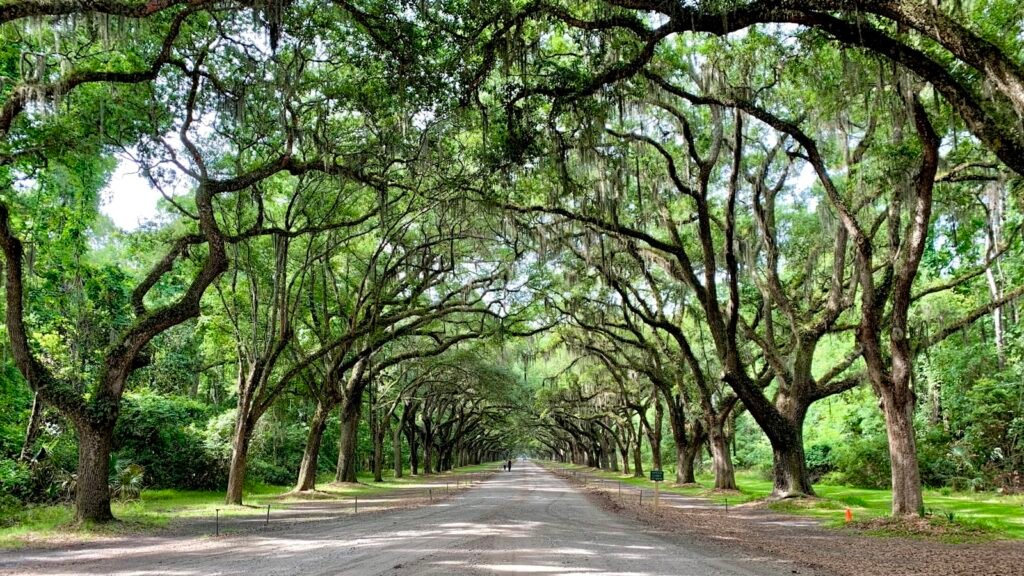
Living in Savannah means accepting a simple trade: one of the most beautiful coastal cities in America, in exchange for a real, recurring hurricane risk. You can’t control the weather, but you can control whether a storm becomes a financial catastrophe. That comes down to four things: know your hurricane deductible in dollars, not percentages; carry flood insurance even if your lender doesn’t demand it; close the quieter gaps like loss of use and ordinance coverage; and get it all done before a storm has a name.
You don’t have to sort this out alone, either. A local independent agency can review what you have, show you what it would actually pay after a storm, and shop multiple carriers to fix the gaps — usually in a single conversation.
Find Out What Your Home Is Really Protected Against
Get a free, no-pressure hurricane insurance review and quote from a local agency that knows the Savannah coast. It takes a few minutes now — and it could save you tens of thousands after the next storm.Get My Hurricane Insurance Quote